Snake Plant Dracaena trifasciata
How Often to Water Your Snake Plant: Indoor & Seasonal Guide
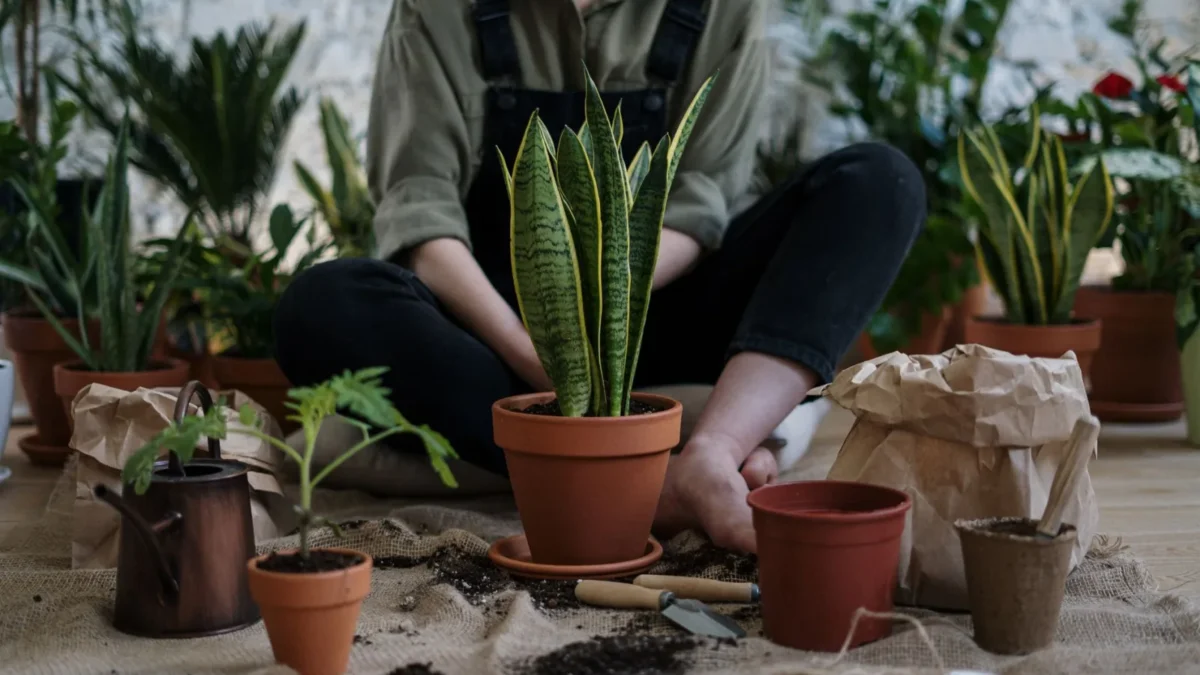
Quick answer: Water your snake plant only when the soil is completely dry from top to bottom. In spring and summer, this means every 2 to 4 weeks; in winter, every 6 to 8 weeks.
| Botanical name | Dracaena trifasciata |
|---|---|
| Light | Moderate to bright indirect light; tolerates low light; 2-6 hours direct sun |
| Watering | Water when soil is 100% dry; every 2-4 weeks spring/summer, 6-8 weeks winter |
| Humidity | Average room humidity is ideal; no misting needed |
| Temperature | Thrives 70-90°F (21-32°C); tolerates around 50°F |
| Soil | Well-draining potting mix; potting soil, perlite, and sand mixture |
| Feeding | Once every two months during summer/growing periods; 2-3 times yearly |
| Difficulty | easy |
| Cats | ⚠️ toxic — Saponins cause nausea, vomiting, diarrhea in cats |
| Dogs | ⚠️ toxic — Saponins cause nausea, vomiting, diarrhea in cats |
How Often to Water Snake Plant Indoors
The key to snake plant care is patience—this plant prefers drought to dampness. Check the soil before each watering: insert your finger 2 inches deep into the potting mix. If it feels even slightly moist, wait another few days. Only water when you’re certain the soil is 100% dry throughout the entire pot.
Once you water, do it thoroughly. Water the soil until liquid drains from the bottom drainage holes, then stop. Never let water collect in the center where the leaves cup together; this trapped moisture causes rot and mushy stems.
Seasonal Watering Schedule
Snake plants need less water as growth slows in cooler months:
- Spring (Mar–May): Water every 14–21 days when the top 2 inches are fully dry
- Summer (Jun–Aug): Water every 10–14 days with the top 2 inches dry
- Fall (Sep–Nov): Water every 21–28 days when the top 3 inches are dry
- Winter (Dec–Feb): Water every 35–45 days with the full pot nearly dry
These intervals assume average indoor conditions. If your home is very warm or your plant sits near a heating vent, soil may dry faster. If it’s cool and humid, soil dries more slowly.
Signs You’re Watering Wrong
Too much water: Yellowing leaves starting at the base are the first sign of overwatering. The leaves feel soft or mushy instead of firm and rigid. Root rot develops in waterlogged soil; healthy roots are white or yellow, but rotting roots turn dark brown and feel squishy.
Too little water: Curled leaves often mean the plant is thirsty—the leaf collapses inward as water reserves deplete. If underwatering is the issue, increase frequency slightly and ensure the potting mix drains well.
Soil and Drainage Matter
Snake plants need well-draining soil to stay healthy. A mix of regular potting soil, perlite, and sand works well. Use a pot with drainage holes; soil that stays wet even after a week means either you’re overwatering or your soil drains too slowly.
FAQ
Do I need to mist my snake plant?
No. Average room humidity is ideal for snake plants, and misting is unnecessary.
What temperature affects watering frequency?
Snake plants thrive between 70–90°F (21–32°C). Warmer temperatures speed up evaporation, so you may water slightly more often in summer heat. Cold conditions slow soil drying, so winter intervals naturally lengthen.
Can I water my outdoor snake plant the same way?
If grown outdoors, the same rule applies: water only when soil is fully dry. Outdoor plants may dry faster depending on climate and sun exposure, so check soil more frequently during hot, dry weather.
Read the full guide: Snake Plant Care: The Complete Guide
More about Snake Plant
The same problem in other plants
- How Often Should You Water Heartleaf Philodendron?
- How Often Should You Water Fiddle Leaf Fig?
- How Often Should You Water a ZZ Plant?
- How Often Should You Water Pothos?
Sources
- Snake Plant Watering: How Often to Water & Saving Mushy Roots
- Dracaena Trifasciata: Care and Growing Guide
- 5 Symptoms of Overwatered Snake Plants
Photo: cottonbro studio / Pexels, Pexels