Chinese Evergreen Aglaonema
How to Propagate Chinese Evergreen: Water and Soil Methods
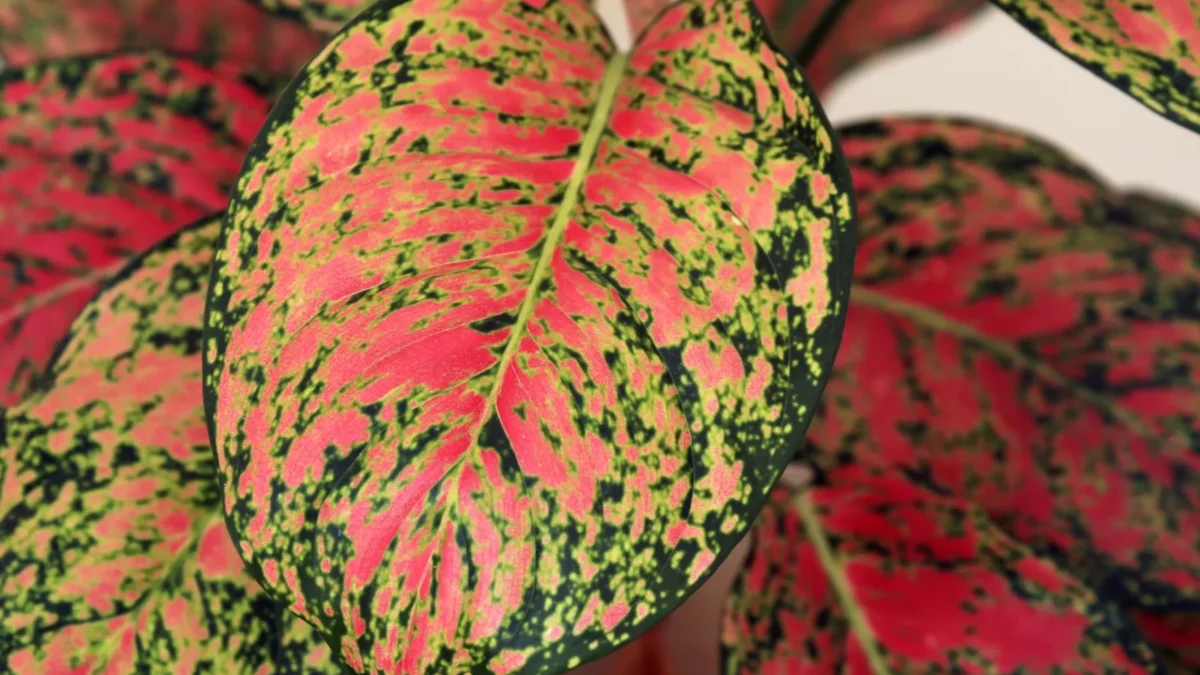
Quick answer: Chinese Evergreen propagates easily from stem cuttings with at least one node. You can root cuttings in water (typically 2–4 weeks) or directly in soil for the highest survival rate.
| Botanical name | Aglaonema |
|---|---|
| Light | Bright, filtered indirect light; avoid direct sun which scorches foliage |
| Watering | When top 1-2 inches of soil feel dry; every 7-14 days spring/summer, every 2-4 weeks fall/winter |
| Humidity | High humidity; 50-60% preferred; place on tray of moist gravel |
| Temperature | 65-80°F; minimum 60°F in winter; avoid cold drafts |
| Soil | Well-draining, peat-free houseplant compost or peaty potting mixture |
| Feeding | Balanced liquid fertilizer monthly during growing season (spring to autumn) |
| Size | 0.5-1 m tall; 20 inches typical height |
| Difficulty | easy |
| Cats | ⚠️ toxic — Insoluble calcium oxalates; oral irritation, drooling, swelling, vomiting |
| Dogs | ⚠️ toxic — Insoluble calcium oxalates; oral irritation, drooling, swelling, vomiting |
Water Propagation for Chinese Evergreen Cuttings
Water propagation is straightforward and works well for most growers. Here’s how:
- Snip a healthy 4–6 inch stem cutting just above a node.
- Cut 1 inch below the node at a 45° angle.
- Remove the lowest leaf so the node is bare.
- Dip the cut end in rooting hormone (optional but recommended for reliable root development).
- Place the cutting in a jar of room-temperature filtered or distilled water—submerge the bare node and keep leaves above water.
- Change water every 5–7 days.
Roots typically begin to form in 2–4 weeks. Once roots reach about 2 inches long, transfer the cutting to soil or continue growing in water indefinitely.
Soil Propagation: The Best Method
Propagating Chinese Evergreen in soil offers the highest chances of survival.
- Prepare a pot with fresh, well-draining potting soil mix, leaving at least an inch of space between soil and rim.
- Follow steps 1–4 from water propagation (cutting, trimming, removing lower leaf, optional rooting hormone).
- Gently push the stem cutting into the soil and pat the surrounding soil to remove air gaps.
- Place in bright, indirect light. Avoid direct sun which can scorch foliage.
- Water when the top 1–2 inches of soil feel dry—typically every 7–14 days in spring and summer.
New roots should develop in a few weeks with appropriate care.
Common Propagation Mistakes to Avoid
Using a cutting without a node. A node is the point where leaves emerge from the stem—this is where roots form. Without at least one node, roots will never develop. Always include at least one node in your cutting.
Planting too deep or leaving leaves underwater. Leaves submerged in soil or water invite rot. Keep leaves above the waterline or soil surface, with only the bare node submerged.
Inconsistent watering after potting. Once transferred to soil, maintain moisture (not wet) during the rooting phase. Check the top 1–2 inches of soil regularly.
FAQ
Can I propagate Chinese Evergreen from a single leaf?
Stem cuttings with at least one node are the reliable method. Single leaves lack the node required for root formation, so leaf propagation is not recommended.
How long before I see new growth after roots appear?
Once roots reach 2 inches and the cutting is transferred to soil, new leaf growth typically emerges within 2–3 weeks as the plant establishes itself in its new pot.
Can I divide an existing Chinese Evergreen plant?
Yes. Separate basal shoots with 3 or 4 leaves, ideally with roots attached, and divide in spring. This is faster than waiting for cuttings to root from scratch.
Read the full guide: Chinese Evergreen Care: The Complete Guide
More about Chinese Evergreen
The same problem in other plants
- How to Propagate Parlor Palm: Step-by-Step Guide
- How to Propagate English Ivy: Step-by-Step Methods
- How to Propagate Dieffenbachia in Water and Soil
- How to Propagate String of Pearls: A Step-by-Step Guide
Sources
- Propagate Aglaonema: Easy Method That Works (USA 2026)
- Aglaonema Propagation: 3 Easy Methods to Grow Your Array
- Aglaonema modestum
Photo: Jeffry Surianto / Pexels, Pexels