Lucky Bamboo Dracaena sanderiana
Lucky Bamboo Care: The Complete Guide
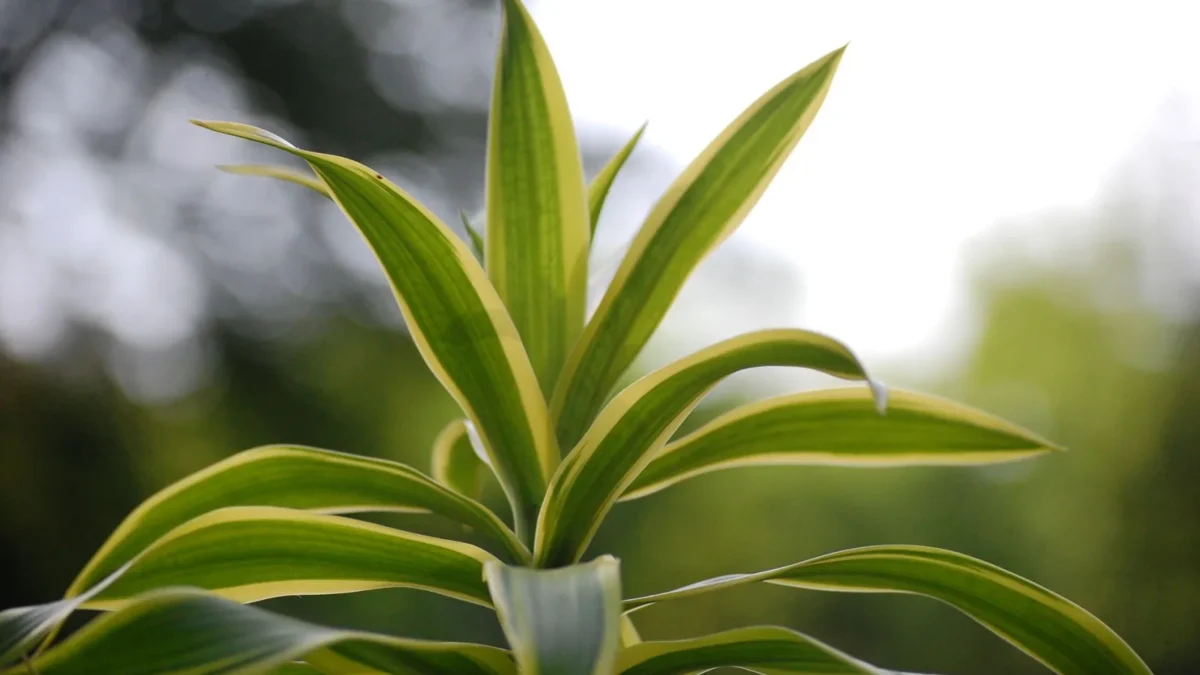
Lucky bamboo care is straightforward once you understand what this tropical plant needs. Lucky Bamboo (Dracaena sanderiana) thrives indoors with bright, indirect light, consistent moisture, and moderate to high humidity—and it bounces back quickly when problems arise. This guide covers everything from daily watering to troubleshooting yellowing leaves, so you can grow a healthy, attractive plant whether you keep it in water, soil, or rocks.
| Botanical name | Dracaena sanderiana |
|---|---|
| Light | Bright indirect light; avoid direct sun which scorches foliage |
| Watering | Water when top 1-2 inches of soil dry; every 6-8 days summer, 11-17 days winter. If in water, change every 2-3 weeks. |
| Humidity | Moderate to high humidity (40-60%); mist leaves or place in humid location |
| Temperature | 18-32°C (65-90°F); keep away from drafts and temperatures below 50°F |
| Soil | Rich, well-draining potting mix with peat, perlite or sand; or grow in water |
| Feeding | In soil: balanced fertilizer at half strength every 4-6 weeks growing season. In water: liquid houseplant fertilizer at |
| Size | 3-5 feet height and spread indoors, typically smaller |
| Difficulty | easy |
Key points
- Water when the top 1–2 inches of soil feel dry: every 6–8 days in summer, 11–17 days in winter
- Provide bright, indirect light; direct sun scorches foliage, while too little light causes yellowing and leggy growth
- Keep humidity at 40–60% by misting or placing in a humid location like a bathroom
- Change water every 2–3 weeks if growing in water to prevent algae and root rot
- Lucky bamboo is toxic to cats and dogs; keep it away from pets or in a pet-free room
- Use filtered, distilled, or rested rainwater to prevent yellowing from tap water chemicals
How Much Light Does Lucky Bamboo Need?
Give lucky bamboo bright but indirect light—it evolved under the forest canopy and dislikes harsh direct sun, which scorches the leaves.
Lucky bamboo thrives between 200–800 foot-candles; below 150 fc growth stalls, and above 1,000 fc leaf burn becomes likely. A moderate light spot reads as “comfortably light room”, not “sunny spot”—around 150–400 foot-candles is ideal. Use the read-a-book test: if you can comfortably read there in daytime without a lamp, lucky bamboo will be content.
Too little light makes the plant turn pale and leggy. Place near an east- or north-facing window; avoid direct southern or western sun unless diffused by sheer curtains.
If your home lacks bright indirect light, an inexpensive full-spectrum LED run 10–12 hours a day is plenty—making it one of the best choices for a north-facing or windowless room.
Watering Lucky Bamboo: Water, Rocks, Soil, and Fish Tanks
Watering lucky bamboo in soil
Stick your finger in the soil up to your first knuckle (about an inch deep); if soil feels dry, water. In summer, that’s typically every 6 to 8 days; in winter, slow down to every 11 to 17 days.
For soil-grown plants, water when the top 1–2 inches (3–5 cm) feel dry; warmer rooms or brighter light shorten the interval, while cooler, lower-light spots stretch the time between waterings. Overwatering causes 83% of root failures; underwatering rarely kills but slows growth.
Yellowing and soft growth usually mean overwatering: watch for yellowing leaves, soft mushy stalk, or root rot. Consistent overwatering triggers Fusarium or Pythium root rot—symptoms include mushy, brown-black stems at the base, foul odor, and sudden leaf drop without yellowing.
Growing lucky bamboo in water
Change the water completely every 2 weeks to prevent algae buildup and keep the water oxygenated. However, you should also change water weekly—swirl gently to dislodge biofilm, rinse roots under lukewarm running water, inspect for slimy or grayish-white coatings (early rot signs), and refill with fresh water.
Change water every 7–10 days; stagnant water encourages biofilm formation and opportunistic bacteria like Pseudomonas cichorii, which colonize micro-wounds and trigger stem softening.
Water choice matters. Lucky bamboo is genuinely sensitive to the salts and fluoride in ordinary tap water: a general, all-over yellowing with no soggy soil and no light problem often traces back to this rather than watering technique. Tap water containing >0.5 ppm fluoride or >1.0 ppm chlorine causes necrotic brown tips and basal rot.
Use bottled water for your stems – you can use tap water, but leave it out for 24 hours for the chlorine to dissipate before use. Let tap water sit uncovered for 24 hours to dissipate chlorine—but fluoride remains; a carbon + reverse osmosis filter is ideal.
Humidity and Temperature for Lucky Bamboo
Humidity
Lucky Bamboo appreciates moderate to high humidity (40–60%); you can increase humidity by misting its leaves or placing it in a naturally humid location like a bathroom. Lucky Bamboo enjoys humidity levels of around 50% or higher, which is typically maintained when the plant is grown in water, as the water evaporates and humidifies the surrounding area.
Temperature
Lucky Bamboo prefers warmer temperatures, ideally between 18–32°C (65–90°F). It is sensitive to cold and should be kept away from drafts and temperatures below 50°F. Periods of cold (below 5°C/40°F) can harm these tropical plants, while placing them too close to a radiator in winter will cause browning of the foliage.
Soil and Repotting Lucky Bamboo
Choosing the right soil
If planting in soil, ensure it’s a rich, well-draining potting mix; keep the soil moist, taking care not to overwater. Dracaena prefers well-draining potting compost, such as a peat-based mix with added perlite or sand.
Repotting schedule and method
Repot every 2–3 years in spring. Choose a container only 1–2 inches wider than the root mass—excess soil holds moisture too long.
When repotting, gently remove the plant from the old pot, check for root rot, trim any mushy roots, and place it in the new pot with fresh soil; adjust your watering habits by watering the plant thoroughly but allowing the top inch of soil to dry out before the next watering.
Lucky Bamboo can also turn yellow if it’s root-bound, as its root system won’t get enough nutrients and oxygen; repotting it in a bigger container can usually fix the issue.
Feeding Your Lucky Bamboo
Fertilizing soil-grown plants
If grown in soil, use a balanced houseplant fertilizer following the manufacturer’s instructions but at half strength, every 4–6 weeks during the growing season.
Fertilizing water-grown plants
If growing in water, a tiny drop of liquid houseplant fertilizer (diluted to ¼ strength) every 2–3 months is sufficient; specialty “Lucky Bamboo” fertilizers are also available.
Avoiding fertilizer burn
Over-fertilizing without diluting can burn the sensitive roots of Lucky Bamboo, causing yellowing foliage. When lucky bamboo turns yellow from the bottom up, it is a strong indication of exposure to too much fertilizer. Your best course of action is to change the water and rinse the container, then refill with distilled water and do not add fertilizer.
Pruning and Shaping Lucky Bamboo
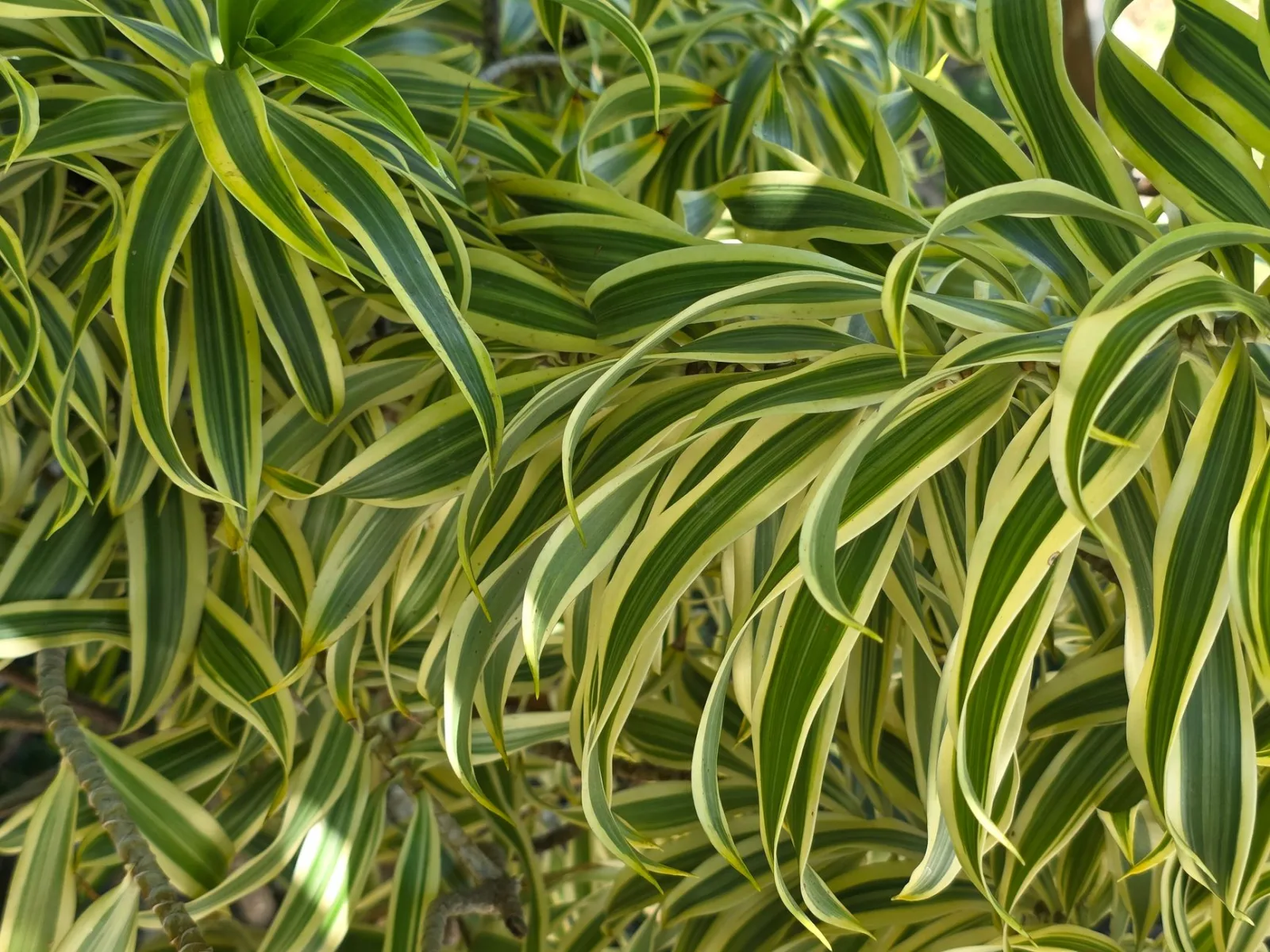
Cut back older, lanky stems to the base to encourage new growth. The stems can be trained to take on a number of forms including spirals, braids, hearts, and loops.
How to Propagate Lucky Bamboo
The easiest way to propagate Lucky Bamboo is by stem cuttings; use clean, sharp shears to cut a piece of stem that has at least one leaf node.
Propagating in water
Select a healthy 4–6 inch stem with at least two nodes and one mature leaf; make a clean cut ½ inch below the lowest node; remove lower leaves, leaving 1–2 at the top. Place in distilled water with node submerged; position in bright, indirect light; roots appear in 14–28 days. If rooting in water, change the water every 2 weeks to keep it clean and prevent algae growth.
Propagating in soil
Lucky Bamboo can also root in moist, well-draining potting soil; plant the cutting in a pot, ensuring the node is buried in the soil; keep the soil consistently moist but not waterlogged. Roots should start to form within a month.
Year-round propagation
Lucky bamboo can be propagated all year long, regardless of whether the plant is in its growing or dormant season.
Common Problems: Yellow Leaves, Brown Tips, Drooping, and Saving Dying Plants
Yellow leaves
Lucky bamboo turns yellow from overwatering, tap water chemicals, direct sun, temperature swings, or over-fertilization, and those yellow leaves will not green up again even after you fix the problem; the plant itself can recover once you fix the care mistake behind it.
Overwatering. The most likely cause is overwatering and root rot. If in water, discard old water, rinse roots gently under lukewarm running water, trim any brown, slimy, or mushy roots with sterilized scissors, and refill vase with fresh, filtered water—only enough to cover bottom 1–2 inches of stalks.
Tap water chemicals. A general, all-over yellowing with no soggy soil and no light problem often traces back to tap water salts and fluoride. Switch to filtered, distilled, or rested rainwater, and flush the soil every few months to clear built-up minerals; sensitive plants like this one often green back up within a few weeks of the switch.
Low light. Too little light can cause the leaves to turn yellow and drop. The yellowing comes with dull, fading leaf patterning and pale new growth leaning toward the nearest window; lucky bamboo tolerates low light, but together those changes show that the spot is too dim. Move it to a brighter spot; the patterning sharpens back up within a few new leaves, but keep it out of harsh midday sun, which scorches.
Temperature stress. Extreme temperature fluctuations outside the 60°F–90°F range can stress the plant and make its leaves turn yellow. Place the plant in a stable, warm area, 2–3 feet away from drafts or direct heat sources.
Over-fertilization. Older leaves fade evenly and growth has slowed after many months unfed, but this genus is also easily salt-burned by fertilizer.
Natural aging. Some yellowing can be natural as the plant ages.
Brown leaf tips
Leaf tips turning brown can be a symptom of multiple issues, including low humidity, incorrect lighting, or high levels of water additives such as chlorine. Fluoride can cause leaf tips to turn brown; low humidity can cause leaf tips to turn brown as well; mist the leaves of the lucky bamboo every couple of days if lack of humidity is a problem. Using filtered water or rain water may help reduce leaf tip browning.
Drooping and soft stalks
If your bamboo’s leaves are curling lengthwise, it’s a clear sign the plant needs water; give it a nice soak and you should notice the leaves relaxing and opening up within an hour or two. Stalks feel soft or collapse, indicating prolonged saturation, stagnant water, or developing root rot.
Is Lucky Bamboo Toxic to Pets and Humans?
Toxicity to cats and dogs
All parts of the Lucky Bamboo plant are toxic to both cats and dogs; the toxic principle is a group of chemical compounds known as saponins. Dracaena sanderiana is toxic to cats since it has steroidal saponins whose ingestion will cause symptoms such as drooling, vomiting, diarrhea, weakness, abdominal pain, incoordination, and dilated pupils.
In cats and dogs, contact or ingestion can cause vomiting and diarrhea, drooling, lethargy, and loss of appetite.
Water safety
Lucky bamboo does not release a toxin into water; if the cat only drinks the water, she should be ok. The dog would have to ingest part of the plant for anything to occur.
Severity in pets with health conditions
If a healthy cat ingests some of a lucky bamboo plant, the reactions will most likely be mild to moderate; cats with pre-existing health conditions will likely be a bit more ill.
Safe placement
A room your pets do not go into is the only placement that reliably works; if the plant stays in a shared room, look at what sits beside it: a sofa back or a counter turns a high pot into a short hop; sweep up dropped leaves too, since a fallen piece is what most pets actually chew.
What to do if your pet ingests lucky bamboo
Take lucky bamboo away and remove any plant material from your cat’s mouth so they cannot eat more; do NOT induce vomiting unless a vet or poison-control specialist tells you to; call your vet, or a poison-control line—(888) 426-4435 in the US, or Animal PoisonLine on 01202 509 000 in the UK.
FAQ
Can I grow lucky bamboo in a fish tank?
Yes, lucky bamboo can grow in a fish tank as long as the roots are submerged in water and the leaves stay above the surface. If grown in water, use filtered or distilled water, and change it every 2–3 weeks to prevent algae growth and root rot.
How do I know if my lucky bamboo is overwatered?
Watch for yellowing leaves, soft mushy stalk, or root rot. Consistent overwatering triggers Fusarium or Pythium root rot—symptoms include mushy, brown-black stems at the base, foul odor, and sudden leaf drop without yellowing.
How tall does lucky bamboo grow indoors?
Indoors, lucky bamboo typically reaches 3 to 5 feet in height and spread, though it is often smaller.
Is lucky bamboo actually bamboo?
Lucky Bamboo (Dracaena sanderiana) is NOT actually bamboo and IS toxic to cats and dogs. It belongs to the Asparagaceae (Asparagus) family, which includes other genera such as Sansevierias, Cordylines, and Agaves.
Can I use tap water for lucky bamboo?
Lucky bamboo is sensitive to the salts and fluoride in ordinary tap water. Let tap water sit uncovered for 24 hours to dissipate chlorine—but fluoride remains; a carbon + reverse osmosis filter is ideal. Filtered, distilled, or rainwater is best.
Is lucky bamboo easy to care for?
It is generally problem free and a very easy houseplant to care for.
More about Lucky Bamboo
Sources
- Dracaena sanderiana – Plant Finder
- Dracaena Sanderiana Plant Care: Water, Light & Propagation Guide
- Lucky Bamboo (Dracaena sanderiana): All You Need To Know
Photo: Big Photon / Pexels, Pexels