Lucky Bamboo Dracaena sanderiana
Why Is My Lucky Bamboo Turning Yellow? Causes and Fixes
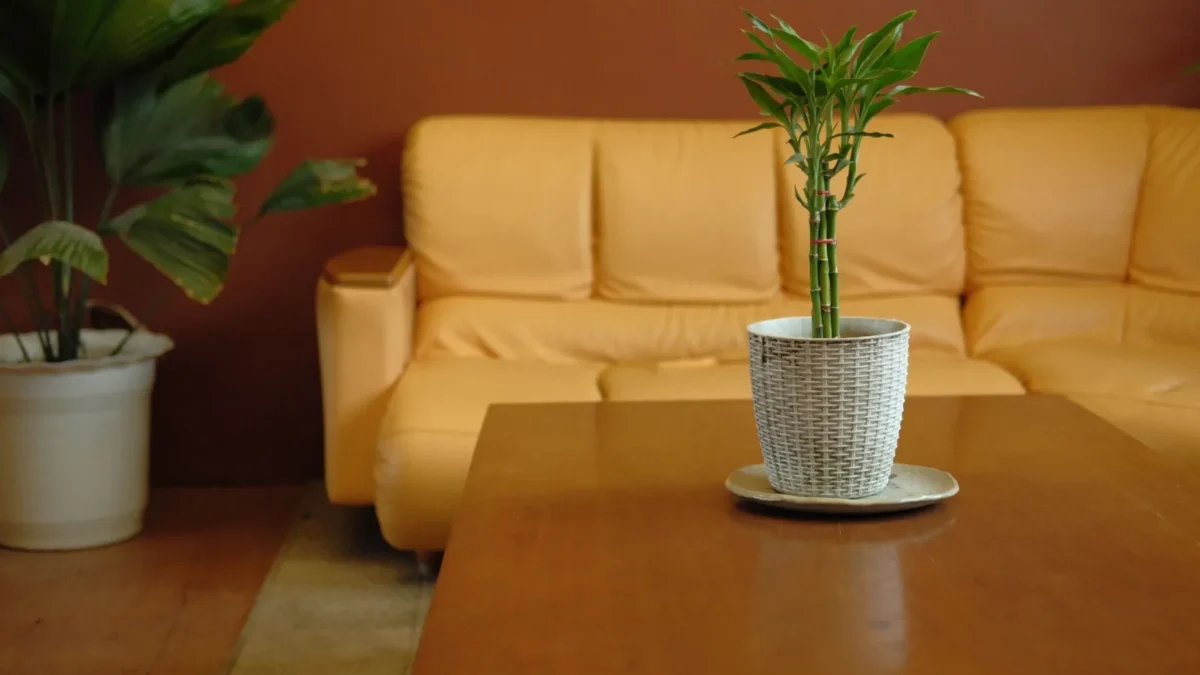
Quick answer: Why is your lucky bamboo turning yellow? The most common cause is overwatering and root rot, followed by tap water chemicals, insufficient light, temperature swings, or over-fertilization. The fix depends on which cause is at play.
| Botanical name | Dracaena sanderiana |
|---|---|
| Light | Bright indirect light; avoid direct sun which scorches foliage |
| Watering | Water when top 1-2 inches of soil dry; every 6-8 days summer, 11-17 days winter. If in water, change every 2-3 weeks. |
| Humidity | Moderate to high humidity (40-60%); mist leaves or place in humid location |
| Temperature | 18-32°C (65-90°F); keep away from drafts and temperatures below 50°F |
| Soil | Rich, well-draining potting mix with peat, perlite or sand; or grow in water |
| Feeding | In soil: balanced fertilizer at half strength every 4-6 weeks growing season. In water: liquid houseplant fertilizer at |
| Size | 3-5 feet height and spread indoors, typically smaller |
| Difficulty | easy |
| What you see | Likely cause | What to do |
|---|---|---|
| Yellowing + soft, mushy stem at base | Overwatering and root rot | Repot in fresh soil, trim mushy roots, water only when top 1–2 inches dry |
| All-over yellowing, no soggy soil, no light issue | Tap water chemicals (fluoride/chlorine) | Switch to filtered, distilled, or rested rainwater; flush soil every few months |
| Yellowing + dull, faded leaves + pale new growth leaning toward window | Too little light | Move to a brighter spot; try an east- or north-facing window |
| Yellowing from the bottom up | Over-fertilization | Flush soil thoroughly, switch to distilled water, stop fertilizing for 4–6 weeks |
| Yellowing + washed-out or pale appearance | Too much direct sun | Move away from harsh light; avoid direct southern or western sun |
| Yellowing after temperature swings or near drafts | Cold stress or temperature extremes | Place in stable, warm area 2–3 feet from drafts; maintain 65–90°F |
Overwatering and root rot
Overwatering causes roughly 83% of root failures in lucky bamboo. Yellowing leaves paired with soft, mushy stems at the base are the telltale signs. The problem starts when soil or water stays too wet; consistent overwatering triggers root rot fungi like Fusarium or Pythium, which turn roots brown and mushy.
How to fix it:
- In soil: remove the plant, trim away brown, slimy, or mushy roots with sterilized scissors, and repot in fresh, well-draining mix. Then water only when the top 1–2 inches feel dry—about every 6–8 days in summer, 11–17 in winter.
- In water: discard the old water, rinse the roots under lukewarm running water, trim any brown, slimy ones, and refill with fresh, filtered water covering just the bottom 1–2 inches of stalks. Change the water completely every 2 weeks, swirling gently to dislodge biofilm.
Tap water chemicals damaging the foliage
Lucky bamboo is genuinely sensitive to the salts and fluoride in ordinary tap water. Tap water containing more than 0.5 ppm fluoride or more than 1.0 ppm chlorine causes necrotic brown tips and basal rot. An all-over yellowing with no soggy soil and no light problem often points to this culprit rather than watering technique.
How to fix it:
Switch to filtered, distilled, or rested rainwater. Sensitive plants like lucky bamboo often green back up within a few weeks of the switch. Flush the soil every few months to clear built-up minerals.
If you must use tap water, let it sit uncovered for 24 hours to dissipate chlorine—though fluoride will remain; a carbon plus reverse osmosis filter removes both.
Insufficient light
Too little light causes yellowing, dull patterning, and pale new growth leaning toward the window. Lucky bamboo tolerates low light, but together those changes mean the spot is too dim. It prefers bright, indirect light—roughly the amount needed to read comfortably without a lamp.
How to fix it:
Move it to a brighter spot, ideally an east- or north-facing window, avoiding direct southern or western sun unless diffused by sheer curtains. The patterning will sharpen back up within a few new leaves; if natural light is limited, a full-spectrum LED grow light run 10–12 hours a day works too.
Temperature stress
Extreme temperature fluctuations outside the 60°F–90°F range can stress the plant and make its leaves turn yellow. Lucky bamboo is sensitive to cold and should be kept away from drafts and temperatures below 50°F.
How to fix it:
Place the plant in a stable, warm area 2–3 feet away from drafts or direct heat sources.
Over-fertilization
When lucky bamboo turns yellow from the bottom up, it is a strong indication of exposure to too much fertilizer. Over-fertilizing without diluting can burn the sensitive roots, causing yellowing foliage.
How to fix it:
Change the water and rinse the container, then refill with distilled water and do not add fertilizer. For soil-grown plants, use a balanced houseplant fertilizer at half strength every 4–6 weeks during the growing season only. If growing in water, a tiny drop of liquid houseplant fertilizer at ¼ strength every 2–3 months is sufficient.
Prevention
Yellow leaves will not green up again, but the plant itself can recover once you fix the care mistake behind it. Keep light bright and indirect, water only when the top 1–2 inches feel dry, use filtered or rested water, hold the temperature between 65–90°F, and fertilize sparingly during the growing season only.
Read the full guide: Lucky Bamboo Care: The Complete Guide
More about Lucky Bamboo
The same problem in other plants
- Why Are My Purple Shamrock Leaves Turning Green?
- Why Are My Corn Plant Leaves Turning Yellow and Brown?
- Why Are My Weeping Fig Leaves Turning Yellow?
- Why Are My Bird's Nest Fern Leaves Turning Yellow?
Sources
- Lucky bamboo yellow leaves: causes and checks – Botanicaly
- Dracaena Sanderiana Care: Truths, Myths & Proven Methods
- Dracaena sanderiana – Plant Finder
Photo: Paul De Vota / Pexels, Pexels