Lucky Bamboo Dracaena sanderiana
Is Lucky Bamboo Toxic to Cats and Dogs?
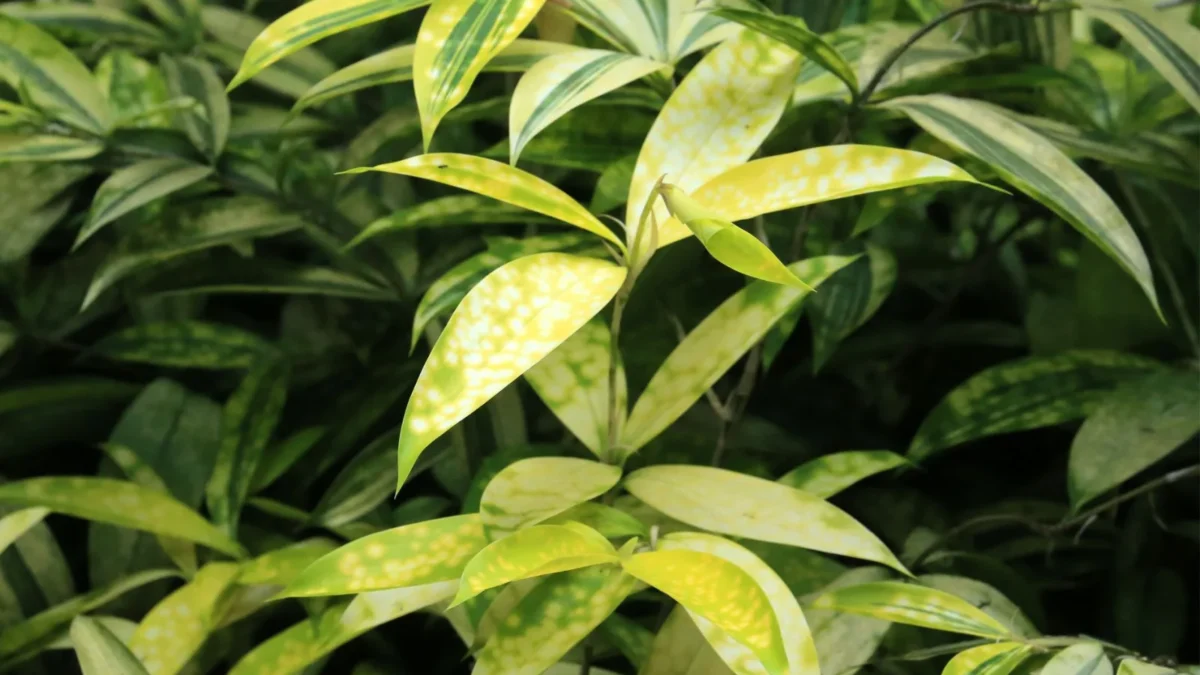
Quick answer: Yes, lucky bamboo is toxic to both cats and dogs. All parts of the plant contain saponins, chemical compounds that can cause vomiting, diarrhea, drooling, weakness, and other serious symptoms if ingested.
| Botanical name | Dracaena sanderiana |
|---|---|
| Light | Bright indirect light; avoid direct sun which scorches foliage |
| Watering | Water when top 1-2 inches of soil dry; every 6-8 days summer, 11-17 days winter. If in water, change every 2-3 weeks. |
| Humidity | Moderate to high humidity (40-60%); mist leaves or place in humid location |
| Temperature | 18-32°C (65-90°F); keep away from drafts and temperatures below 50°F |
| Soil | Rich, well-draining potting mix with peat, perlite or sand; or grow in water |
| Feeding | In soil: balanced fertilizer at half strength every 4-6 weeks growing season. In water: liquid houseplant fertilizer at |
| Size | 3-5 feet height and spread indoors, typically smaller |
| Difficulty | easy |
What Happens If a Cat or Dog Eats Lucky Bamboo
If your cat ingests lucky bamboo, symptoms may include drooling, vomiting, diarrhea, weakness, abdominal pain, incoordination, and dilated pupils. Dogs that chew the plant can experience vomiting, diarrhea, drooling, lethargy, and loss of appetite.
A healthy cat that ingests some plant material will likely have mild to moderate reactions, though cats with pre-existing health conditions may be more severely affected.
Water vs. Plant Material
One reassuring point: lucky bamboo does not release its toxin into the water. If your cat only drinks the water the plant sits in, she should be fine. For dogs, ingestion of plant material is required for toxicity to occur.
What to Do If Your Pet Chews Lucky Bamboo
If you see your pet eating the plant, act immediately. Remove lucky bamboo and any plant material from your pet’s mouth to prevent further ingestion. Do not induce vomiting unless a vet or poison-control specialist specifically tells you to.
Call your veterinarian or poison-control right away: in the US, contact the ASPCA Animal Poison Control Center at (888) 426-4435. In the UK, call Animal PoisonLine on 01202 509 000.
Keeping Your Pet Safe
The most reliable way to protect your pet is to place lucky bamboo in a room they do not have access to. If the plant must stay in a shared space, consider its position carefully—a pot on a sofa back or counter is easily reached. Sweep up any fallen leaves promptly, since a dropped leaf is often what pets actually chew.
FAQ
Can lucky bamboo hurt my cat just by being in the house?
The plant itself is not dangerous unless your cat or dog chews or ingests it. Simply having the plant nearby poses no risk as long as your pet does not eat any part of it.
What if my pet swallows just a tiny piece?
A single small piece is unlikely to cause severe illness in a healthy pet, though symptoms are still possible. Watch for the signs listed above and contact poison control if you’re concerned.
Is the water toxic?
No. The toxin is in the plant tissue itself, not in the water. Your pet is safe if they drink only from the vase.
Read the full guide: Lucky Bamboo Care: The Complete Guide
More about Lucky Bamboo
The same problem in other plants
- Is Kalanchoe Toxic to Cats, Dogs, and People?
- Is Polka Dot Plant Toxic to Cats and Dogs?
- Is Cast Iron Plant Toxic to Cats and Dogs?
- Is Echeveria Toxic to Cats and Dogs?
Sources
- My cat ate Lucky bamboo — Toxic (ASPCA): What to Do
- Is Lucky bamboo toxic to cats and dogs? Yes, what to do
- Will Lucky Bamboo Harm FIDO?
Photo: Jeffry Surianto / Pexels, Pexels