Monstera Adansonii Monstera adansonii
Monstera Adansonii Care: The Complete Guide
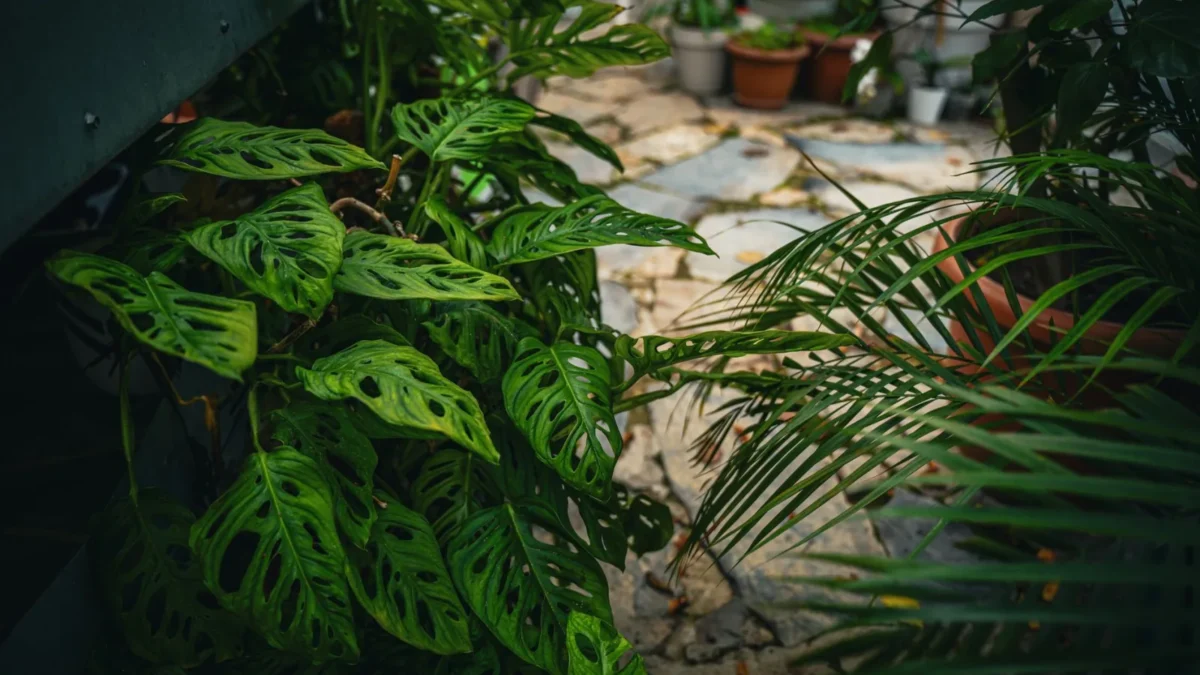
Monstera adansonii care comes down to a few basics: bright indirect light, consistent moisture, and good drainage keep this easy houseplant thriving. This tropical vining plant brings lush greenery indoors and remains forgiving enough for beginners, yet rewarding for experienced plant lovers. By understanding its core needs, you’ll grow a thriving plant that reaches its full potential.
Monstera Adansonii at a glance
| Botanical name | Monstera adansonii |
|---|---|
| Light | Bright indirect light; tolerates low light but growth slows and becomes spindly |
| Watering | Water when top 1-2 inches of soil are dry; keep just moist in winter |
| Humidity | Moderate to high humidity |
| Temperature | 18–25°C (65–77°F); minimum 10-15°C |
| Soil | Peat-free, loam-based potting compost; well-draining, chunky aroid mix |
| Feeding | Balanced liquid fertilizer monthly during growth; or every 2-4 weeks diluted |
| Size | 1.5–2.5 metres tall; 0.5–1 metre spread indoors |
| Difficulty | easy |
Key points
- Provide bright indirect light; low light causes slow growth and spindly stems
- Water when the top 1–2 inches of soil are dry; avoid overwatering and waterlogging
- Maintain moderate to high humidity and temperatures between 18–25°C (65–77°F)
- Use well-draining, peat-free, loam-based compost or chunky aroid mix
- Feed monthly during growth with balanced liquid fertilizer, or every 2–4 weeks diluted
- Prune regularly to encourage bushiness and prevent legginess
- This plant is toxic to both cats and dogs if chewed
Light Requirements for Monstera Adansonii
Monstera adansonii grows best in bright indirect light. As tropical forest plants, they naturally live beneath the canopy where they receive dappled sunlight. Indoors, place your plant a few meters away from a well-lit window to provide this ideal bright, filtered environment.
Low light is tolerated but will significantly slow growth and cause the plant to become very spindly. When light is insufficient, the stems stretch and elongate between leaf nodes as the plant literally reaches for light—a process called etiolation. The internodes widen and leaves shrink in size, creating a sparse, leggy appearance. If you prune a stretched vine without moving it to better light, new growth will simply repeat the same pattern. The solution is to improve light conditions first, then prune.
Watering Your Monstera Adansonii
Water when the top 1–2 inches of soil are dry. During the active growing season, the plant will drink regularly; in winter, reduce watering and keep the soil just moist. Checking soil moisture with your finger before watering prevents guesswork.
Overwatering is the leading cause of problems. Never leave the pot standing in water for long periods, as roots will rot in waterlogged soil. Overwatered plants develop soft, mushy yellow leaves, often starting from the base. If root rot has begun, you may need to repot into fresh, dry soil and trim away damaged roots.
Underwatering also causes yellowing—the leaves turn yellow and dry, crispy edges appear at the tips. Check soil regularly and water thoroughly when it’s dry to the touch in the top layers.
Humidity and Temperature Needs
Monstera adansonii requires moderate to high humidity. In homes with dry air, mist the leaves weekly or group plants together to raise humidity naturally. A humid environment keeps leaves healthy and discourages pests.
Keep the plant warm at 18–25°C (65–77°F). A minimum of 10–15°C is needed to prevent damage, so avoid cold draughts and positioning near winter windows or heaters. Consistent warmth encourages steady growth and prevents the stress that leads to pest problems.
Soil and Repotting Guide
Use peat-free, loam-based potting compost. Many growers prefer a very chunky, well-aerated aroid mix that mimics the loose, fast-draining growing medium of tropical forest floors. Good drainage prevents water sitting around roots and keeps the plant healthy.
Repot in spring when roots begin to circle the pot, usually every 12–18 months depending on growth rate. Use a pot only slightly larger than the previous one—excessive soil holds excess moisture. Fill with fresh compost and water gently to settle the soil around roots.
Feeding and Fertilizer
During the growing season (spring and summer), feed your monstera monthly with a balanced liquid fertilizer. Alternatively, apply a diluted balanced fertilizer every 2–4 weeks during the growing season. Reduce feeding in autumn and stop in winter when growth naturally slows.
A balanced formula ensures the plant receives equal nitrogen, phosphorus, and potassium. This supports healthy leaves, strong stems, and overall vigor. Follow the product label for dilution rates—overdosing does more harm than good.
Pruning and Training Your Monstera Adansonii
Pruning is essential for maintaining a full, bushy shape and preventing your monstera from becoming a few long, leggy vines. Regular pruning encourages the plant to branch out sideways rather than stretching upward, creating a much fuller appearance.
The best way to prevent legginess and encourage bushiness is to tip prune the stems, cutting anywhere from 1–4 leaf nodes down from the end of the stem. You can prune anytime, but major trims are best done in spring or summer when the plant is actively growing. Make cuts close to the main stem to avoid leaving stubs.
Tip pruning redirects energy into side branching rather than upward growth, and the trimmings can be propagated to create new plants.
Propagating Monstera Adansonii
Monstera adansonii propagates easily from stem cuttings, giving you free new plants from prunings.
Water Propagation
This method works reliably for most growers.
- Take a healthy stem cutting with at least one node—the point where leaves emerge from the stem. A leaf alone will not produce roots or new growth.
- Use clean, sharp scissors to cut just below the node, as a fresh cut promotes root growth.
- Remove any leaves that would be submerged in water to prevent rot.
- Place the cutting in a jar of filtered water on a bright windowsill.
- Change the water every 5–7 days to keep it fresh and oxygenated.
- Roots typically appear within 2–4 weeks. Transplant to soil once roots reach 1–2 inches long, ideally when a few side roots have branched from them. Long water roots struggle when transferred to soil, so don’t delay planting.
Soil Propagation
For direct soil propagation:
- Take a cutting with at least one node.
- Remove leaves from the bottom half of the section, as these lower nodes will form roots.
- Place the cutting into well-draining soil, completely burying the nodes you want to root.
- Pack the soil loosely around the nodes and ensure each cutting is secure.
- Keep soil consistently moist (not wet) and provide bright indirect light.
- Roots develop within a few weeks; new growth above soil signals successful rooting.
Air Layering
For advanced propagators, air layering allows you to root a section while still attached to the parent plant:
- Choose a healthy section of stem with a node.
- Wrap moist sphagnum moss around the node.
- Cover the moss with plastic wrap to retain moisture.
- Keep the moss moist and wait for roots to form—this typically takes 3–5 weeks.
- Once you see strong roots through the moss, cut just below the root ball and plant in soil.
Common Problems and Solutions
Yellow Leaves
Overwatering is the leading cause of yellow leaves. Overwatered plants show soft, mushy yellow leaves, often starting from the base. If caught early, allow soil to dry out between waterings and improve drainage. Underwatering also causes yellowing, but the edges appear dry and crispy rather than soft. Low light reduces photosynthesis and triggers chlorophyll loss, resulting in pale or yellow leaves. Moving the plant to brighter indirect light often reverses the problem. Nutrient deficiency—particularly nitrogen, magnesium, or iron—causes yellowing between leaf veins while veins remain green, a pattern called interveinal chlorosis. Feed with a balanced fertilizer to correct this. Lower leaves naturally yellow as the plant matures and redirects energy to new growth; this is normal and requires no action. Pests like spider mites, aphids, and scale can sap nutrients from the plant, causing stress and yellowing. Inspect the undersides of leaves and stems for tiny insects or sticky residue, and treat with neem oil or insecticidal soap if needed.
Leggy Growth
Insufficient light is the most common reason for leggy growth. Monsteras are native to the tropical forest understory, where they receive dappled indirect light. When grown indoors without enough bright indirect light, they stretch to seek it out, resulting in longer internodes and sparse appearance. Moving the plant closer to a bright window or supplementing with grow lights will slow elongation and encourage fuller branching. Always move the plant to better light before pruning; otherwise, new growth will repeat the leggy pattern.
Leaf Spots and Moisture Issues
Avoid splashing water on the foliage and provide good air circulation to prevent leaf spots. These fungal or bacterial spots thrive in wet conditions. Water at soil level rather than overhead, and ensure the plant has space for air to circulate around leaves.
Root Rot
Root rot develops when soil remains waterlogged or the pot lacks drainage holes. Remove the plant from its pot, trim away dark, mushy roots with clean scissors, and repot into fresh, dry compost. Hold back on watering for a few days to allow the roots to recover.
Is Monstera Adansonii Toxic to Pets?
Monstera adansonii is toxic to both cats and dogs. All parts of the plant contain calcium oxalate raphides—needle-sharp crystals that physically penetrate the oral mucosa when chewed, causing intense burning, drooling, vomiting, and swelling of the lips and tongue. The sap is especially dangerous for pets and children, as it causes irritation and inflammation of the mouth, throat, eyes, and digestive tract.
Symptoms appear immediately if a pet chews the plant. Immediate signs include oral irritation, intense burning, drooling, vomiting, and difficulty swallowing. If your cat or dog has chewed the plant, rinse their mouth with cold water and contact a veterinarian right away. Although poisoning is not fatal, prompt veterinary care ensures proper care and monitoring.
Keep the plant out of reach of pets and children, or choose it only if you can safely secure it away from curious mouths.
FAQ
How often should I water Monstera adansonii?
Water when the top 1–2 inches of soil are dry. This usually means watering every 7–10 days during active growth, less frequently in winter.
Can Monstera adansonii tolerate low light?
It tolerates low light but will show little growth and become very spindly. Bright indirect light produces the healthiest, fullest plants.
What is the best soil for Monstera adansonii?
Use peat-free, loam-based potting compost or a chunky, well-aerated aroid mix. Both provide the drainage and aeration tropical plants prefer.
How large does Monstera adansonii grow indoors?
Indoor plants typically reach a maximum height of 1.5–2.5 metres with a spread of 0.5–1 metre.
What temperature does Monstera adansonii need?
Keep the plant at 18–25°C (65–77°F) with a minimum of 10–15°C. Avoid cold draughts and sudden temperature swings.
When should I prune Monstera adansonii?
You can prune anytime, but major trims are best done in spring or summer. Regular tip pruning throughout the year keeps the plant full and prevents legginess.
More about Monstera Adansonii
Sources
- Monstera adansonii [Monkey Leaf] ('Ppimon001')
- Why Is My Monstera Adansonii Turning Yellow? – Plant Care
- Monstera adansonii (Swiss Cheese Vine): Care, ID vs. obliqua & Toxicity
Photo: Yetkin Ağaç / Pexels, Pexels