Monstera Adansonii Monstera adansonii
Why Is My Monstera Adansonii Leggy and How to Fix It
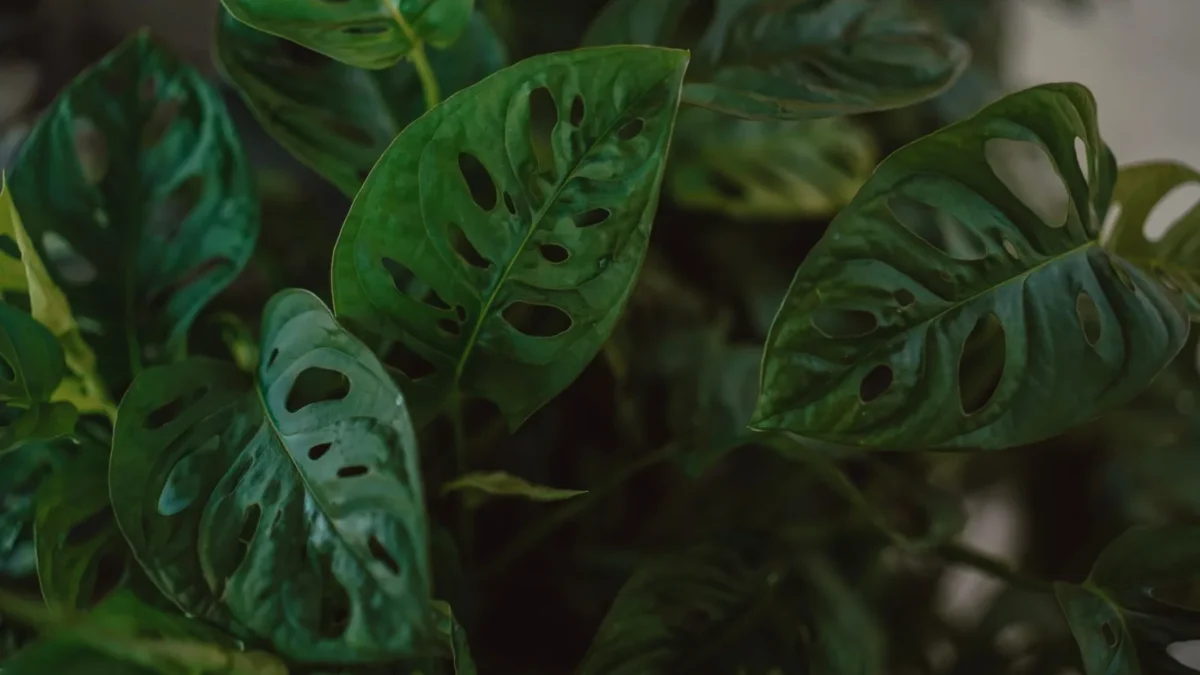
Quick answer: Your Monstera Adansonii is leggy mainly because it’s not getting enough bright, indirect light. In low light, the plant stretches toward available light, creating long spaces between leaves and a sparse appearance. Moving it to a brighter spot and pruning regularly will fix this and encourage bushier growth.
Monstera Adansonii at a glance
| Botanical name | Monstera adansonii |
|---|---|
| Light | Bright indirect light; tolerates low light but growth slows and becomes spindly |
| Watering | Water when top 1-2 inches of soil are dry; keep just moist in winter |
| Humidity | Moderate to high humidity |
| Temperature | 18–25°C (65–77°F); minimum 10-15°C |
| Soil | Peat-free, loam-based potting compost; well-draining, chunky aroid mix |
| Feeding | Balanced liquid fertilizer monthly during growth; or every 2-4 weeks diluted |
| Size | 1.5–2.5 metres tall; 0.5–1 metre spread indoors |
| Difficulty | easy |
| What you see | Likely cause | What to do |
|---|---|---|
| Long stems with wide gaps between leaves | Insufficient bright indirect light | Move plant closer to a window; provide bright indirect light |
| Small leaves on stretched stems | Low light reducing photosynthesis | Increase light gradually to prevent leaf scorch |
| Slow or no new growth | Not enough light or fertilizer | Improve light; feed monthly during growth |
| Soft, yellow leaves from base up | Overwatering and root rot | Reduce watering; let top 1-2 inches of soil dry |
| Wilting, crispy leaf edges | Underwatering | Water when soil surface dries out |
Why Monstera Adansonii becomes leggy
The main reason is insufficient light. As tropical forest plants, Monsteras evolved in dappled understory conditions, but indoors they need bright, indirect light to thrive. Without it, they literally reach for light, stretching stem after stem with bigger gaps between leaf nodes—a process called etiolation.
Low light also slows growth overall, so you may notice both legginess and smaller leaves developing. Even if you prune a leggy vine without moving it to better light, the new growth will repeat the same sparse pattern.
How to encourage fuller, bushier growth
Three steps work together:
-
Move your plant to bright indirect light. Place it a few metres from a well-lit window. This halts the stretching and allows new compact growth to form.
-
Prune the stems regularly. Tip prune (cut back 1–4 leaf nodes from the stem ends) to trigger branching. This forces the plant to send out new shoots lower down, creating a much fuller appearance. Timing matters: major trims are best done in spring or summer.
-
Feed during growth. Apply a balanced liquid fertiliser monthly when the plant is actively growing. Better light and regular feeding combine to produce stronger, more vigorous new shoots.
Can you propagate prunings?
Yes. Take stem cuttings with at least one node (where leaves emerge), then root them in water. Roots typically form in 2–4 weeks. Pop the cutting in a jar of filtered water on a bright windowsill, change water weekly, and transplant to soil once roots reach 1-2 inches.
Why are my Monstera Adansonii leaves getting smaller?
Small leaves are usually a sign of low light combined with slow growth. Improving light and feeding will encourage larger new leaves to develop over time.
Preventing legginess long-term
The key is consistent bright indirect light. Also maintain proper watering—water when the top 1-2 inches are dry, and avoid overwatering, which causes root rot and stops growth. Keep the plant warm at 18–25°C and use well-draining, chunky aroid compost. Regular pruning prevents leggy growth from returning, so trim new growth a few times a year to maintain a compact, bushy shape.
Read the full guide: Monstera Adansonii Care: The Complete Guide
More about Monstera Adansonii
The same problem in other plants
- Why Isn't Your Snake Plant Growing and How to Encourage Growth
- Why Is My Monstera Not Growing New Leaves with Holes?
- Why Is My Anthurium Clarinervium Not Growing?
Sources
- Complete Guide to Monstera Adansonii Care and Growth
- Monstera adansonii [Monkey Leaf] ('Ppimon001')
- Swiss cheese plants / RHS Plant Guide
Photo: hello aesthe / Pexels, Pexels