Monstera Adansonii Monstera adansonii
Why Are My Monstera Adansonii Leaves Turning Yellow?
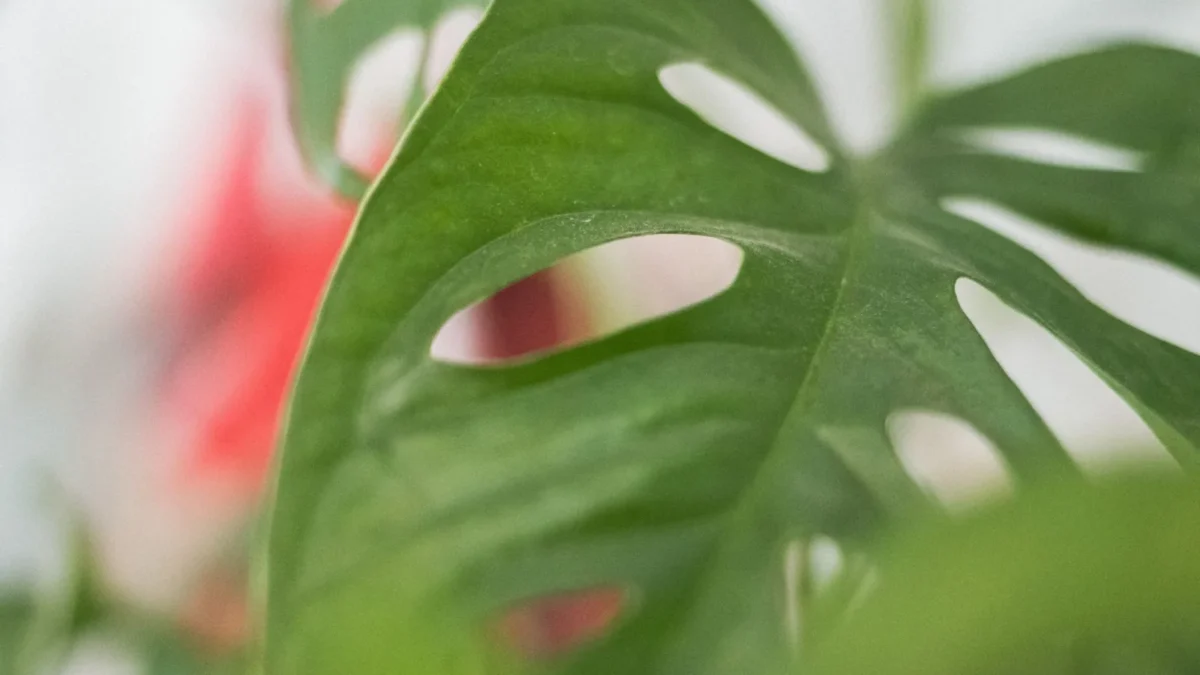
Quick answer: Yellow leaves on your Monstera Adansonii usually mean overwatering, insufficient light, or nutrient problems. Check the soil, inspect the leaf texture, and adjust watering or lighting to match the cause.
Monstera Adansonii at a glance
| Botanical name | Monstera adansonii |
|---|---|
| Light | Bright indirect light; tolerates low light but growth slows and becomes spindly |
| Watering | Water when top 1-2 inches of soil are dry; keep just moist in winter |
| Humidity | Moderate to high humidity |
| Temperature | 18–25°C (65–77°F); minimum 10-15°C |
| Soil | Peat-free, loam-based potting compost; well-draining, chunky aroid mix |
| Feeding | Balanced liquid fertilizer monthly during growth; or every 2-4 weeks diluted |
| Size | 1.5–2.5 metres tall; 0.5–1 metre spread indoors |
| Difficulty | easy |
| What you see | Likely cause | What to do |
|---|---|---|
| Soft, mushy yellow leaves from the base down | Overwatering or root rot | Let soil dry out between waterings; water only when top 1–2 inches are dry. Check roots for rot and repot if needed. |
| Dry, crispy yellow edges | Underwatering | Water more frequently; keep soil consistently moist during growth. |
| Yellow leaves overall, normal texture | Low light | Move the plant closer to a bright window with indirect light. |
| Yellowing between leaf veins, green veins remain | Nutrient deficiency | Feed with a balanced liquid fertilizer every 2–4 weeks during the growing season. |
| Yellow lower leaves only, upper leaves green | Natural aging | Remove old leaves; this is normal as the plant matures. |
| Yellow leaves with visible tiny insects or webs | Pest damage | Inspect for spider mites, aphids, or scale. Isolate the plant and treat with neem oil or insecticidal soap. |
How to identify the cause and fix it
Overwatering is the most common reason monstera adansonii leaves turn yellow. These plants prefer their soil to dry out between waterings, and if the soil stays constantly damp, roots suffocate and rot. Yellow leaves from overwatering appear soft and mushy, often starting from the base of the plant. To fix this, water only when the top 1–2 inches of soil are dry. If root rot is severe, repot the plant into fresh, well-draining compost.
Underwatering causes the opposite problem. Leaves develop dry, crispy yellow edges rather than soft yellowing. If you suspect this, water your plant more frequently but still allow the soil surface to dry slightly between waterings.
Low light is another major culprit. Your Monstera adansonii needs bright, indirect light. Without it, the plant cannot produce enough chlorophyll, and leaves yellow. Move your plant within a few metres of a well-lit window. If growth becomes spindly and new leaves are small, insufficient light is the problem.
Nutrient deficiency, particularly lack of nitrogen, magnesium, or iron, causes yellowing between the leaf veins while the veins themselves stay green. This pattern is called interveinal chlorosis. Fix it by feeding with a balanced liquid fertilizer every 2–4 weeks during the growing season.
Lower leaves naturally yellow as the plant matures and redirects energy to new growth. This is normal and not a sign of trouble—simply remove the affected leaves.
Pests like spider mites, aphids, and scale can also cause yellowing by feeding on the plant and weakening it. Inspect the undersides of leaves and stems carefully. If you find pests, isolate the plant and treat it promptly.
How to prevent yellow leaves
The best prevention is proper watering. Allow the top 1–2 inches of soil to dry between waterings, and never let your pot stand in water for long periods. Provide bright, indirect light—place your plant a few metres from a well-lit window. Feed monthly or every 2–4 weeks with diluted balanced fertilizer during growth,. Finally, inspect your plant regularly for pests and keep the air circulating to prevent fungal issues.
Read the full guide: Monstera Adansonii Care: The Complete Guide
More about Monstera Adansonii
The same problem in other plants
- Why Are My Weeping Fig Leaves Turning Yellow?
- Why Are My Lucky Bamboo Leaves Turning Yellow?
- Why Are My Bird's Nest Fern Leaves Turning Yellow?
- Why Is My Philodendron Birkin Turning Yellow?
Sources
- Why Is My Monstera Adansonii Turning Yellow? – Plant Care
- Monstera adansonii [Monkey Leaf] ('Ppimon001')
- Why Are Monstera Adansonii Leaves Turning Yellow?
Photo: Maria Tyutina / Pexels, Pexels