Monstera Monstera deliciosa
Will Your Monstera Flower Indoors? What You Need to Know
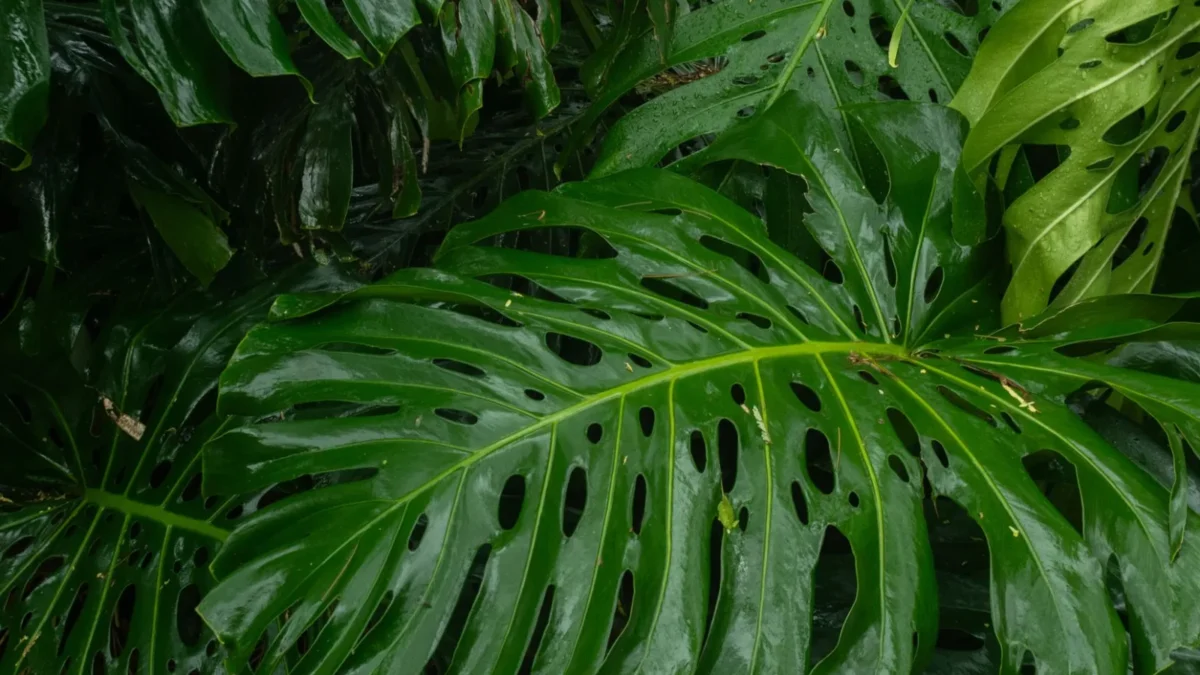
Quick answer: Monsteras rarely flower indoors in most homes because they need specific conditions—particularly high light, stable warmth, and maturity—that typical indoor setups don’t provide. When they do bloom, you’ll see a cream-colored spathe and spadix, similar to other aroids, followed by the plant’s famously edible fruit.
| Botanical name | Monstera deliciosa |
|---|---|
| Light | 6-8 hours bright indirect light daily; tolerates low light but grows faster in bright indirect conditions; avoid direct |
| Watering | Water when top 2-3 inches of soil are dry; every 1-2 weeks typically; summer 7-10 days, winter 2-4 weeks |
| Humidity | Above 50%; ideally 60% or higher; use pebble tray or humidifier; avoid misting |
| Temperature | 65-85°F (18-29°C); avoid temperatures below 55°F (13°C) and cold drafts |
| Soil | Well-draining, chunky mix with perlite and orchid bark; neutral to slightly acidic pH 5.5-7 |
| Feeding | Balanced water-soluble fertilizer every 2-4 weeks during spring and summer growing season |
| Size | Up to 8-10 feet tall indoors; leaves up to 2 feet wide |
| Difficulty | easy |
| Cats | ⚠️ toxic — Calcium oxalate crystals cause mouth irritation, drooling, vomiting |
| Dogs | ⚠️ toxic — Calcium oxalate crystals cause mouth irritation, drooling, vomiting |
Why Monstera flowering is rare indoors
Monstera deliciosa belongs to the Aroid family (Araceae), the same group that includes philodendrons and anthuriums—many of which flower readily. Yet indoor Monsteras flower far less often than their tropical cousins do in the wild. The reason is straightforward: flowering demands a mature plant in peak condition.
Your Monstera must be several years old, well-established, and receiving optimal light and temperature stability. Most indoor growers never see a flower because their plants don’t reach that combination of size, age, and environmental perfection.
When a Monstera does flower indoors, it’s usually because someone has given it consistently bright, indirect light for years, maintains warm temperatures year-round, and provides high humidity and nutrient-rich soil. It’s not impossible—just uncommon.
Light and temperature conditions that trigger blooming
Flowering in aroids is tightly linked to light. Your Monstera needs 6 to 8 hours of bright, indirect light daily to thrive, but triggering flowers typically requires even more consistency and intensity. Specifically, the plant needs 300 to 500 PPFD (photosynthetic photon flux density) delivered for 12 to 14 hours daily to produce fenestrated leaves, and reaching reproductive maturity demands similar sustained brightness.
Placement matters: east or west windows 3 to 5 feet back, or south windows 4 to 6 feet back with sheer curtains, typically deliver the recommended light range. Direct sunlight, especially during peak hours, will scorch leaves, so the goal is bright but filtered light.
Temperature is equally critical. Monstera thrives best in temperatures between 65°F and 85°F (18°C to 29°C). Prolonged exposure to temperatures below 55°F (13°C) can seriously damage the plant, and cold drafts from air conditioning or windows will prevent flowering altogether. Consistency is key—fluctuating temperatures discourage reproductive effort.
Humidity above 50%, ideally 60% or higher, also supports the vigor flowering demands. A pebble tray or small humidifier makes a measurable difference.
What monstera flowers and fruit look like
If your plant does flower, expect a cream-colored spathe (a modified leaf-like bract) wrapped around a central spadix (the actual flower spike). This structure is typical of the Aroid family. After successful pollination (or even without it, indoors), the plant may develop fruit—and here’s the remarkable part: Monstera deliciosa is one of the few aroids that produces edible fruit.
Indoor fruit development is rare and slow, typically taking a year or more to ripen, and pollination by hand is often necessary. But when ripe, the fruit resembles a large pale green pinecone and tastes faintly like a cross between pineapple and banana.
FAQ
Can I make my Monstera flower faster?
No shortcut exists, but you can optimize conditions: maximize light (aim for a bright east or west window), maintain steady warmth between 65°F and 85°F, keep humidity above 50%, and ensure the plant is mature (usually at least 3–5 years old). Feed every 2–4 weeks during spring and summer with a balanced, water-soluble fertilizer to support vigorous growth.
Will an indoor Monstera ever produce edible fruit?
Yes, but it’s extremely rare indoors without hand-pollination. Even with successful pollination, fruit can take over a year to ripen. Most indoor growers never experience it.
Is Monstera flowering a sign the plant is stressed?
No—it’s actually the opposite. Flowering indicates the plant is thriving and has energy reserves to invest in reproduction. Stressed plants focus on survival, not reproduction.
The same problem in other plants
- Snake Plant Flowers: What They Mean and When They Bloom
- Why Isn't Your Kalanchoe Flowering and How to Fix It
- Why Is My Bromeliad Flower Turning Brown and Losing Color?
- Why Is My Anthurium Not Flowering?
Sources
Photo: David Correa Franco / Pexels, Pexels