Kalanchoe Kalanchoe blossfeldiana
Why Your Kalanchoe Isn’t Flowering and How to Fix It
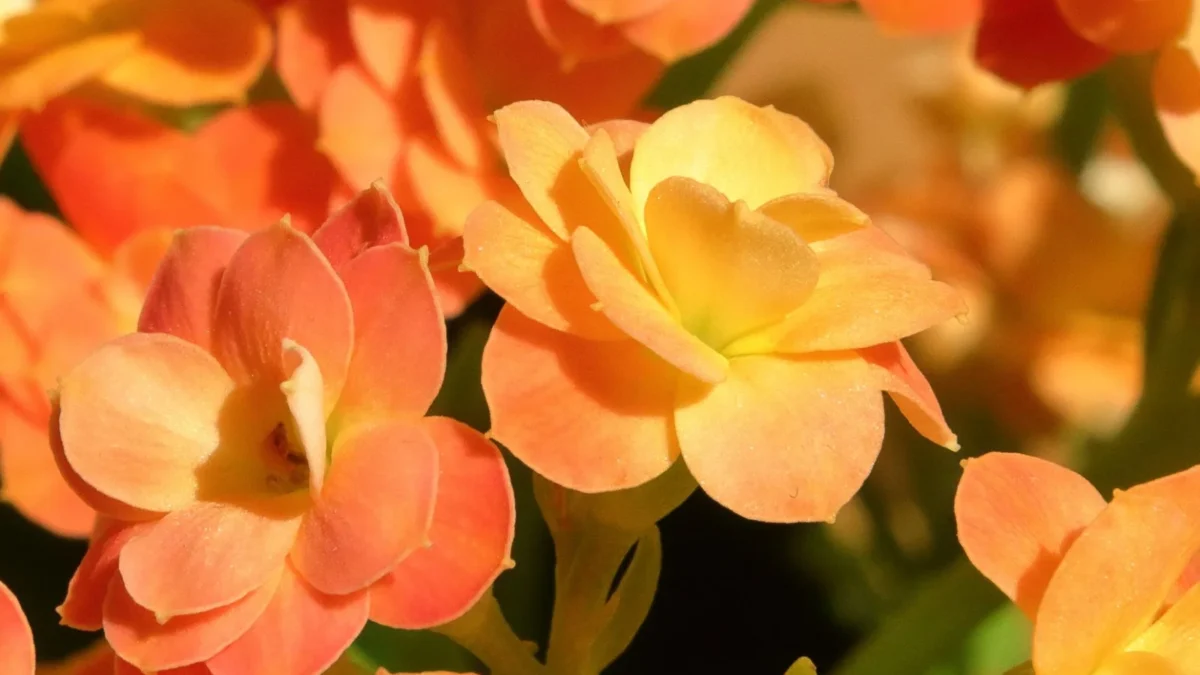
Quick answer: Your kalanchoe isn’t flowering because it lacks winter dormancy, gets too much light year-round, or is kept too warm. Kalanchoes need six weeks of 12–14 hours of daily darkness and cooler nights to form buds; without this trigger, the plant won’t bloom again.
| Botanical name | Kalanchoe blossfeldiana |
|---|---|
| Light | Bright filtered light; avoid bright direct sunlight year-round |
| Watering | Water when soil is dry; every 10-14 days during growth, every 3-4 weeks in winter |
| Humidity | Low humidity; does not require misting; avoid humidity above 90% |
| Temperature | 55°F to 80°F; keep above 40°F; reduce by 5°C in winter |
| Soil | Fast-draining cactus mix or peat-free loam-based compost with added grit |
| Feeding | Balanced liquid fertilizer 2-3 times during growing season at half strength |
| Size | Bushy evergreen succulent to 40cm tall |
| Difficulty | easy |
| Cats | ⚠️ toxic — Bufodienolides cause vomiting, diarrhea, abnormal heart rhythm |
| Dogs | ⚠️ toxic — Bufodienolides cause vomiting, diarrhea, abnormal heart rhythm |
The Critical Role of Winter Darkness
Kalanchoes are photoperiodic, meaning they flower based on day length. To produce flower buds, your plant needs a dedicated rest period: six weeks with 12–14 hours of darkness each day. If your kalanchoe sits under bright room lights or near a lamp all evening, it never receives the signal to bloom. Without this winter darkness reset, even a healthy, mature plant fails to flower.
Start providing this rest period in autumn. Place your kalanchoe in a dimmer room or cover it with a dark cloth for 12–14 hours each night for six weeks. This dormancy triggers flowering reliably.
Light and Temperature: The Other Pieces
While bright filtered light suits kalanchoe year-round, too much direct sunlight year-round actually prevents flowering. Move your plant to bright, indirect light—near a window with a sheer curtain works well.
Temperature also matters. During flowering dormancy, the ideal night temperature is 40–45°F (4–7°C), with daytime reaching around 60°F (16°C). Most homes stay too warm consistently, which stops bud formation. If possible, move your kalanchoe to a cooler room—such as an unheated bedroom or near a cool window—for those six weeks. Even a 5°C drop from your normal growing temperature helps trigger blooms.
Overwatering Stops Flowers Too
Overwatering is a hidden killer of kalanchoe blooms. During the winter dormancy period when you’re reducing light and temperature, cut back watering as well. Water sparingly every 3–4 weeks, only when the soil is completely dry. Squishy, yellowed leaves or soft, mushy stems are signs you’re watering too much, and they prevent flowering.
During the growing season, water when soil is dry—roughly every 10–14 days. Soak the soil fully, then let the top 2 inches dry completely before watering again.
Maintaining Blooms Once They Appear
Once your kalanchoe flowers, excess humidity can damage the blooms. Humidity above 90% or moisture settling on flowers can cause fungal issues like Botrytis petal blight. Keep the plant in a warm room with airflow and avoid misting the flowers. If blight appears, remove affected areas immediately.
After flowering, return to normal warm temperatures and brighter light to refresh the plant. Then repeat the dormancy cycle each winter for reliable blooms year after year.
FAQ
Why are my kalanchoe flowers dying?
Excess humidity above 90% and moisture on petals invite fungal diseases that damage flowers. Move the plant to a warmer, drier spot with better airflow, remove affected flowers, and avoid misting.
How do I keep my kalanchoe blooming longer?
Keep temperatures moderate during dormancy (around 40–45°F at night), reduce watering to every 3–4 weeks, and maintain the 12–14 hour darkness period. Once flowers appear, provide bright indirect light and moderate warmth to extend blooms.
Can I force kalanchoe to flower outside the winter season?
Kalanchoes are naturally winter bloomers and respond to short days and cool temperatures, not to forcing. Attempting to flower them in summer usually fails because daylight is too long and temperatures are too warm, no matter how much you adjust other conditions.
Read the full guide: Kalanchoe Care: The Complete Guide
More about Kalanchoe
The same problem in other plants
- Snake Plant Flowers: What They Mean and When They Bloom
- Will Your Monstera Flower Indoors? What You Need to Know
- Why Is My Bromeliad Flower Turning Brown and Losing Color?
- Why Is My Anthurium Not Flowering?
Sources
- Kalanchoe Blossfeldiana Plant – How to Grow Flowering Kalanchoe
- Our Care-Guide for Flaming Katies! (Kalanchoe Blossfeldiana)
- How Often to Water Kalanchoe? Every 10-14 Days
Photo: Mustafa Akın / Pexels, Pexels