Bromeliad Guzmania
Why Is My Bromeliad Flower Turning Brown and Losing Color?
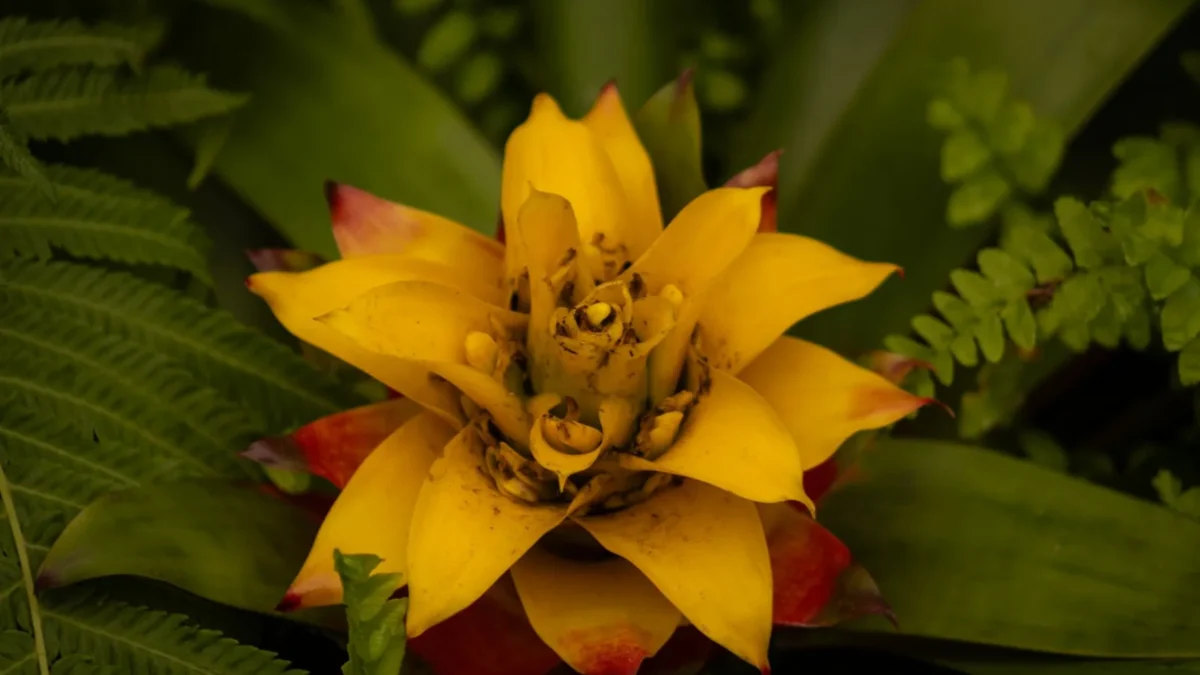
Quick answer: A bromeliad flower turning brown is usually a sign that the bloom is fading naturally after it has finished flowering. This is normal and part of the plant’s life cycle—unfortunately, you cannot stop this process once it starts, but you can extend the bloom’s vibrancy by maintaining ideal growing conditions.
| Botanical name | Guzmania |
|---|---|
| Light | Bright, indirect light; tolerates low light and artificial light |
| Watering | Keep central cup filled ¼ to ½ way; water soil when top dries; empty/refill cup monthly |
| Humidity | High humidity; mist regularly; use pebble tray or humidifier |
| Temperature | Summer 21°C (70°F); cooler 12°C (55°F) when buds form; minimum 10°C (50°F) winter |
| Soil | Peat-free, loam-free, free-draining mix of fine bark, perlite, coir fibre |
| Feeding | Half-strength diluted fertilizer or less |
| Size | 1.00 to 2.00 feet height and spread |
| Difficulty | easy |
Understanding Bromeliad Bracts and Natural Flower Fade
What you see as the colorful “flower” on your bromeliad is actually not a true flower at all. The large, showy display is made up of bracts—modified leaves that surround much smaller true flowers. These bracts typically look vibrant for about two to four months before starting to fade.
Once this period is over, the bracts begin to lose color, turn brown at the tips, become papery, collapse, or dry completely. This is not a sign that you’ve done anything wrong; it’s simply the natural end of the blooming cycle.
Extending Color and Brightness
While you cannot prevent the bracts from eventually turning brown, you can help your bromeliad maintain its vibrant display for as long as possible by providing excellent care.
Light: Keep your bromeliad in bright, indirect light. Bright light encourages the bracts to maintain their color intensity, though intense direct sun may slightly fade the bract color.
Temperature: Once buds form, cooler temperatures of 12°C (55°F) will help the display last longer. Cooler conditions can slow the natural fading process and extend bloom time.
Humidity: Bromeliads thrive in humid conditions. If the air is too dry, leaf tips and edges may brown prematurely. Increase humidity by standing the container on a saucer of damp gravel and misting the leaves regularly with soft water.
Watering: Keep the central cup filled ¼ to ½ way with water at all times. Empty and refill it every month or two so the water doesn’t become stagnant. Use rainwater or tap water that has been allowed to sit for a day or two to remove chlorine and fluorine, which can leave brown spots on leaves.
What Happens After the Flowers Fade
After the bracts turn brown and the bloom display ends, the parent rosette gradually dies back. The plant can take anywhere from a few weeks to several months to die completely. Rather than discarding it, keep the plant growing as long as possible—new baby plants called pups will form at the base of the mother plant and provide for steady renewal.
FAQ
Can I save a bromeliad after the flower starts turning brown?
Unfortunately, once the flower bract starts to fade or turn brown, the plant cannot be saved from its natural decline. However, you can keep it healthy so that pups develop and mature into new flowering plants.
How long do bromeliad flowers stay colorful?
Most bromeliad varieties display their colorful bracts for 1–2 months, though some can last two to four months before fading.
What causes brown spots on the bracts or leaves themselves (not just fading)?
Tap water with high chlorine and fluoride content can leave brown spots on leaves and bracts. Use rainwater or filtered water instead. Overwatering can also cause lower leaves to turn brown and mushy, so allow the soil to dry before watering again.
Read the full guide: Bromeliad Care: The Complete Guide
More about Bromeliad
The same problem in other plants
- Snake Plant Flowers: What They Mean and When They Bloom
- Will Your Monstera Flower Indoors? What You Need to Know
- Why Isn't Your Kalanchoe Flowering and How to Fix It
- Why Is My Anthurium Not Flowering?
Sources
- Guzmania lingulata – Plant Finder
- How to grow bromeliads / RHS Growing Guide
- Bromeliad Plant Care & Complete Growing Guide – Get Busy Gardening
Photo: Diego Martinez / Pexels, Pexels