Peace Lily Spathiphyllum wallisii
Peace Lily Care: The Complete Guide
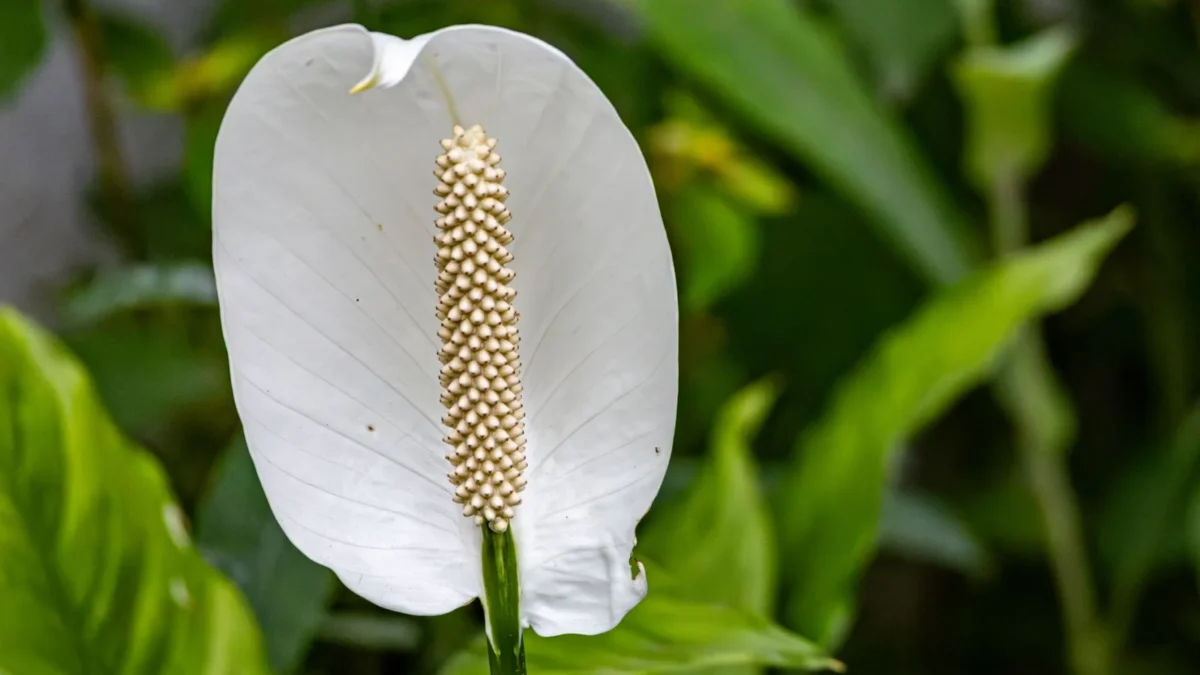
This guide covers everything you need to grow a thriving peace lily indoors, from light and watering to humidity, soil, feeding, and solutions to common issues. Peace lily care is straightforward even for beginners because these plants are forgiving and give clear signals when they need attention—most importantly, they droop visibly when thirsty and recover quickly once watered.
| Botanical name | Spathiphyllum wallisii |
|---|---|
| Light | Bright indirect light; tolerates low light. 6-8 hours indirect exposure ideal |
| Watering | Water when top 1-2 inches of soil dry. Every 4-7 days bright light, 5-9 days medium, 7-12 days low light |
| Humidity | 50-60% ideal; place on tray of moist pebbles |
| Temperature | 65-80°F (18-27°C); avoid below 45°F and cold drafts |
| Soil | Well-draining mix: 2 parts peat moss, 1 part pine bark, perlite, organic compost |
| Feeding | Balanced liquid fertilizer (20-20-20) every 6-8 weeks spring/summer at 1/4 strength |
| Size | 12-15 inches tall (dwarf Wallisii variety) |
| Difficulty | easy |
| Cats | ⚠️ toxic — Calcium oxalates cause oral irritation, burning, drooling, vomiting |
| Dogs | ⚠️ toxic — Calcium oxalates cause oral irritation, burning, drooling, vomiting |
Key points
- Place your peace lily in bright indirect light near a north or east-facing window for 6–8 hours daily; it tolerates low light but grows better with more brightness
- Water when the top 1–2 inches of soil feel dry; frequency ranges from every 4–7 days in bright light to 7–12 days in low light
- Maintain humidity between 50–60% by placing the pot on a tray of moist pebbles and keeping temperatures steady between 65–80°F
- Use a well-draining soil mix of 2 parts peat moss to 1 part pine bark, plus perlite and compost
- Fertilize every 6–8 weeks during spring and summer with a balanced 20-20-20 liquid fertilizer at quarter strength
- Repot once a year, typically during the blooming season
- Keep the plant out of reach if you have cats or dogs, as all parts contain toxic calcium oxalate crystals
Light Requirements for Peace Lilies
Peace lilies prefer bright, indirect light and perform best with 6–8 hours of indirect exposure daily. The ideal indoor spot is near a north or east-facing window, where the plant receives filtered sunlight without harsh direct rays.
These plants are notably tolerant of lower light situations, so they adapt well to offices, bathrooms, or rooms without abundant natural light. However, low light often results in slower growth, fewer white flowers, and soil that stays moist longer. If you notice your peace lily isn’t blooming or the leaves look weak, insufficient light is often the culprit.
Direct sun damages the foliage—too much sun can scorch the leaves, causing unsightly brown spots and overall plant stress. Avoid placing your peace lily in a south-facing window without a sheer curtain to filter the rays.
Watering Your Peace Lily Correctly
The golden rule for peace lily care is to water when the top 1–2 inches of soil feel dry. In bright indirect light, this typically means watering every 4–7 days; in medium light, every 5–9 days; and in low light, every 7–12 days. Growth slows in fall and winter, so the plant uses less water and the soil stays moist longer. During spring and summer, when the plant is actively growing, you will likely water more often.
When you water, soak the soil thoroughly until a small stream drains from the drainage holes—aim for 10–20% runoff. Empty the saucer immediately afterward to prevent standing water, which suffocates roots and leads to drooping or yellow leaves. Overwatering is a common problem that can cause root rot and other diseases.
Using the Right Water
Always use water at room temperature; cold water can shock this tropical plant and reduce its growth. Allow tap water to sit for a while so chlorine can evaporate, or use filtered, distilled, or rainwater instead. Chlorine can cause browning of leaf edges.
The Drooping Signal
Peace lilies have a natural alarm system for thirst: their leaves droop dramatically when the plant runs short of water., This drooping is not a sign of failure—it is actually useful feedback. The plant usually recovers within a few hours after a thorough watering. However, occasional drooping from thirst is normal; if it becomes a regular pattern, your watering schedule may need adjustment.
If your peace lily droops even though the soil is wet or heavy, the problem is likely root stress from overwatering or poor drainage., In this case, let the top inch of soil dry out, improve soil aeration, and always empty water from the saucer.
Humidity and Temperature Needs
Peace lilies thrive in humidity levels between 50–60%, which mimics their natural tropical environment and supports healthy leaf growth and vibrant blooms. One of the simplest ways to maintain this humidity is to place the pot on a tray of moist pebbles.
Temperature is equally important: peace lilies grow best between 65–80°F (18–27°C), a range that aligns well with average room temperatures in most homes. Avoid placing your plant near heating vents or air conditioners, which can quickly dry out the air and stress the plant. The plant cannot withstand temperatures below 45°F or cold drafts.
If your indoor air is particularly dry, consider using a humidifier or misting the leaves regularly. Be aware that low humidity often causes brown tips on the foliage, a problem compounded by chlorine or minerals in tap water.
Soil and Repotting Guide
Peace lilies need a well-draining soil that retains moisture without becoming waterlogged. Standard potting compost works but isn’t ideal straight from the bag because dense, peat-heavy mixes compact over time, reduce airflow to the roots, and hold moisture longer than these plants tolerate.
The Ideal Soil Mix
Create a custom mix using 2 parts peat moss to 1 part pine bark. Add perlite and organic compost to improve drainage and aeration. This ratio prevents root rot while keeping the soil aerated enough for healthy root development.
When and How to Repot
Repot your peace lily once a year, typically during or around the blooming season. Choose a pot that is about 2 inches larger in diameter than the current one and ensure it has drainage holes.
When you divide the plant during repotting (a technique that promotes vigorous growth), water the soil around 12 hours beforehand.,, Remove the plant from its pot and identify the offsets—the smaller versions of the parent plant. Using a clean, sharp knife, cut each offset away from the parent plant until you feel or hear a snap. Gently prise the plant into sections by hand or with a knife, ensuring plenty of roots remain attached to each division. Repot the sections into smaller pots filled with your well-draining soil mix as soon as possible. Higher humidity levels help with the rooting process.
Feeding and Fertilizing
Peace lilies need very little fertilizer. During the spring and summer growing season, use a balanced liquid houseplant fertilizer—such as a 20-20-20 formula—every 6–8 weeks at one-quarter of the recommended strength. Overfertilizing causes the leaf tips and roots to burn and turn brown, so it is better to err on the side of caution.
During fall and winter, when growth slows, you can reduce feeding frequency or pause it altogether. Foliar spray feeds applied fortnightly can help increase the likelihood of repeat flowering.
Pruning and Maintenance
Keep your peace lily looking its best by snipping off dead flowers and old, yellowing leaves. The wide glossy leaves accumulate dust over time, so wipe them regularly with a damp cloth to keep the foliage clean and allow the plant to photosynthesize efficiently.
Propagating Peace Lilies
The main way to propagate a peace lily is by dividing the plant during repotting in spring. This method is straightforward and produces mature, flowering-size plants quickly.
Water the soil about 12 hours before you plan to divide. Remove the plant from its pot and locate the offsets—smaller versions of the parent plant growing from the main root system. Using a clean, sharp knife, carefully cut each offset away from the parent until you feel a snap. Then gently separate the plant into sections using your hands or the knife, ensuring each division has plenty of roots attached. Pot up the divisions immediately in smaller containers filled with well-draining soil mix. Maintain high humidity levels to support the rooting process.
Common Problems and Solutions
Drooping Leaves
Drooping is usually a sign of thirst—simply water thoroughly until 10–20% drains from the holes and never leave standing water in the saucer. The plant will recover within a few hours. If the soil is wet and the plant still droops, the issue is likely root stress from overwatering or compacted soil; let the top inch dry, improve drainage, and empty the saucer.
Yellow Leaves
Yellowing leaves often result from overwatering and standing water, which suffocate the roots and prevent nutrient uptake. Check that your pot has drainage holes, water only when the top 1–2 inches of soil are dry, and never let water sit in the saucer. Improve soil aeration and consider repotting into fresher, well-draining mix if the problem persists.
Brown Tips
Brown tips are most often caused by low humidity or chemicals in tap water. Try using filtered, distilled, or rainwater instead of tap water and increase humidity by misting or using a humidifier. If the brown tips are accompanied by a white crust on the soil, mineral salts have accumulated; switch to distilled or rainwater and flush the pot with water to remove excess salts.
Poor Flowering or Weak Growth
If your peace lily isn’t blooming or the leaves look weak, light is often the problem. Move the plant to a brighter spot with indirect light for at least 6–8 hours daily. Low light conditions naturally slow growth and reduce flowering, so increasing brightness is the best solution.
Root Rot
Root rot develops when the soil stays too wet for too long, suffocating the roots. Prevention is the best cure: water only when the top 1–2 inches of soil are dry, use well-draining soil, and always empty the saucer after watering. If root rot has already developed, repot the plant into fresh, dry soil and trim away any black or mushy roots with a clean knife.
Is Peace Lily Toxic to Pets
Peace lily is toxic to both dogs and cats., All parts of the plant, including the stem and leaves, contain insoluble calcium oxalate crystals. When chewed, these crystals release microscopic needle-like shapes that stab and irritate the tissues they touch.
Symptoms of peace lily poisoning appear quickly in most cases, though they can occasionally take a few hours to develop. Signs include oral irritation, intense burning and irritation of the mouth, tongue, and lips, excessive drooling, vomiting, and difficulty swallowing.,
The good news is that peace lily poisoning, while uncomfortable and distressing, is not in the same category as true lilies and does not cause kidney failure. Still, it is best to keep the plant out of reach of pets to prevent accidental ingestion. If your pet has chewed on or eaten any part of a peace lily and shows symptoms, contact your veterinarian or poison control immediately.
FAQ
How often should I water my peace lily?
Water when the top 1–2 inches of soil feel dry. Frequency depends on light levels: every 4–7 days in bright light, 5–9 days in medium light, and 7–12 days in low light. Growth slows in fall and winter, so watering needs decrease during those seasons.
Can peace lilies grow in low light?
Yes, peace lilies tolerate low light better than many flowering houseplants. However, low light often results in slower growth, fewer white flowers, and soil that stays wet longer. They grow and bloom better in bright indirect light.
What humidity do peace lilies need?
Aim for 50–60% humidity, which mimics their natural environment and supports healthy growth and blooms. Place the pot on a tray of moist pebbles to raise humidity easily.
What is the best temperature for peace lilies?
Peace lilies thrive between 65–80°F (18–27°C). They cannot withstand temperatures below 45°F or cold drafts. Avoid placing the plant near heating vents or air conditioners.
How big do peace lilies grow?
The dwarf Wallisii variety grows 12–15 inches tall. This compact size makes it ideal for shelves, desks, and small spaces.
Why is my peace lily drooping even though the soil is moist?
If the soil is wet and the plant droops, the problem is likely root stress from overwatering or poor drainage rather than thirst., Let the top inch of soil dry, improve soil aeration, and empty the saucer. Consider repotting into fresh, well-draining soil if the problem continues.
More about Peace Lily
Sources
- How Often & How Much to Water a Peace Lily – Gardenia.net
- Spathiphyllum wallisii (Peace lily)
- Spathiphyllum (group) – Plant Finder
Photo: Regan Dsouza / Pexels, Pexels