Peace Lily Spathiphyllum wallisii
Why Is My Peace Lily Drooping? Causes and How to Revive It
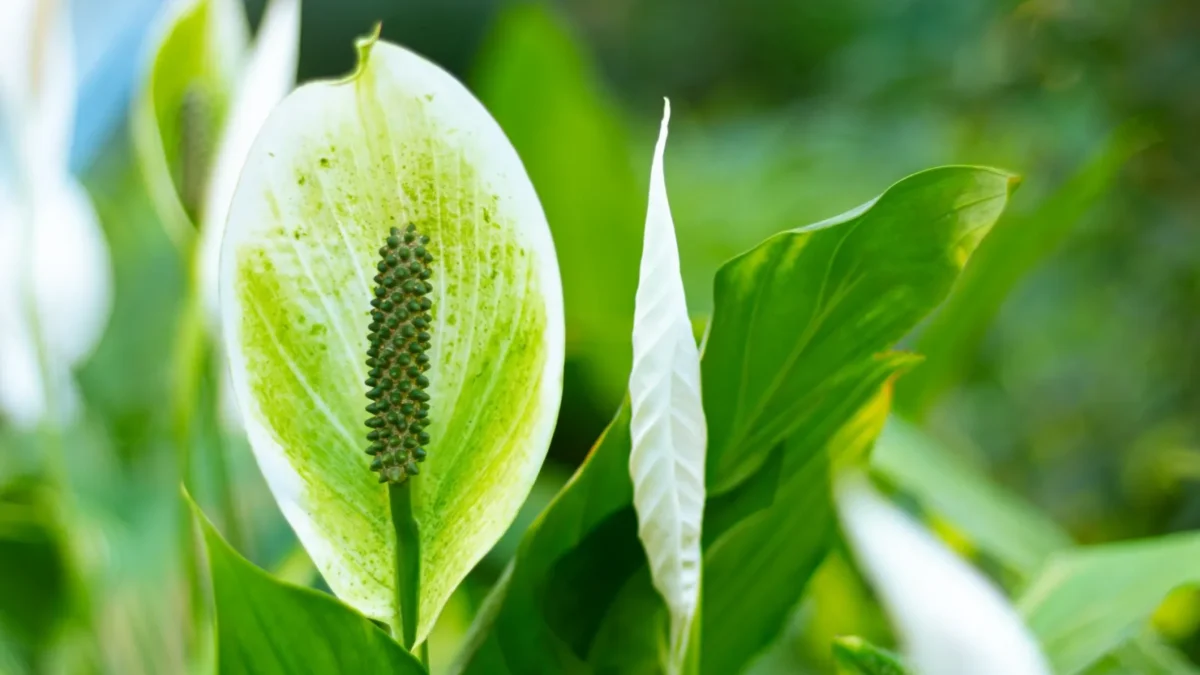
Quick answer: Peace lily drooping is usually a sign of thirst—the plant naturally sags when it needs water and typically recovers within hours of a thorough drink. However, drooping can also signal overwatering, cold temperatures, or low humidity, so diagnosing the cause matters.
| Botanical name | Spathiphyllum wallisii |
|---|---|
| Light | Bright indirect light; tolerates low light. 6-8 hours indirect exposure ideal |
| Watering | Water when top 1-2 inches of soil dry. Every 4-7 days bright light, 5-9 days medium, 7-12 days low light |
| Humidity | 50-60% ideal; place on tray of moist pebbles |
| Temperature | 65-80°F (18-27°C); avoid below 45°F and cold drafts |
| Soil | Well-draining mix: 2 parts peat moss, 1 part pine bark, perlite, organic compost |
| Feeding | Balanced liquid fertilizer (20-20-20) every 6-8 weeks spring/summer at 1/4 strength |
| Size | 12-15 inches tall (dwarf Wallisii variety) |
| Difficulty | easy |
| Cats | ⚠️ toxic — Calcium oxalates cause oral irritation, burning, drooling, vomiting |
| Dogs | ⚠️ toxic — Calcium oxalates cause oral irritation, burning, drooling, vomiting |
| What you see | Likely cause | What to do |
|---|---|---|
| Drooping leaves, dry soil (top 1-2 inches) | Underwatering | Water thoroughly until 10-20% drains from the base; empty the saucer immediately |
| Drooping leaves, wet/heavy soil | Overwatering or poor drainage | Let the top inch of soil dry out; improve drainage or repot into well-draining mix |
| Drooping leaves, cold location near drafts | Cold stress (below 45°F) | Move the plant away from air conditioning, heating vents, and drafts |
| Drooping leaves, low humidity indoors | Low humidity (below 50%) | Place the pot on a tray of moist pebbles; aim for 50-60% humidity |
| Gradual drooping despite watering | Weak light or root problems | Move to brighter indirect light (6-8 hours daily); check for root rot |
| Occasional dramatic droop then recovery | Normal thirst signal | This is your plant’s alarm system—water when the top 1-2 inches feel dry |
Why your peace lily is drooping
Your peace lily has a built-in “alarm system” for thirst. When the plant runs low on water, its leaves droop dramatically—this isn’t damage, it’s communication. The plant usually bounces back within a few hours once watered.
However, occasional thirsty drooping is normal; regular drooping is not. If drooping happens frequently despite your care, investigate other causes.
How to fix drooping caused by underwatering
- Check the soil: press your finger into the top 1-2 inches. If it feels dry, thirst is likely the cause.
- Water thoroughly until water drains from the base—aim for 10–20% runoff—then immediately empty the saucer to prevent standing water.
- Use room-temperature water that has been left to sit so chlorine can evaporate. Cold water can shock this tropical plant.
- Watch for recovery within a few hours. The leaves should perk up as the plant rehydrates.
Watering frequency depends on light and season. In bright indirect light, water every 4–7 days; in medium light, every 5–9 days; in low light, every 7–12 days. Growth slows in fall and winter, so the soil stays moist longer and needs less frequent watering.
How to fix drooping caused by overwatering
If the soil is wet or heavy and the plant is drooping, overwatering or poor drainage is the problem. Standing water suffocates roots, leading to drooping or yellow leaves.
- Stop watering immediately and let the top inch of soil dry out completely.
- Improve drainage: if the pot lacks drainage holes or the soil is dense and compact, repot into a well-draining mix. Use 2 parts peat moss to 1 part pine bark, plus perlite and organic compost.
- Always empty the saucer after watering so water doesn’t sit around the roots.
- In low light, soil dries more slowly, so reduce watering frequency to every 7–12 days.
How to fix drooping caused by cold or low humidity
Cold drafts and low humidity also cause drooping. Peace lilies thrive between 65–80°F (18–27°C). Avoid placing the plant near air conditioning vents, heating units, or windows with cold drafts.
Low humidity—below 50%—makes leaves droop and brown at the tips. Aim for 50–60% humidity by placing the pot on a tray of moist pebbles. In dry indoor air, mist the leaves or use a humidifier.
How to fix drooping caused by poor light
Peace lilies tolerate low light but grow slower and use less water. If the plant is pale, weak, and consistently drooping despite proper watering, it may need more light. Move it to a spot with 6–8 hours of bright, indirect exposure daily. A north or east-facing window is ideal, where the plant receives filtered sunlight without harsh direct rays.
How to prevent peace lily drooping
Check soil moisture before watering: stick your finger into the top 1-2 inches and water only when it feels dry. This single habit prevents most drooping problems. Keep the plant away from cold drafts and temperature extremes below 45°F. Maintain humidity above 50% and provide 6-8 hours of bright, indirect light. Use a well-draining soil mix and never leave water sitting in the saucer. Even one plant crisis is an alarm worth heeding—once you tune in to your peace lily’s signals, drooping becomes rare.
Read the full guide: Peace Lily Care: The Complete Guide
More about Peace Lily
The same problem in other plants
- Why Is My Rubber Plant Drooping and How to Fix It?
- Why Is My Fiddle Leaf Fig Drooping?
- Why Is My Monstera Drooping or Wilting?
Sources
- How Often & How Much to Water a Peace Lily – Gardenia.net
- Spathiphyllum wallisii (Peace lily)
- Peace Lily Care Guide (Spathiphyllum spp. ‘Sweet Pablo’)
Photo: Eduardo Escalante / Pexels, Pexels