Peace Lily Spathiphyllum wallisii
Is Peace Lily Toxic to Cats and Dogs?
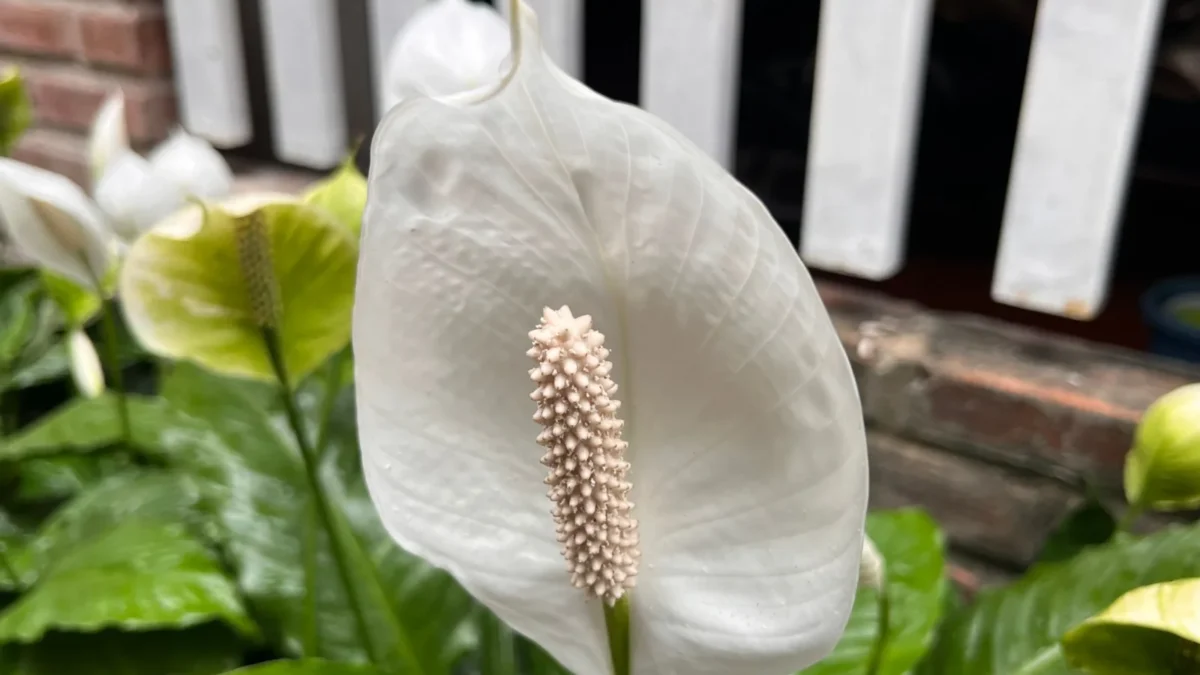
Quick answer: Yes, peace lily is toxic to cats and dogs. If your pet chews the plant, contact your vet or the ASPCA Animal Poison Control Center right away, especially if symptoms appear.
| Botanical name | Spathiphyllum wallisii |
|---|---|
| Light | Bright indirect light; tolerates low light. 6-8 hours indirect exposure ideal |
| Watering | Water when top 1-2 inches of soil dry. Every 4-7 days bright light, 5-9 days medium, 7-12 days low light |
| Humidity | 50-60% ideal; place on tray of moist pebbles |
| Temperature | 65-80°F (18-27°C); avoid below 45°F and cold drafts |
| Soil | Well-draining mix: 2 parts peat moss, 1 part pine bark, perlite, organic compost |
| Feeding | Balanced liquid fertilizer (20-20-20) every 6-8 weeks spring/summer at 1/4 strength |
| Size | 12-15 inches tall (dwarf Wallisii variety) |
| Difficulty | easy |
| Cats | ⚠️ toxic — Calcium oxalates cause oral irritation, burning, drooling, vomiting |
| Dogs | ⚠️ toxic — Calcium oxalates cause oral irritation, burning, drooling, vomiting |
What makes peace lily toxic to pets
Peace lily contains insoluble calcium oxalates found throughout the plant—in the leaves, stems, and all other parts. When a cat or dog chews the plant, these crystals release and act like microscopic needles, stabbing the tissues they touch. This is why even a small amount of plant material can cause discomfort.
Symptoms to watch for if your pet ate peace lily
Symptoms usually appear quickly, though in some cases they can take a few hours to show. Watch for:
- Oral irritation, intense burning and irritation of the mouth, tongue and lips
- Excessive drooling
- Vomiting
- Difficulty swallowing
While peace lily poisoning is uncomfortable and distressing, it’s not in the same category as true lilies—it does not cause kidney failure. Still, any of these symptoms warrant a call to your vet or the ASPCA Animal Poison Control Center immediately.
How to keep your cat or dog safe
The safest approach is to keep peace lily out of reach of pets entirely. Place your plant on a high shelf, in a room your pet doesn’t access, or choose a pet-safe houseplant instead if you have curious cats or dogs in your home.
Read the full guide: Peace Lily Care: The Complete Guide
More about Peace Lily
The same problem in other plants
- Is Calathea Toxic to Cats and Dogs?
- Is Heartleaf Philodendron Toxic to Cats and Dogs?
- Is Fiddle Leaf Fig Toxic to Cats and Dogs?
- Is ZZ Plant Toxic to Cats and Dogs?
Sources
- Toxic and Non-toxic Plants: Peace Lily
- Are Peace Lilies Poisonous To Dogs?
- Is a peace lily toxic to cats and dogs? Contact, not poison
Photo: Serg Alesenko / Pexels, Pexels