Peace Lily Spathiphyllum wallisii
Why Are My Peace Lily Leaves Turning Yellow?
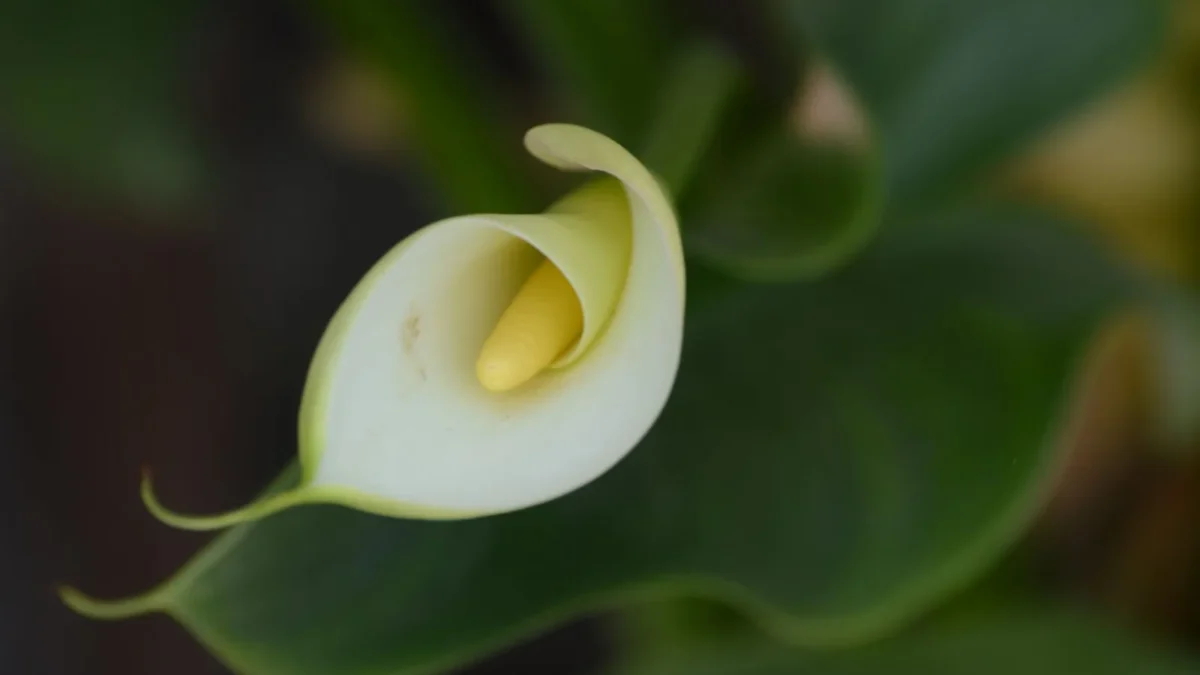
Quick answer: Peace lily leaves turn yellow most often because of overwatering, which leads to root rot and waterlogged soil. Poor light, low humidity, and nutrient deficiency can also cause yellowing. Once you identify the cause, your plant usually recovers quickly.
| Botanical name | Spathiphyllum wallisii |
|---|---|
| Light | Bright indirect light; tolerates low light. 6-8 hours indirect exposure ideal |
| Watering | Water when top 1-2 inches of soil dry. Every 4-7 days bright light, 5-9 days medium, 7-12 days low light |
| Humidity | 50-60% ideal; place on tray of moist pebbles |
| Temperature | 65-80°F (18-27°C); avoid below 45°F and cold drafts |
| Soil | Well-draining mix: 2 parts peat moss, 1 part pine bark, perlite, organic compost |
| Feeding | Balanced liquid fertilizer (20-20-20) every 6-8 weeks spring/summer at 1/4 strength |
| Size | 12-15 inches tall (dwarf Wallisii variety) |
| Difficulty | easy |
| Cats | ⚠️ toxic — Calcium oxalates cause oral irritation, burning, drooling, vomiting |
| Dogs | ⚠️ toxic — Calcium oxalates cause oral irritation, burning, drooling, vomiting |
| What you see | Likely cause | What to do |
|---|---|---|
| Yellow leaves + soft, mushy stems + soil stays wet | Overwatering or poor drainage | Check drainage holes; let the top 1–2 inches of soil dry between waters; empty saucers after watering; repot into well-draining mix if needed |
| Pale yellow leaves + slow growth + weak appearance | Insufficient light | Move plant closer to a north or east-facing window for 6–8 hours of indirect light daily |
| Yellow leaves + brittle edges + overall dullness | Low humidity | Place plant on a tray of moist pebbles; aim for 50–60% humidity; mist leaves or use a humidifier |
| Yellow leaves + green veins visible (interveinal yellowing) | Nutrient deficiency | Feed with balanced liquid fertilizer (20-20-20) at 1/4 strength every 6–8 weeks during spring and summer |
| Yellow leaves + brown tips + plant drooping in wet soil | Cold water or chlorine shock | Use room-temperature, chlorine-free water; allow tap water to sit overnight to let chlorine evaporate |
Overwatering is the most common cause
Peace lilies prefer to dry out slightly between waters. When soil stays soggy, roots cannot breathe and begin to rot. Standing water suffocates the root system, leading to yellowing leaves that may feel soft or mushy at the base.
The fix is simple: water only when the top 1–2 inches of soil feel dry. Frequency depends on your light conditions—every 4–7 days in bright indirect light, 5–9 days in medium light, or 7–12 days in low light. When you do water, soak thoroughly until a small stream drains from the holes (aim for 10–20% runoff), then immediately empty the saucer. Never let your plant sit in standing water.
If your soil compacts easily or stays wet for days, repot into a well-draining mix: 2 parts peat moss, 1 part pine bark, plus perlite and organic compost.
Poor light slows growth and weakens leaves
Yellowing combined with pale, weak-looking foliage often signals insufficient light. Peace lilies tolerate lower light better than most flowering houseplants, but they grow faster and stay healthier in bright, indirect light.
Move your plant to a spot near a north or east-facing window where it receives 6–8 hours of indirect light daily. Avoid direct sun, which scorches leaves and causes brown spots.
In low light, soil dries more slowly, which increases the risk of overwatering—so adjust your watering schedule if you move the plant.
Low humidity and mineral buildup contribute to yellowing
Peace lilies prefer humidity between 50–60% to support healthy leaf growth. When air is dry, leaves lose moisture faster than roots can replace it, resulting in yellowing and brown tips.
Simple fixes include placing the plant on a tray of moist pebbles or misting regularly. Also use room-temperature water that has been left to sit overnight so chlorine can evaporate. If your tap water is hard or mineral-heavy, switch to distilled or filtered water to prevent salt buildup, which also triggers yellowing.
Nutrient deficiency shows as interveinal yellowing
If leaf veins stay green while the tissue between them turns yellow, the plant likely needs feeding. Peace lilies need very little fertilizer, but spring and summer growth demands regular nutrients.
Apply a balanced liquid fertilizer (20-20-20) at 1/4 strength every 6–8 weeks during the growing season. Avoid overfertilizing—it burns leaf tips and roots, turning them brown.
How to prevent yellowing leaves
- Check soil moisture before each watering; water only when the top 1–2 inches are dry
- Place the plant near a north or east-facing window for bright indirect light
- Maintain 50–60% humidity using a pebble tray or humidifier
- Use room-temperature, chlorine-free water
- Feed only during spring and summer at 1/4 strength every 6–8 weeks
- Empty saucers immediately after watering to prevent root rot
Your peace lily is naturally resilient and responds quickly to the right care. Once you correct the cause, healthy new growth usually appears within a few weeks.
Read the full guide: Peace Lily Care: The Complete Guide
More about Peace Lily
The same problem in other plants
- Why Are My Calathea Leaves Turning Yellow?
- Why Are My Heartleaf Philodendron Leaves Turning Yellow?
- Why Are My ZZ Plant Leaves Turning Yellow?
- Why Are My Snake Plant Leaves Turning Yellow?
Sources
- Spathiphyllum (group) – Plant Finder
- Peace Lily Light Requirements: How Much Light Does a Peace Lily Need?
- How Often & How Much to Water a Peace Lily – Gardenia.net
Photo: Astik Tirthesh / Pexels, Pexels