Prayer Plant Maranta leuconeura
Prayer Plant Care: The Complete Guide
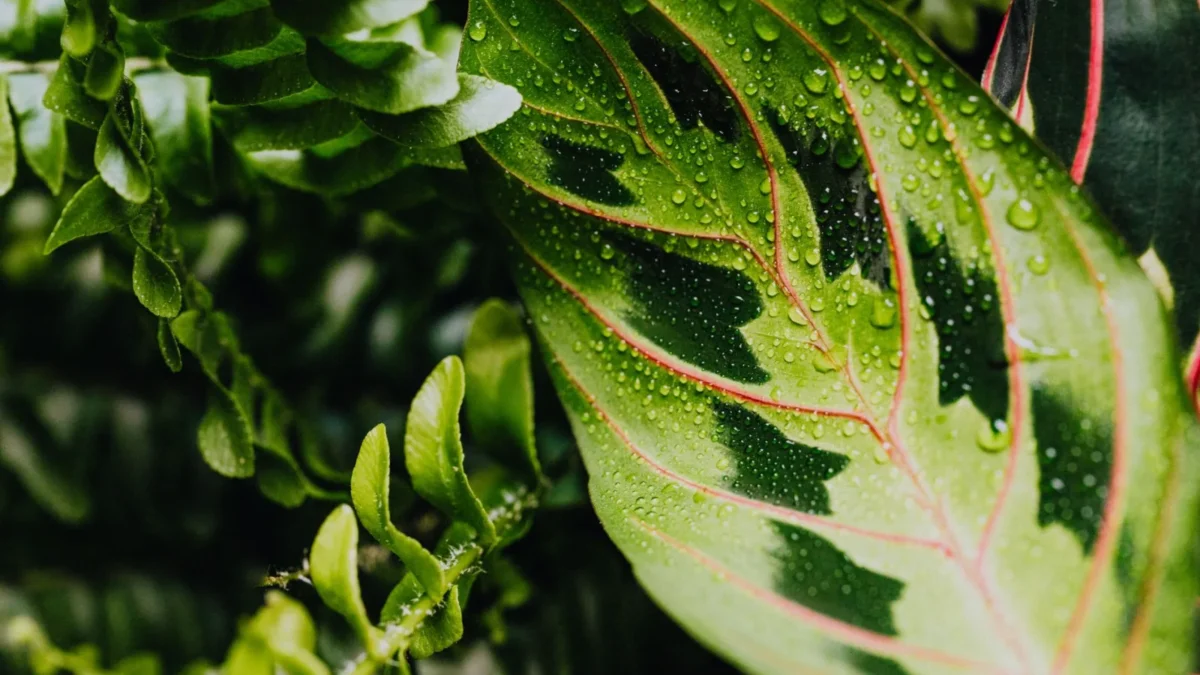
Prayer plant care is straightforward once you understand its needs—this tropical houseplant thrives when you keep soil consistently moist, provide bright filtered light, and maintain high humidity. Prayer plants are low-growing, clump-forming tropical perennials that grow to 12–15 inches tall and wide, with beautiful broad-elliptic leaves featuring striking patterns and lines. The name comes from the plant’s distinctive habit: by day, leaves stay parallel to the ground and fold up into a “prayer” position at night.
| Botanical name | Maranta leuconeura |
|---|---|
| Light | Bright filtered or indirect light |
| Watering | Keep soil consistently moist; reduce moisture autumn to late winter; water every 10-14 days in winter |
| Humidity | High humidity 55-70%; mist or use pebble tray to maintain levels |
| Temperature | 65-80°F (18-27°C); keep above 55°F; avoid cold drafts |
| Soil | Peat-free compost with perlite or orchid bark for drainage; accommodate shallow roots |
| Feeding | Balanced liquid fertilizer monthly during growing season; reduce autumn to late winter |
| Size | 12-15 inches tall and wide |
| Difficulty | easy |
With the right conditions, prayer plant care is easy and rewarding. This guide covers everything you need to know to grow healthy Prayer Plants indoors, from setting up the right light and humidity to troubleshooting common issues.
Key points
- Keep soil consistently moist but not soggy; water every 10–14 days in winter when growth slows
- Provide bright filtered or indirect light—direct sun causes leaves to curl and dry out
- Maintain high humidity of 55–70% using a pebble tray or regular misting
- Use peat-free compost with perlite or orchid bark for drainage, and shallow pots to accommodate roots
- Temperature should stay between 65–80°F; avoid cold drafts and tap water chemicals
- Underwatering and overwatering are the two most common issues—watch for leaf curl and yellowing
Light Requirements for Prayer Plants
Prayer plants need bright filtered or indirect light to thrive. Ideally, they benefit from five to six hours of indirect sunlight daily. This matches their native tropical rainforest habitat, where dappled light filters through the canopy.
Direct sunlight is too intense and will cause problems. When exposed to excessive sunlight, prayer plant leaves curl inward as a protective mechanism to conserve moisture. To find the right spot, place your plant near a window with sheer curtains, or position it several feet back from a bright window so light is filtered rather than direct.
Watering Your Prayer Plant
Keeping Soil Consistently Moist
Prayer plants prefer evenly moist soil but cannot tolerate soggy conditions. During the growing season (spring and summer), water regularly to maintain that balance. The soil should feel moist to the touch but never waterlogged.
In winter or low-light conditions, watering needs drop significantly. Most indoor prayer plants need water only every 10–14 days, sometimes longer depending on temperature and humidity. Reduce soil moisture substantially from autumn to late winter as the plant’s growth naturally slows.
The best way to check if your plant needs water is to feel the top inch of soil. If it feels dry, water thoroughly until water drains from the drainage holes. Make sure your pot has drainage holes—they’re essential for preventing waterlogging.
Watering Problems and Solutions
Underwatering is the most common cause of prayer plant leaf curl. When soil dries out too much between waterings, leaves curl as a sign of distress. Underwatering accounts for 63% of drooping cases, with symptoms including soil pulling away from pot edges, a crusty or cracked soil surface, and wilting appearing within 18–36 hours of complete dryness. When soil dries out completely, leaves curl inward as a defense mechanism to reduce moisture loss, accompanied by browning leaf edges and drooping.
Overwatering is equally problematic. Prayer plants are highly susceptible to root rot when left sitting in water. Waterlogged soil prevents roots from properly absorbing nutrients and oxygen, leading to curling or wilting leaves. Overwatering is a common issue causing wilting, yellowing leaves, and soggy soil that can lead to root rot. Stop watering your plants daily and use well-draining soil to resolve waterlogging.
Water quality matters. Prayer plants are notorious for their dislike of tap water containing fluoride, chlorine, or heavy minerals. Poor water quality can trigger leaf curling. Instead, water your prayer plant using rain or distilled water.
Humidity and Temperature
Humidity Requirements
Prayer plants native to tropical rainforests require high humidity to thrive. Ideally, maintain humidity levels between 55–70%. Levels below 50% trigger leaf curl and brown tips. Low humidity below 50% causes rapid moisture loss through leaves, triggering inward curling and browning edges.
The easiest way to increase humidity is placing your prayer plant’s pot on a tray filled with water and pebbles. As the water evaporates, it raises the humidity in the immediate vicinity of the plant. Alternatively, consider placing the plant in a humidified room and/or mist regularly to maintain high humidity.
Temperature Control
Prayer plants thrive when warm, draft-free air ranges from 65–80°F (18–27°C). They prefer consistent temperatures within this range; sudden temperature swings stress the plant. Keep your plant away from drafts and vents, as these can dehydrate the plant and worsen humidity-related problems.
Keep prayer plants at a location that remains above 55°F at all times; exposure to temperatures colder than this is likely to cause yellowing leaves. In colder conditions, the plant’s metabolic processes slow down, making it vulnerable to leaf curling. Excessive heat can also trigger problems by causing moisture loss through transpiration. Maintain consistent temperatures by keeping plants away from drafty windows, hot radiators, or other sources of extreme temperatures.
Soil and Repotting
Prayer plants have a shallow root system, so they need special consideration when potting. Grow them in peat-free compost in half-pots or pans to accommodate their shallow roots. Peat-free compost is the right choice for growing prayer plants under glass.
Drainage is critical. Prayer plants cannot tolerate soil that retains too much water or becomes compacted, as this limits oxygen availability to roots and promotes root rot. Improve drainage by adding perlite or orchid bark to your potting mix. These amendments keep soil loose and airy, allowing roots to breathe.
Repot your prayer plant when it becomes rootbound or if you notice signs of poor soil—usually every 12–18 months during spring. Use fresh peat-free compost with added perlite or orchid bark to maintain proper drainage.
Feeding and Fertilizer
During the growing season (spring and summer), fertilize your prayer plant monthly with a balanced liquid fertilizer. Substantially reduce fertilizer applications from autumn to late winter when growth naturally slows.
Be cautious with fertilizer amounts. Too much fertilizer can burn the roots of your plant or lead to root rot. When this happens, excess chemicals and nutrients in the soil harm the plant—repotting it in new soil is the first step in recovery.
If your prayer plant develops yellow leaves and you suspect nutrient deficiency, particularly iron deficiency (chlorosis), a dose of liquid iron fertilizer mixed per package directions can help correct the problem, provided the pH of your medium is around 6.0.
Pruning and Maintenance
Prayer plants require minimal pruning. Simply remove any dead or damaged leaves to keep the plant looking neat. The plant naturally maintains its compact, mounding shape without much intervention. Regular misting or wiping leaves with a soft, damp cloth helps keep them clean and can help prevent pest infestations.
Propagation Methods
Prayer plants can be propagated by division or basal cuttings. Division works well if your plant has become large and has multiple stems. Carefully separate sections with their own roots and pot them into fresh peat-free compost. Keep the soil consistently moist until new growth appears, which signals that roots have established.
Alternatively, take basal cuttings from healthy stems and root them in moist peat-free compost or water. Keep cuttings in warm, humid conditions with bright filtered light to encourage rooting. This usually takes several weeks.
Common Problems and Solutions
Leaf Curl
Leaf curl in prayer plants is almost always a sign of water stress. In over 90% of cases, the root cause is either underwatering (most common) or root suffocation from overwatering in poorly draining soil. Check your watering routine and soil drainage. Additionally, low humidity below 50% causes leaf curling, so ensure you’re maintaining 55–70% humidity through misting or a pebble tray. Excessive light can also trigger leaf curl—move the plant away from direct sun. Poor water quality and temperature stress below 60°F can also cause this symptom.
Yellowing Leaves
The most frequent cause of prayer plant yellow leaves is overwatering. Too much water prevents roots from getting needed air circulation and can promote fungal growth, causing leaves to yellow and eventually drop. Allow the soil to dry out slightly between waterings and use pots with drainage holes.
Yellowing can also result from underwatering—when potting soil dries out, your plant can’t absorb minerals and water, and the lack of water causes chlorophyll breakdown. Check if the soil is pulling away from the pot edges or feels hard and crusty, which signals underwatering.
Nutrient deficiency, particularly iron deficiency (chlorosis), slowly depletes plant health over time. Poor water quality containing excessive mineral salts, fluorine, chlorine, and heavy metals also affects mineral absorption and causes yellow leaves. Switch to rain or distilled water and consider a balanced fertilizer application during the growing season.
Brown Leaf Tips and Edges
Brown, crispy edges usually signal low humidity or sensitivity to tap water chemicals like fluoride and chlorine. Increase humidity to 55–70% using a pebble tray or regular misting, and switch to rain or distilled water instead of tap water.
Drooping and Wilting
Underwatering accounts for 63% of drooping cases in prayer plants. When soil dries out, the plant wilts as it cannot absorb water. Water your plants when the soil dries out and ensure water has saturated all the soil.
Overwatering causes drooping too. When excess water waterloggs the soil, the plant’s roots start to rot and become ineffective in absorbing water. Prayer plants also droop under low humidity conditions; under low humidity, droopy leaves can later turn yellow. Finally, sudden temperature drops below 60°F can shock the plant, causing leaves to fold or droop. Keep plants away from cold drafts and maintain warmth.
Leaf Spot
Helminthosporium leaf spot is a fungal disease that causes small, water-soaked spots on prayer plant leaves. These spots soon yellow and spread, eventually becoming tan areas with yellow halos. This fungus takes hold when plants are chronically over-irrigated and leaves frequently are covered in standing water. Correct the irrigation problem and water only at the base of the plant in the morning so water evaporates from splashed surfaces quickly. An application of neem oil or the fungicide chlorothalonil can kill active disease.
Pests
Watch for spider mites, mealybugs, and thrips on prayer plants. These pests thrive in low-humidity conditions, so maintaining high humidity of 55–70% helps prevent infestations. Check leaves regularly, especially the undersides, and treat infestations promptly with appropriate pesticides or neem oil.
Root Rot
Root rot may occur in poorly drained soil conditions. Prevent it by using well-draining peat-free compost with perlite or orchid bark, ensuring pots have drainage holes, and avoiding overwatering. If root rot occurs, repot the plant into fresh soil immediately and adjust your watering routine.
FAQ
Is prayer plant toxic to cats and dogs?
Maranta leuconeura is listed by the ASPCA as non-toxic to cats, dogs, and horses. You can safely grow this plant in homes with pets without worry.
How often should I water my prayer plant?
Keep soil consistently moist during the growing season. In winter or low-light conditions, most indoor prayer plants need water only every 10–14 days, depending on temperature and humidity. Always check that the soil feels moist but never soggy.
Can prayer plants live in low light?
No. Prayer plants require bright filtered or indirect light to thrive. Without adequate light, they will decline. Place them near a window with sheer curtains or several feet back from a bright window.
Why are my prayer plant leaves curling?
Leaf curl usually results from water stress (either too much or too little water), low humidity below 50%, excessive light, or temperature fluctuations below 60°F. Check your watering routine, increase humidity to 55–70%, move the plant away from direct sun, and ensure consistent warm temperatures.
What humidity level do prayer plants need?
Prayer plants thrive in humidity of 55–70%. Humidity below 50% triggers leaf curl and brown tips. Use a pebble tray, misting, or place the plant in a naturally humid room like a bathroom to maintain these levels.
Can I use tap water for my prayer plant?
No. Prayer plants are notorious for their dislike of tap water containing fluoride, chlorine, or heavy minerals. Use rain or distilled water instead to prevent leaf browning and curling.
More about Prayer Plant
Sources
- Maranta leuconeura – Plant Finder
- Why Is My Prayer Plant Leaves Curling? Fix It Fast
- Drooping Wilting Prayer Plant Leaves: Causes & Fixes – LifeTips
Photo: https://kaboompics.com/ / Pexels, Pexels