Prayer Plant Maranta leuconeura
Why Are My Prayer Plant Leaves Turning Yellow? Complete Solutions
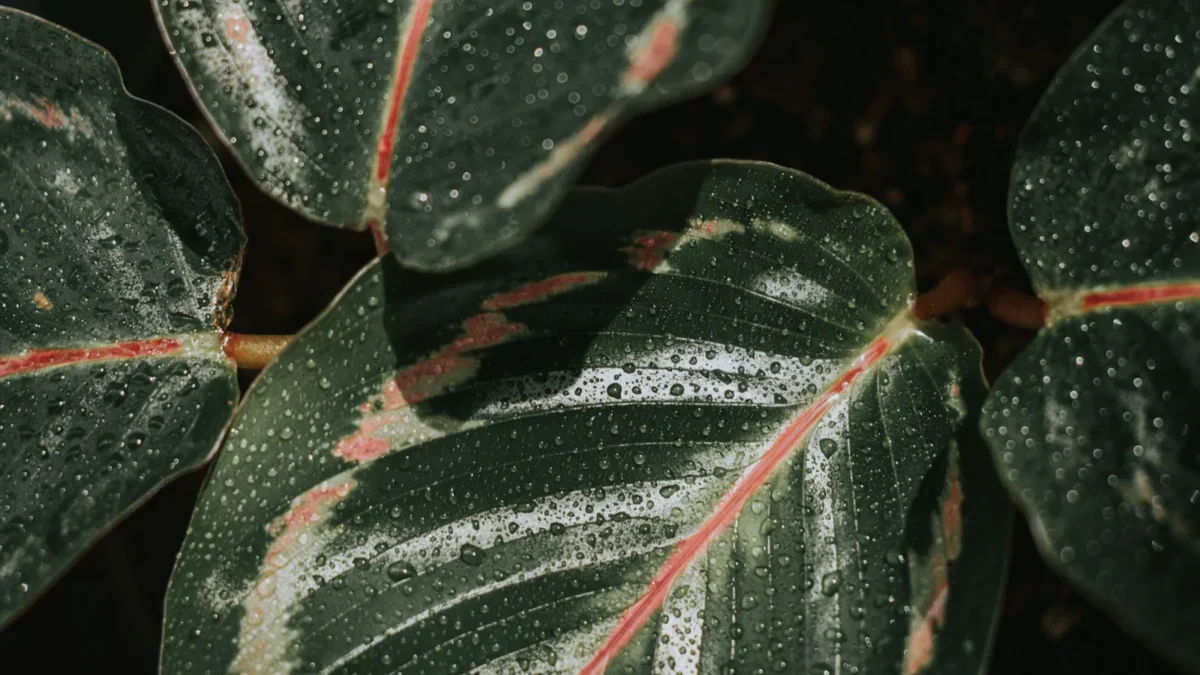
Quick answer: Prayer plant leaves turn yellow most often from overwatering, which suffocates roots and promotes root rot. Less common causes include underwatering, low humidity, temperature stress, nutrient deficiency, or poor water quality. Fix it by adjusting your care routine—most yellowing is reversible if caught early.
| Botanical name | Maranta leuconeura |
|---|---|
| Light | Bright filtered or indirect light |
| Watering | Keep soil consistently moist; reduce moisture autumn to late winter; water every 10-14 days in winter |
| Humidity | High humidity 55-70%; mist or use pebble tray to maintain levels |
| Temperature | 65-80°F (18-27°C); keep above 55°F; avoid cold drafts |
| Soil | Peat-free compost with perlite or orchid bark for drainage; accommodate shallow roots |
| Feeding | Balanced liquid fertilizer monthly during growing season; reduce autumn to late winter |
| Size | 12-15 inches tall and wide |
| Difficulty | easy |
| What you see | Likely cause | What to do |
|---|---|---|
| Yellow leaves, soggy soil | Overwatering | Let soil dry slightly between waterings; use pots with drainage holes; repot in fresh, well-draining soil if root rot is severe |
| Yellow leaves, dry soil | Underwatering | Water when top inch of soil feels dry; ensure water penetrates all the soil |
| Yellow leaves with brown edges | Low humidity | Mist regularly or place pot on a tray of wet pebbles to raise humidity to 55–70% |
| Yellow leaves, small tan spots with yellow halos | Fungal leaf spot | Water only at the base in the morning; apply neem oil or fungicide; remove affected leaves |
| Yellow leaves, small spots and webbing | Spider mites or pests | Isolate plant; inspect undersides of leaves; spray with insecticidal soap or neem oil |
| Yellow leaves throughout growing season | Nutrient deficiency or poor water quality | Use balanced liquid fertilizer monthly during growing season; switch to rain or distilled water |
How overwatering causes yellow leaves
Overwatering is the leading cause of yellowing in prayer plants. When soil stays wet for too long, roots cannot get the oxygen they need and become suffocated, which promotes fungal growth and prevents nutrient absorption. The leaves gradually turn yellow and may eventually drop. Prayer plants prefer evenly moist soil but cannot tolerate soggy conditions.
To fix overwatering:
- Let the top inch of soil dry out between waterings before adding more water
- Always use pots with drainage holes
- In winter or low-light conditions, reduce watering significantly—most prayer plants need water only every 10–14 days
- If root rot is severe, repot the plant in fresh, well-draining soil
- Mix perlite or orchid bark into dense potting soil to improve drainage
Other common causes of yellow leaves
Underwatering prevents roots from absorbing water and minerals. When the soil dries out completely, the breakdown of chlorophyll causes leaves to turn yellow. Water your plant when soil feels dry to the touch and ensure water saturates all the soil.
Low humidity below 50% triggers rapid moisture loss through the leaves, which can cause yellowing along with brown, crispy edges. Prayer plants need humidity between 55–70%. Maintain this by misting regularly or placing the pot on a tray filled with water and pebbles—as the water evaporates, it raises humidity around the plant.
Temperature stress causes yellowing. Keep your prayer plant between 65–80°F (18–27°C) and avoid temperatures below 55°F. Cold drafts from windows, radiators, or vents make the problem worse.
Nutrient deficiency, especially iron deficiency (chlorosis), slowly causes yellow or off-color leaves as the soil becomes depleted. Fertilize monthly during the growing season with a balanced liquid fertilizer, then substantially reduce feeding from autumn to late winter. If iron deficiency is suspected, a dose of liquid iron fertilizer mixed per package directions can help, provided soil pH is around 6.0.
Poor water quality with high chlorine, fluoride, or mineral content affects nutrient absorption and triggers yellowing. Water your prayer plant with rain or distilled water instead of tap water.
Fungal leaf spot causes small water-soaked spots that turn yellow with tan centers and yellow halos. This fungus spreads when plants are chronically overwatered and leaves sit wet. Water only at the base of the plant in the morning so surfaces dry quickly.
Pests like spider mites, mealybugs, and thrips can cause yellowing. Inspect the undersides of leaves and isolate the plant if pests are present.
How to prevent yellow leaves
Consistent care prevents most yellowing. Keep soil evenly moist but never soggy. Provide bright, indirect light. Maintain humidity at 55–70% using a pebble tray or misting. Keep temperatures steady between 65–80°F (18–27°C). Use peat-free compost with perlite or orchid bark to accommodate the plant’s shallow roots and ensure good drainage. Water with rain or distilled water, and fertilize monthly during the growing season but reduce feeding in autumn and winter.
Read the full guide: Prayer Plant Care: The Complete Guide
More about Prayer Plant
The same problem in other plants
- Why Are My Parlor Palm Leaves Turning Yellow?
- Why Are My Dieffenbachia Leaves Turning Yellow?
- Why Are My Chinese Evergreen Leaves Turning Yellow?
- Why Are My Money Tree Leaves Turning Yellow?