Prayer Plant Maranta leuconeura
Why Are My Prayer Plant Leaves Curling? Causes and Fixes
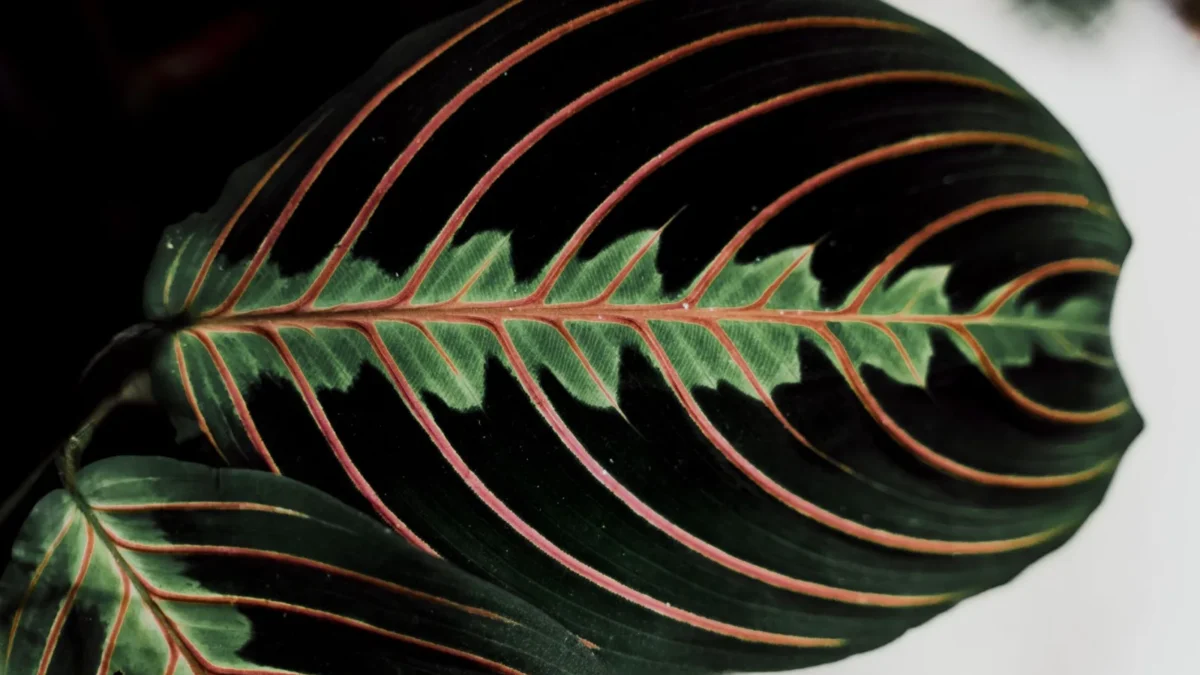
Quick answer: Prayer plant leaves curl inward most often due to underwatering, low humidity, or both. The plant may also curl its leaves in response to temperature stress, excessive light, or poor water quality. Each cause has a straightforward fix.
| Botanical name | Maranta leuconeura |
|---|---|
| Light | Bright filtered or indirect light |
| Watering | Keep soil consistently moist; reduce moisture autumn to late winter; water every 10-14 days in winter |
| Humidity | High humidity 55-70%; mist or use pebble tray to maintain levels |
| Temperature | 65-80°F (18-27°C); keep above 55°F; avoid cold drafts |
| Soil | Peat-free compost with perlite or orchid bark for drainage; accommodate shallow roots |
| Feeding | Balanced liquid fertilizer monthly during growing season; reduce autumn to late winter |
| Size | 12-15 inches tall and wide |
| Difficulty | easy |
| What you see | Likely cause | What to do |
|---|---|---|
| Curled leaves, dry soil pulled from pot edges, brown leaf edges | Underwatering | Water when soil starts to dry; ensure water saturates all the soil |
| Curled leaves, yellow leaves, soggy soil | Overwatering | Allow soil to dry out between waterings; use pots with drainage holes |
| Curled leaves, brown crispy edges, no other symptoms | Low humidity | Use a pebble tray or mist the plant regularly |
| Curled leaves, especially after cold exposure | Temperature stress or cold drafts | Move plant away from drafts; keep temperature between 65–80°F (18–27°C) |
| Curled leaves with no obvious soil or humidity issue | Excessive light or poor water quality | Provide bright filtered or indirect light; use rainwater or distilled water |
Underwatering (most common cause)
When you let the soil dry out too much between waterings, your prayer plant curls its leaves as a defense mechanism to reduce moisture loss. The plant also typically shows browning leaf edges and drooping. Keep the soil consistently moist, and in winter or low-light conditions, water every 10–14 days, sometimes longer depending on temperature and humidity.
To fix an underwatered plant:
- Water thoroughly until water drains from the bottom
- Ensure all soil is saturated
- Check the soil moisture regularly—it should feel evenly moist, not dry
- Reduce watering frequency in autumn and winter
Overwatering and humidity problems
Overwatering is also a common cause of prayer plant leaf curl; these plants are highly susceptible to root rot when left sitting in water, and waterlogged soil prevents roots from properly absorbing nutrients, leading to curling or wilting leaves. Prayer plants prefer evenly moist soil but cannot tolerate soggy conditions.
Prayer plants native to tropical rainforests thrive in 60–70% humidity; levels below 50% trigger leaf curl and brown tips. If your air is dry, curling often happens alongside humidity stress.
To fix both issues:
- Stop watering every day and use well-draining soil
- Mix in perlite or coarse sand to improve aeration
- Place the pot on a tray filled with water and pebbles; as the water evaporates, it raises humidity around the plant
- Consider standing the pot in a tray of wet pebbles or placing the plant in a humidified room
- Ensure pots have drainage holes so excess water escapes
Temperature, light, and water quality
In colder conditions, the plant’s metabolic processes slow down, making it vulnerable to leaf curling; excessive heat can also trigger leaf curling through moisture loss. Prayer plants thrive when warm, draft-free air ranges from 65–80°F (18–27°C). Keep your plant away from drafts and vents, as these can further dehydrate the plant.
When subjected to too much light, leaves tend to curl inward to protect themselves and conserve moisture. Bright filtered or indirect light is best.
Poor water quality with high chlorine or fluoride content can trigger leaf curl. Water your prayer plant regularly using rain or distilled water, but don’t let water accumulate around the roots.
Preventing leaf curl
Maintain stable conditions for the healthiest foliage. Prayer plants thrive when conditions remain stable: consistent moisture in the root zone, high atmospheric humidity (55–70% RH), indirect but bright light, and warm, draft-free air (65–80°F / 18–27°C). Check the soil before watering—it should feel moist but not waterlogged. Use peat-free compost with perlite or orchid bark for good drainage, and avoid sudden temperature changes or exposure to cold drafts.
Read the full guide: Prayer Plant Care: The Complete Guide
More about Prayer Plant
The same problem in other plants
- Why Are My Satin Pothos Leaves Curling?
- Why Are My Philodendron Birkin Leaves Curling?
- Why Are My Hoya Kerrii Leaves Curling?
- Why Are My Bird of Paradise Leaves Curling?
Sources
- Why Is My Prayer Plant Leaves Curling? Fix It Fast
- Why Are My Prayer Plant Leaves Curling
- Maranta leuconeura – Plant Finder
Photo: David Bartus / Pexels, Pexels