Prayer Plant Maranta leuconeura
Why Is My Prayer Plant Drooping? Causes and Recovery Steps
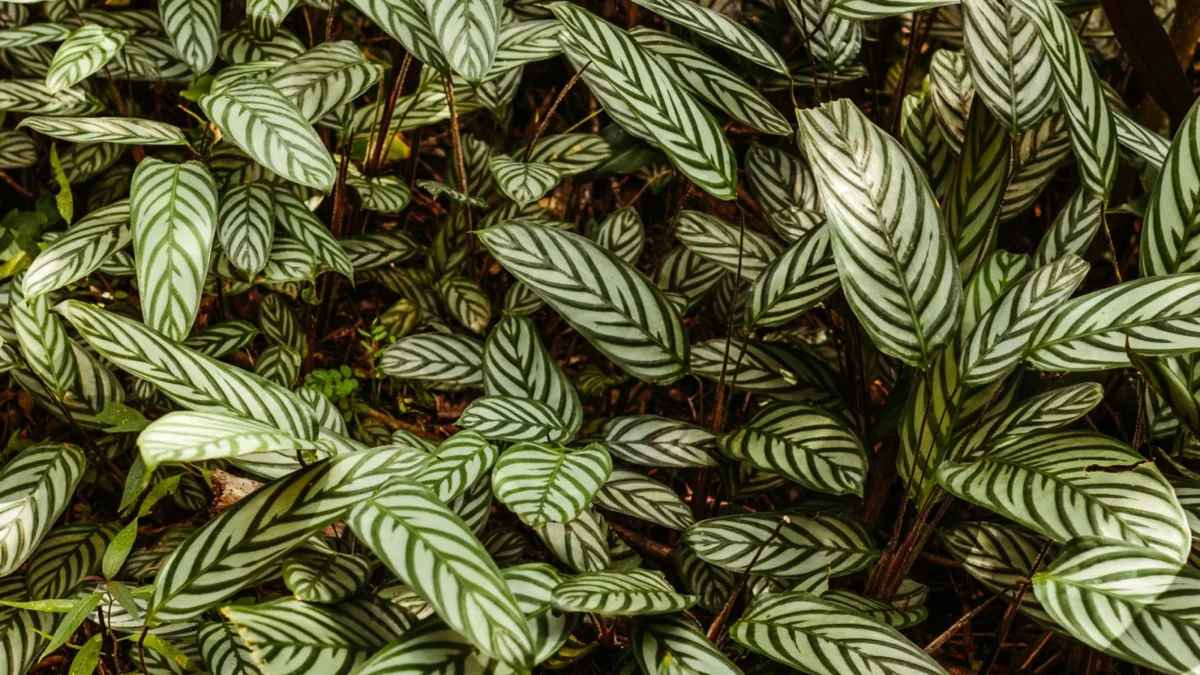
Quick answer: Prayer plant drooping is almost always caused by underwatering or overwatering. Check your soil moisture and humidity levels, then adjust your watering schedule and increase humidity to 55–70% to bring your plant back to health.
| Botanical name | Maranta leuconeura |
|---|---|
| Light | Bright filtered or indirect light |
| Watering | Keep soil consistently moist; reduce moisture autumn to late winter; water every 10-14 days in winter |
| Humidity | High humidity 55-70%; mist or use pebble tray to maintain levels |
| Temperature | 65-80°F (18-27°C); keep above 55°F; avoid cold drafts |
| Soil | Peat-free compost with perlite or orchid bark for drainage; accommodate shallow roots |
| Feeding | Balanced liquid fertilizer monthly during growing season; reduce autumn to late winter |
| Size | 12-15 inches tall and wide |
| Difficulty | easy |
| What you see | Likely cause | What to do |
|---|---|---|
| Soil pulled away from pot edges, surface crusty or cracked, wilting within 18–36 hours | Underwatering | Water thoroughly until moisture saturates all the soil |
| Soggy soil, yellowing leaves, wilting despite wet conditions | Overwatering and poor drainage | Stop daily watering; repot with perlite or orchid bark to improve drainage |
| Drooping leaves with brown, crispy edges but moist soil | Low humidity below 50% | Set up a pebble tray with water or mist regularly to reach 55–70% humidity |
| Leaves curled inward, edges brown despite watering | Humidity below 50% or tap water chemicals | Use rainwater or distilled water; increase humidity with a pebble tray |
| Drooping after cold exposure or near drafts | Temperature shock or cold stress | Move away from drafts and vents; keep between 65–80°F (18–27°C) |
| Wilting with otherwise healthy soil | Excessive direct light causing moisture loss | Move to bright filtered or indirect light |
Underwatering: The Most Common Cause
Underwatering accounts for 63% of Prayer Plant drooping cases. When the soil dries out completely, your plant cannot absorb water and nutrients, causing leaves to wilt and curl inward as a defense mechanism.
To fix it, water your Prayer Plant thoroughly when the soil dries out, making sure moisture saturates all the soil. In winter or low-light conditions, most Prayer Plants need water only every 10–14 days, sometimes longer depending on temperature and humidity. During the growing season, keep the soil consistently moist but not soggy.
Overwatering and Drainage Problems
While less common than underwatering, overwatering is still a major issue. Prayer Plants cannot tolerate soggy conditions, and waterlogged soil prevents roots from absorbing nutrients and oxygen, leading to root rot. Symptoms include wilting, yellowing leaves, and a foul smell from the soil.
To recover your plant, stop watering daily and allow the soil to dry slightly between waterings. Repot into fresh, well-draining soil mixed with perlite or orchid bark to improve aeration. Use a pot with drainage holes, and use peat-free compost to accommodate the plant’s shallow roots.
Low Humidity and Temperature Issues
Prayer Plants thrive in 55–70% humidity. When humidity drops below 50%, leaves curl inward, brown at the edges, and droop. The easiest way to fix this is to place the pot on a tray filled with water and pebbles, allowing evaporation to raise humidity in the plant’s immediate surroundings.
Temperature is equally important. Keep your Prayer Plant between 65–80°F (18–27°C); sudden temperature drops below 60°F or cold drafts can shock the plant and cause drooping. Keep it away from drafty windows, radiators, and vents.
Water Quality and Light
Prayer Plants are notorious for disliking tap water with fluoride and chlorine. Switch to rainwater or distilled water to prevent chemical buildup that triggers leaf curl and drooping.
Too much direct light causes leaves to wilt as they try to conserve moisture. Bright filtered or indirect light is best for your Prayer Plant.
Preventing Future Drooping
Maintain stable conditions to keep your Prayer Plant healthy: consistent moisture in the root zone, high humidity (55–70%), indirect bright light, and warm, draft-free air at 65–80°F (18–27°C). Fertilize monthly with a balanced liquid fertilizer during the growing season, but reduce both watering and feeding from autumn to late winter. Check the soil with your finger before watering—it should feel evenly moist, never soggy or bone-dry.
FAQ
What does healthy Prayer Plant drooping look like?
Healthy Prayer Plants fold their leaves into a perpendicular “prayer” position at night as a natural movement. This is normal and not a sign of problems—leaves should flatten again by day.
Can Prayer Plant recover from overwatering?
Yes, if you act quickly. Stop watering, repot the plant in fresh, well-draining soil with perlite, and use a pot with drainage holes. The plant may take weeks to recover, but it can bounce back if the roots haven’t completely rotted.
Read the full guide: Prayer Plant Care: The Complete Guide
More about Prayer Plant
The same problem in other plants
- Why Is My Philodendron Birkin Drooping?
- Why Is My Arrowhead Plant Drooping? Causes and Quick Fixes
- Why Is My Chinese Evergreen Drooping?
- Why Is My Dracaena Marginata Drooping and Dropping Leaves?
Sources
- Maranta leuconeura – Plant Finder
- Why Is My Prayer Plant Leaves Curling? Fix It Fast
- Prayer Plants Drooping?: Learn the Causes and How to Fix Them – HubPages
Photo: Jonathan Borba / Pexels, Pexels