Rattlesnake Plant Calathea lancifolia
Rattlesnake Plant Care: The Complete Guide
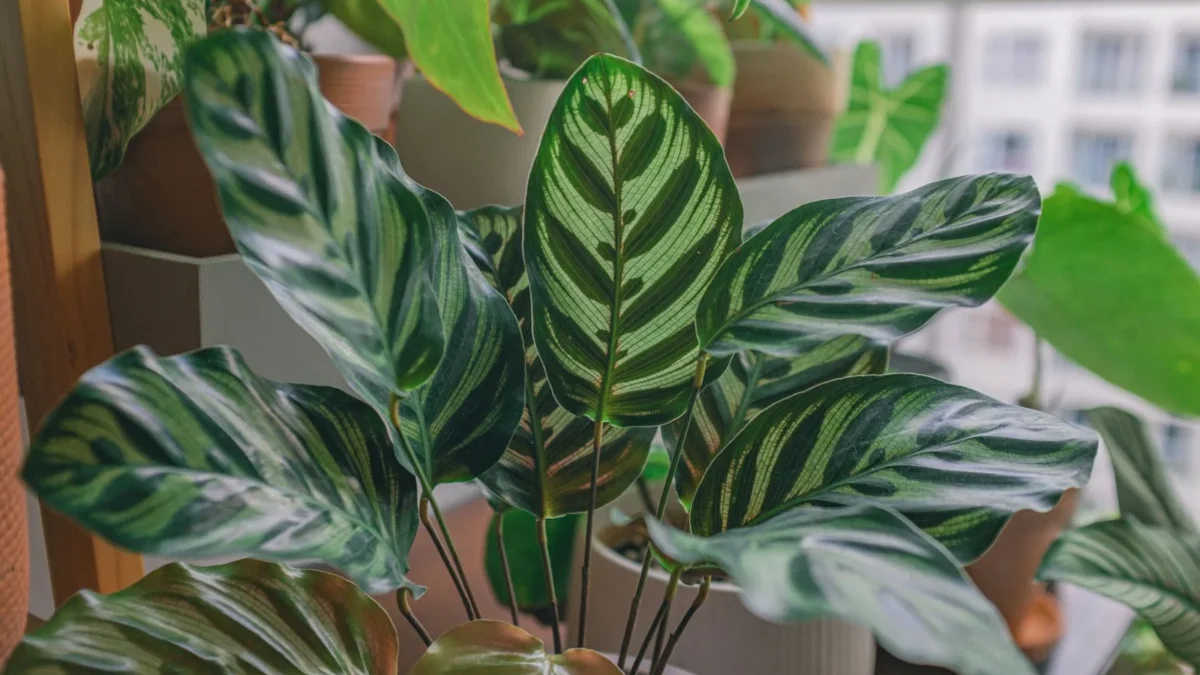
The Rattlesnake Plant (Calathea lancifolia) is a striking tropical houseplant prized for its distinctive patterned foliage, but it’s no beginner’s plant. This guide covers everything you need to know about rattlesnake plant care, from creating the right growing conditions to fixing problems before they take hold. With consistent attention to humidity, water, and light, you’ll have a healthy, vibrant plant that rewards your effort with beautiful foliage.
| Botanical name | Calathea lancifolia |
|---|---|
| Light | Bright indirect light; avoid full sun; tolerates early morning or diffused sun |
| Watering | Water when top inch of soil is dry; roughly 5–7 days in summer, 10–14 days in winter |
| Humidity | High humidity; aim for at least 50–60%; use humidifier or pebble tray |
| Temperature | 65–75°F (18–25°C) day; not below 60°F (15°C) night; avoid drafts and temperature extremes |
| Soil | Well-draining, peaty potting mix; peat moss, perlite, and regular potting soil blend |
| Feeding | Balanced fertilizer monthly April–August; reduce in winter |
| Size | 1.5 feet tall indoors |
| Difficulty | demanding |
| Cats | ✓ non-toxic |
| Dogs | ✓ non-toxic |
Key points
- Water when the top inch of soil is dry—roughly every 5–7 days in summer and 10–14 days in winter
- Maintain at least 50–60% humidity using a humidifier, pebble tray, or by grouping plants together
- Provide bright indirect light; avoid full sun, which bleaches and fades the distinctive leaf patterns
- Use a peaty, well-draining potting mix (peat moss, perlite, and regular potting soil)
- Keep temperatures between 65–75°F (18–25°C) during the day, never below 60°F (15°C) at night
- The plant is completely safe for cats and dogs
Light Requirements for Rattlesnake Plants
Rattlesnake Plant does best in medium to bright indirect light and can be placed near an eastern or northern window or 2 to 3 feet away from a southern or western window. The key is protecting the plant from direct sunlight. Intense sun rays can bleach the leaves, causing the distinctive rattlesnake patterns to fade and creating brown scorch patches on the foliage.
If your plant is drooping or the leaves look dull and faded, it’s likely receiving too little light. Moving it to a brighter spot will restore growth, even though most calathea plants can tolerate low-light conditions for short periods.
Watering Your Rattlesnake Plant Correctly
Proper watering is critical—these plants are sensitive to both overwatering and underwatering. Water when the top inch of soil is dry, which typically means watering roughly every 5–7 days in summer and every 10–14 days in winter, depending on your home’s conditions.
The golden rule: never let the plant sit in water, and never let the pot dry out completely. Check the soil regularly with your finger rather than guessing based on the calendar.
Signs Your Plant Needs Water
When your Rattlesnake Plant is thirsty, the leaves will start curling, drooping, or going limp, and they may turn brown. Underwatering will dry the plant out and cause crispy, brown foliage. If you catch these signs early and water thoroughly, the plant usually recovers well.
Seasonal Watering Adjustments
During the dormant season from October through February, reduce watering to every 10–14 days and only water when the top 1–2 inches of soil are dry. This slower pace matches the plant’s reduced growth rate in winter.
Signs of Overwatering
Yellowing leaves often indicate too much water. More serious is when stems become limp and soft with consistently wet soil—these are signs of overwatering and possible root rot.
Water Quality Matters
Calatheas are sensitive to minerals in tap water. Fluoride, chlorine, and dissolved salts in tap water can damage the leaves, showing up as brown, crispy tips even when your watering timing is perfect. Switch to rainwater, distilled water, or filtered water at room temperature to prevent this issue entirely.
Humidity and Temperature Needs
Rattlesnake Plant requires high humidity levels—a real challenge for many homes, especially in winter when heating dries the air. Aim for at least 50–60% humidity around the plant.
Practical Humidity Solutions
Several methods work well together:
- Use a humidifier to consistently maintain humidity levels
- Set up a humidity pebble tray by placing the pot on pebbles in a shallow tray with water just below the pot (not touching it)
- Group the plant with other houseplants, which naturally raises humidity through transpiration
- Use a hygrometer to monitor humidity and track whether your efforts are working
Light misting is fine, but consistently humid air is usually more helpful than occasional sprays. In dry heated rooms, brown tips and edges can appear even when watering is otherwise correct.
Temperature Requirements
Aim for warm, stable temperatures around 64–77°F (18–25°C). Best indoor growth occurs in room temperatures ranging from 65–75°F during the day. The temperature should not drop below 60°F (15°C) at night.
Keep the Rattlesnake Plant away from cold drafts, exterior doors, heaters, and air conditioners, as temperature extremes stress the plant. Long exposure below about 15°C (60°F) can cause serious leaf damage and leaf drop, especially if the soil is wet at the same time.
Soil and Repotting Guide
Rattlesnake Plant thrives in well-draining, rich, slightly acidic soil. The ideal soil composition is a mix of peat moss, perlite, and regular potting soil, which provides both moisture retention and good drainage. This balance is essential—the soil must retain some moisture but allow excess water to drain freely to prevent root rot.
When and How to Repot
Repot your lancifolia once a year, preferably during spring when the plant has outgrown its pot. Use fresh potting mix at repotting time to refresh nutrients and improve drainage.
Feeding and Fertilizing
During the growing season from April to August, apply a balanced fertilizer monthly. This regular feeding supports vigorous leaf growth and maintains the plant’s vibrant appearance during its most active period.
Stop fertilizing and reduce watering during winter when growth naturally slows. Over-fertilizing, especially in winter, can cause salt buildup in the soil and damage roots, so it’s better to under-feed than over-feed.
Pruning and Maintenance
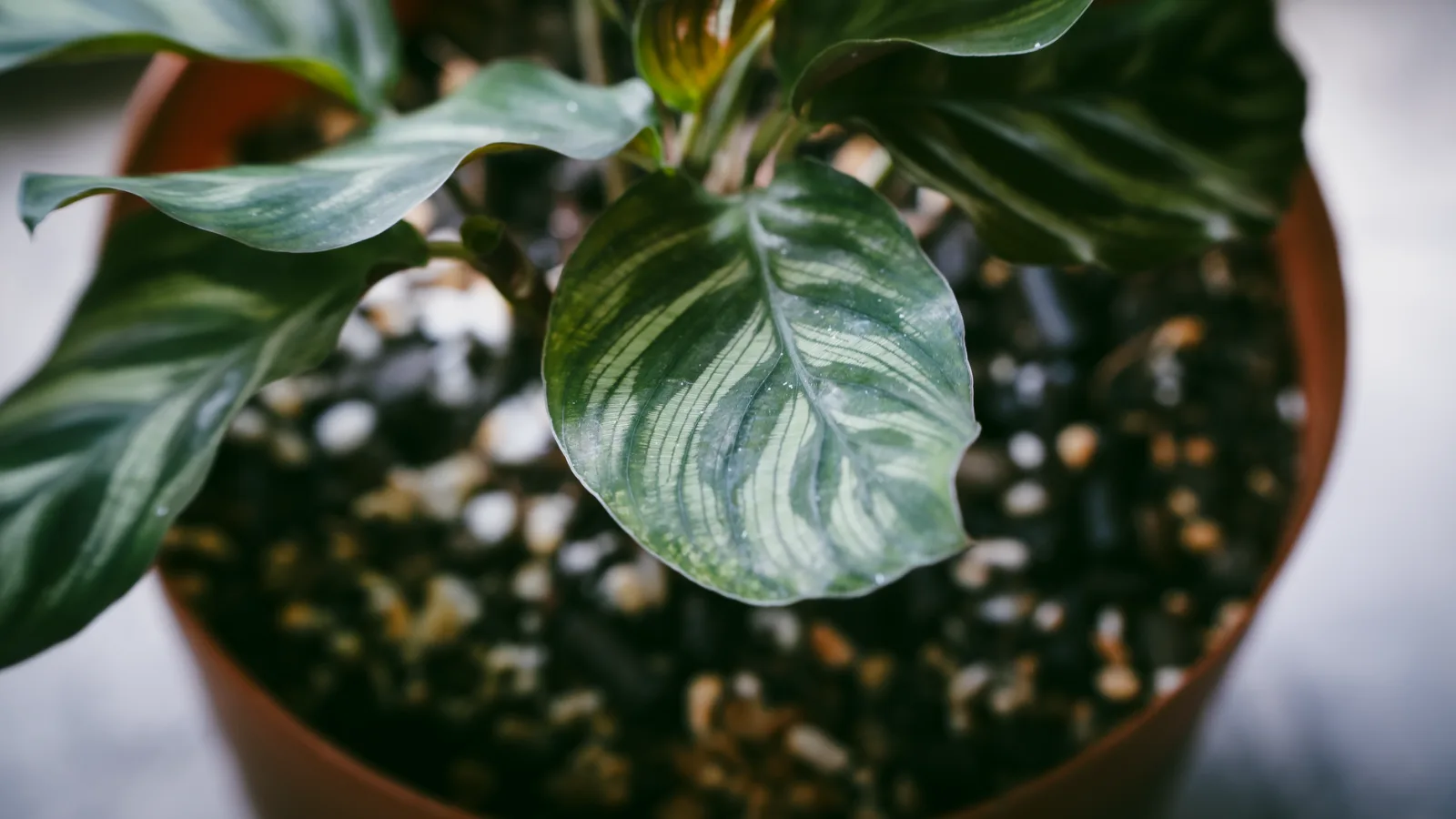
Regular maintenance keeps your plant looking its best and prevents problems from building up. Remove shriveled or discolored leaves with clean, sharp pruners or scissors. Dead foliage should not be allowed to accumulate in the pot, as this can encourage pest and disease development.
A layer of dust and grime naturally accumulates on indoor plant leaves over time. Leaves can be cleaned with a damp, soft cloth while supporting the leaf with one hand. This simple step helps the plant absorb light more efficiently.
Propagation Methods
Rattlesnake Plant can be propagated by two methods, with division being the most reliable and stem cuttings being more beginner-friendly.
Division (Most Reliable Method)
Division is the most reliable method for Rattlesnake Plant. The best time is spring, when the plant is actively growing and roots form most quickly.
- Water the plant thoroughly the day before dividing—well-hydrated roots are more resilient.
- Shake off the loose potting mix to expose the root system. For clumping plants, you’ll see distinct crowns or growing points.
- Gently separate the clumps, ensuring each section has at least one healthy shoot and a decent portion of roots.
- Pot each division into fresh, well-draining potting mix at the same depth it was growing before.
- Place in indirect light for 1–2 weeks while the plants settle. Avoid direct sun and fertilizer for the first month.
Stem Cuttings (Beginner-Friendly Alternative)
The reliable, beginner-friendly way to propagate Rattlesnake Plant is using nodal stem cuttings in water or soil. A cutting must include at least one node—the leaves alone will not root.
- Take a cutting that includes at least one node (the small bump on the stem where leaves emerge)
- Place the node in water or moist soil in bright indirect light
- Roots typically appear in 2–4 weeks; pot up at 4–6 weeks
Common Problems and Solutions
Brown Tips and Edges
Brown tips and edges result from dry air, uneven watering, or tap-water minerals. Raise humidity, water consistently when the top inch of soil is dry, and try filtered or distilled water instead of tap water.
Curling or Drooping Leaves
Curling or drooping leaves indicate thirst or dry air. Water if the soil is dry and add humidity by using a pebble tray or humidifier.
Yellowing Leaves
Yellowing leaves can indicate either overwatering or underwatering, so always check the soil before deciding what the plant needs. Feel the soil—if it’s soggy, you’re watering too much; if it’s bone dry, the plant is thirsty.
Root Rot
The most common disease problem is root rot caused by overwatering or poor drainage. Wet conditions lead to root rot, so ensure your pot has drainage holes and the soil dries slightly between waterings. If root rot develops, unpot the plant, trim away blackened roots, and repot in fresh, dry soil.
Wilting Leaves
Wilting calathea leaves are typically a sign that your plant is thirsty. Check the soil for dryness and water the plant to help revive it.
Pet Safety: Is Rattlesnake Plant Toxic to Cats and Dogs?
The Rattlesnake Plant is completely safe for pets. The plant is non-toxic to cats and non-toxic to dogs, making it an excellent choice for homes with animals. The ASPCA lists no toxic principles for calathea—there is no compound in it known to poison pets, unlike pothos, philodendron, or peace lily, which contain insoluble calcium oxalate crystals.
FAQ
How tall does a Rattlesnake Plant grow indoors?
Rattlesnake Plants typically grow to about 1.5 feet tall indoors, making them a compact, manageable houseplant for most spaces.
How often should I repot my Rattlesnake Plant?
Repot once a year, preferably in spring when the plant has outgrown its pot. Fresh soil at repotting improves drainage and refreshes nutrients.
Can I propagate a Rattlesnake Plant from a single leaf?
No. When propagating from stem cuttings, each cutting must include at least one node—the leaves alone will not root. Division is the most reliable method overall.
What’s the best water to use for my Rattlesnake Plant?
Use rainwater, distilled water, or filtered water at room temperature. Tap water’s fluoride, chlorine, and dissolved salts damage leaves and cause brown tips, even when watering timing is perfect.
Why does my Rattlesnake Plant have faded leaf patterns?
Intense direct sunlight bleaches the leaves and causes the distinctive rattlesnake patterns to fade. Move the plant further from south or west-facing windows to preserve the beautiful markings.
When should I propagate my Rattlesnake Plant?
The best time to propagate is spring, when the plant is actively growing and roots form most quickly. This gives new plants the whole growing season to establish before winter dormancy.