Rattlesnake Plant Calathea lancifolia
How Often to Water Your Rattlesnake Plant
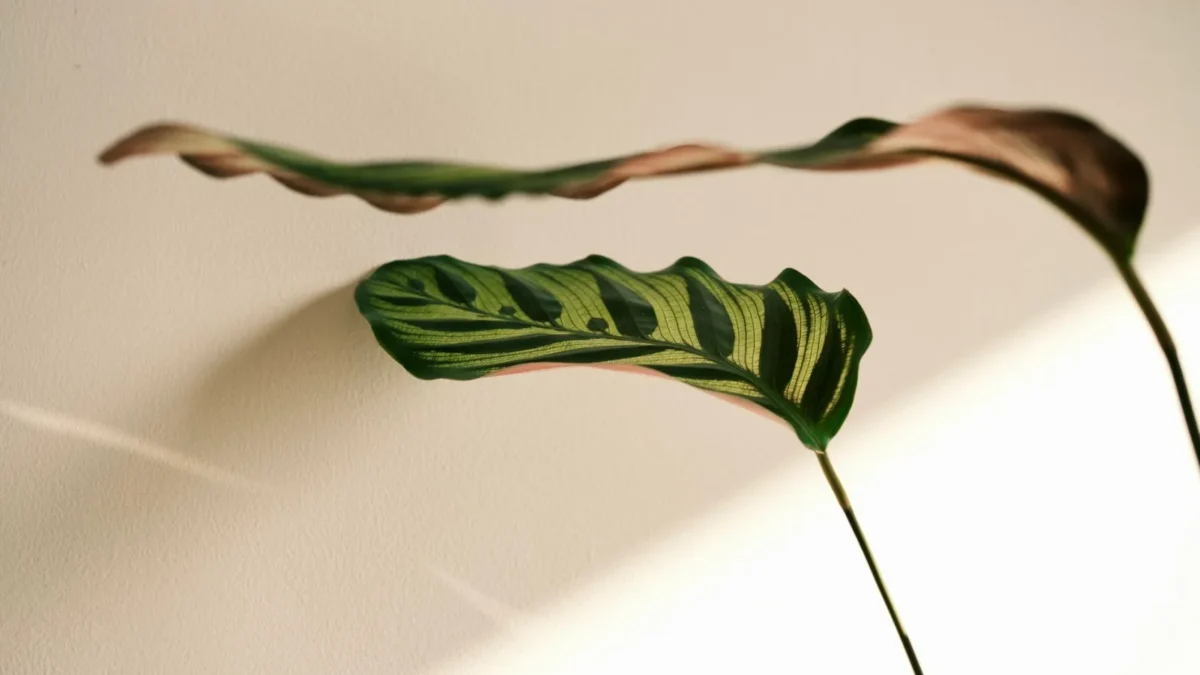
Quick answer: Water your Rattlesnake Plant when the top inch of soil is dry—roughly every 5–7 days in summer and every 10–14 days in winter. The exact frequency depends on your home’s conditions, light, and time of year. Never let it sit in water, and never let the pot dry out completely.
| Botanical name | Calathea lancifolia |
|---|---|
| Light | Bright indirect light; avoid full sun; tolerates early morning or diffused sun |
| Watering | Water when top inch of soil is dry; roughly 5–7 days in summer, 10–14 days in winter |
| Humidity | High humidity; aim for at least 50–60%; use humidifier or pebble tray |
| Temperature | 65–75°F (18–25°C) day; not below 60°F (15°C) night; avoid drafts and temperature extremes |
| Soil | Well-draining, peaty potting mix; peat moss, perlite, and regular potting soil blend |
| Feeding | Balanced fertilizer monthly April–August; reduce in winter |
| Size | 1.5 feet tall indoors |
| Difficulty | demanding |
| Cats | ✓ non-toxic |
| Dogs | ✓ non-toxic |
Watering Schedule by Season
Rattlesnake Plants need consistent moisture during their active growing months but less frequent watering when growth slows. During spring and summer, check your soil regularly and water about every 5–7 days. As a rule, water when the top inch feels dry to the touch—this is more reliable than a fixed calendar schedule.
From October through February, reduce watering to every 10–14 days and only water when the top 1–2 inches of soil are dry. Winter dormancy means the plant uses less water, and cooler indoor temperatures slow evaporation, so the soil stays moist longer.
Signs Your Rattlesnake Plant Needs Water
The most obvious indicator is curling or drooping leaves. If leaves start turning brown or go limp, your plant is thirsty. When underwatering, leaves become brown and crispy. These symptoms usually mean the soil has dried out too much.
If you’re ever uncertain, feeling the soil is more useful than guessing. Push your finger into the soil to the first knuckle—if it’s dry at that depth, water thoroughly until it drains from the bottom.
Signs of Overwatering
Yellowing leaves often indicate too much water, so always check your soil first before deciding what the plant needs. More serious signs include limp, soft stems and consistently wet soil, which point to overwatering and possible root rot.
The key is letting the soil dry out slightly between waterings. Good drainage is essential—use a well-draining, peaty potting mix and make sure your pot has drainage holes. Poor drainage combined with frequent watering is the fastest route to root rot.
Water Quality Matters
Rattlesnake Plants are sensitive to minerals in tap water. Fluoride, chlorine, and dissolved salts can cause brown, crispy tips even when your watering timing is perfect. If tips keep browning despite correct watering, switch to filtered, distilled, or rainwater at room temperature.
Humidity and Watering
While watering frequency and humidity are separate concerns, dry air makes it harder to keep your plant consistently happy. High humidity—at least 50–60%—helps prevent brown tips and reduces stress on the plant. Use a humidifier, pebble tray, or group your Rattlesnake Plant with other houseplants to raise humidity. High humidity also helps the soil retain moisture more evenly, making your watering routine more forgiving.
FAQ
How often to water rattlesnake plant in winter?
Water every 10–14 days in winter, and only when the top 1–2 inches of soil are dry. Reduce watering during this dormant season as the plant uses far less water.
What if I’m unsure whether to water?
Feel the soil first. If the top inch is dry, water. If it’s moist, wait another day or two. Overwatering is more damaging than occasional underwatering for this tropical plant.
Can I use tap water?
Tap water is fine, but if brown tips persist despite correct watering, switch to filtered, distilled, or rainwater at room temperature to avoid mineral buildup.
Read the full guide: Rattlesnake Plant Care: The Complete Guide
More about Rattlesnake Plant
The same problem in other plants
- How Often Should You Water a Venus Flytrap?
- How Often Should You Water a Rex Begonia?
- How Often Should You Water a Norfolk Island Pine?
- How Often and How Much to Water Purple Shamrock
Sources
- Rattlesnake Plant (Calathea lancifolia) Care: What to Know
- Rattlesnake Plant Care: Calathea lancifolia (Goeppertia insignis) Guide (2026)
- Rattlesnake Plant (Calathea lancifolia) Care Guide
Photo: Phong Thanh / Pexels, Pexels