Rattlesnake Plant Calathea lancifolia
Why Is My Rattlesnake Plant Leaves Turning Brown: Causes and Fixes
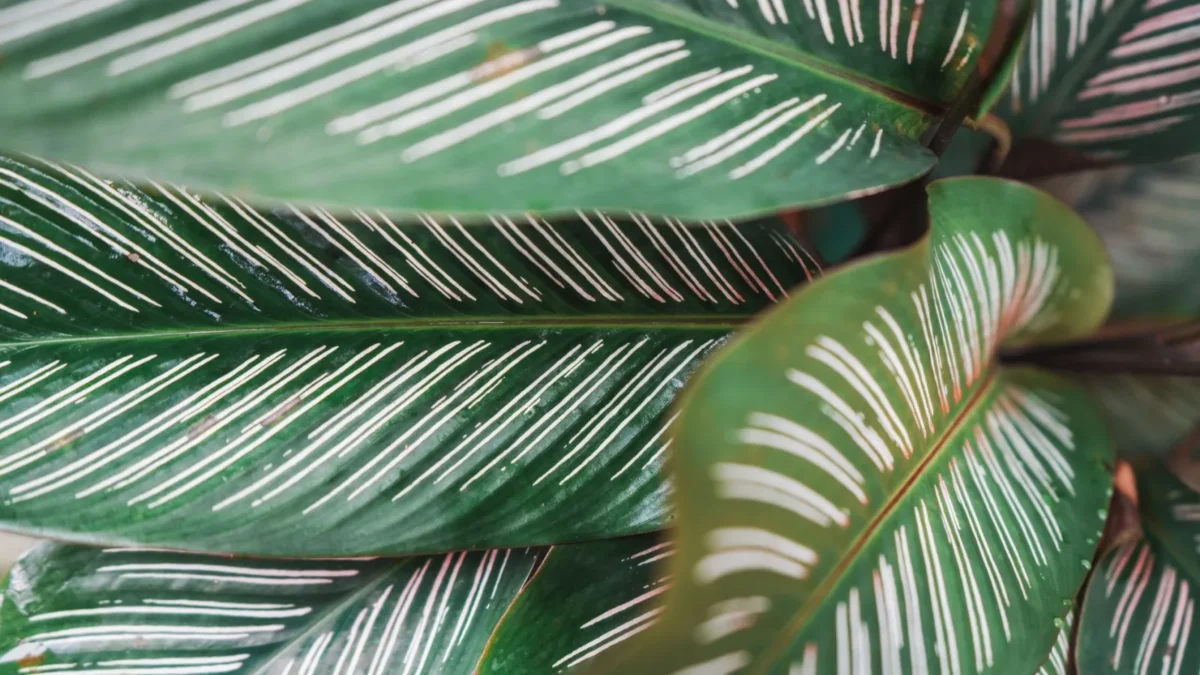
Quick answer: Your Rattlesnake Plant leaves turning brown is usually caused by underwatering, low humidity, tap water minerals, or too much direct sun. Check the soil moisture first, then adjust humidity and water type to restore healthy foliage.
| Botanical name | Calathea lancifolia |
|---|---|
| Light | Bright indirect light; avoid full sun; tolerates early morning or diffused sun |
| Watering | Water when top inch of soil is dry; roughly 5–7 days in summer, 10–14 days in winter |
| Humidity | High humidity; aim for at least 50–60%; use humidifier or pebble tray |
| Temperature | 65–75°F (18–25°C) day; not below 60°F (15°C) night; avoid drafts and temperature extremes |
| Soil | Well-draining, peaty potting mix; peat moss, perlite, and regular potting soil blend |
| Feeding | Balanced fertilizer monthly April–August; reduce in winter |
| Size | 1.5 feet tall indoors |
| Difficulty | demanding |
| Cats | ✓ non-toxic |
| Dogs | ✓ non-toxic |
| What you see | Likely cause | What to do |
|---|---|---|
| Brown, crispy leaf tips and edges | Low humidity or tap water minerals | Increase humidity to 50–60%; switch to filtered or distilled water |
| Brown, wilted, or curling leaves | Underwatering | Water when top inch of soil is dry; roughly every 5–7 days in summer |
| Brown scorch patches on leaves | Too much direct sun | Move away from intense afternoon sun; use bright indirect light |
| Yellowing leaves with wet soil | Overwatering | Let soil dry slightly; water every 10–14 days in winter |
| Soft stems and soggy soil | Root rot from poor drainage | Repot in fresh well-draining mix; reduce watering |
Why Rattlesnake Plant leaves turn brown: the main causes
Underwatering and soil dryness
Underwatering will dry your plant out, turn its leaves brown and crispy. Signs that your plant needs watering are when the leaves start curling, start to droop or go limp, or when they start turning brown. Water when the top inch of soil is dry, roughly every 5–7 days in summer and every 10–14 days in winter, depending on your home. Never let it sit in water, and never let the pot dry out completely.
Low humidity and dry air
In dry heated rooms, brown tips and edges can appear even when watering is otherwise correct. Aim for at least 50 to 60% humidity around the plant. A humidifier, humidity pebble tray, grouping the plant with other houseplants, and using a hygrometer can help maintain and monitor humidity.
Tap water minerals
Calatheas are sensitive to the fluoride, chlorine, and dissolved salts in tap water, and the damage shows up as brown, crispy tips even when your timing is perfect. Use rainwater, distilled water, or filtered water at room temperature. This is one of the most common causes of brown leaf tips that puzzle even careful plant owners.
Too much direct sun
The sun’s intense rays can bleach the leaves, causing the calathea rattlesnake patterns to fade. You may also notice that overexposure to the sun causes brown scorch patches on the leaves to appear. Avoid full sun, particularly in the heat of the afternoon, though the plant tolerates some early morning sun or diffused sun.
How to fix brown Rattlesnake Plant leaves
Start by checking your soil with your finger. If the top inch feels dry, underwatering is likely the problem—water thoroughly and adjust your schedule. If the soil is constantly wet or soggy, reduce watering frequency and repot into fresh, well-draining mix if root rot is suspected.
Next, look at the type of browning. Brown leaf tips that stay crispy even with correct watering usually point to humidity or water quality. If brown patches cover larger areas of the leaf blade, sun damage is more likely. Move the plant to bright indirect light away from direct afternoon rays.
For humidity, group it with other plants, use a pebble tray with water below the pot, or keep it in a bright bathroom or kitchen if the light is suitable. Light misting is fine, but consistently humid air is usually more helpful than occasional sprays.
How to prevent brown leaves on your Rattlesnake Plant
Keep a consistent watering routine based on the season, always use filtered or distilled water, and maintain humidity around 50–60% especially during winter when heating dries indoor air. Best indoor container growth typically occurs in room temperatures ranging from 65–75°F. Keep Rattlesnake Plant away from cold drafts, exterior doors, heaters, and air conditioners. Place your plant near an eastern or northern window or 2 to 3 feet away from a southern or western window. Remove shriveled or discolored leaves with clean, sharp pruners or scissors, so the plant can focus energy on healthy growth.
Read the full guide: Rattlesnake Plant Care: The Complete Guide
More about Rattlesnake Plant
The same problem in other plants
- Why Are My Satin Pothos Leaves Turning Black or Brown?
- Why Are My Rex Begonia Leaves Turning Brown?
- Why Are My Norfolk Island Pine Leaves Turning Brown?
- Why Are My Aluminum Plant Leaves Turning Brown or Black?