Rattlesnake Plant Calathea lancifolia
How to Propagate Rattlesnake Plant: Complete Guide
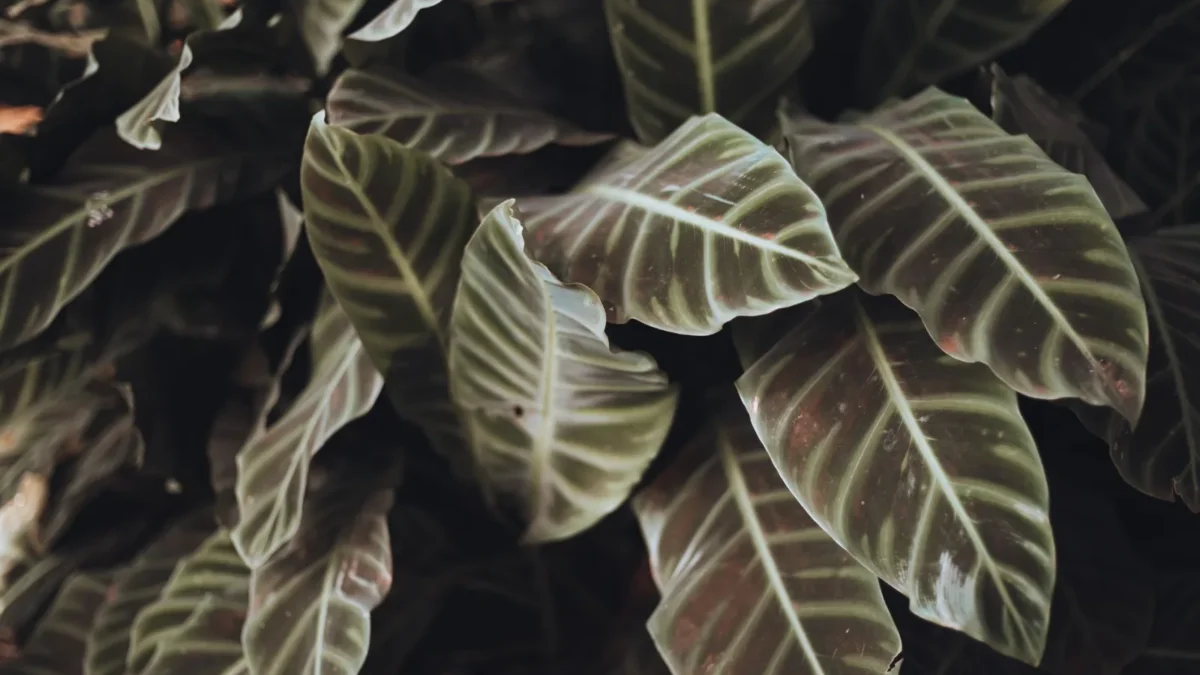
Quick answer: The most reliable method to propagate Rattlesnake Plant is division in spring, when the plant is actively growing. Stem cuttings in water or soil also work well and are beginner-friendly.
| Botanical name | Calathea lancifolia |
|---|---|
| Light | Bright indirect light; avoid full sun; tolerates early morning or diffused sun |
| Watering | Water when top inch of soil is dry; roughly 5–7 days in summer, 10–14 days in winter |
| Humidity | High humidity; aim for at least 50–60%; use humidifier or pebble tray |
| Temperature | 65–75°F (18–25°C) day; not below 60°F (15°C) night; avoid drafts and temperature extremes |
| Soil | Well-draining, peaty potting mix; peat moss, perlite, and regular potting soil blend |
| Feeding | Balanced fertilizer monthly April–August; reduce in winter |
| Size | 1.5 feet tall indoors |
| Difficulty | demanding |
| Cats | ✓ non-toxic |
| Dogs | ✓ non-toxic |
Division: The Best Method
Division works because Rattlesnake Plant grows in clumps with distinct crowns, making it straightforward to separate into new plants.
Steps:
- Water the plant thoroughly the day before dividing—well-hydrated roots are more resilient.
- Remove the plant from its pot and shake off loose potting mix to expose the root system.
- Look for distinct crowns or growing points where you can naturally separate the clump.
- Divide so each section has at least one healthy shoot and a decent portion of roots.
- Pot each division into fresh, well-draining potting mix—use a blend of peat moss, perlite, and regular potting soil—at the same depth it was growing before.
- Place in indirect light for 1–2 weeks while the plants settle. Avoid direct sun and fertilizer for the first month.
New roots establish quickly in spring conditions, usually within a few weeks. Resume normal care once you see fresh growth.
Stem Cuttings in Water or Soil
This method is reliable and beginner-friendly if you follow one critical rule:
Each cutting must include at least one node—the point where leaves emerge—because leaves alone will not root. A 2–4 inch cutting with one or two leaves works well.
Place the node in water or moist soil in bright indirect light. Roots appear in 2–4 weeks; pot up at 4–6 weeks. Keep the soil or water consistently moist but not waterlogged.
For water propagation, change the water every few days to prevent bacterial growth. For soil propagation, use the same peaty, well-draining mix recommended for mature plants.
Common Mistakes to Avoid
Rattlesnake Plant is demanding about its environment even after propagation. Don’t skip the settling period—2 weeks of gentle indirect light helps the new plant redirect energy to roots rather than struggling to adjust to a new pot and location.
Avoid fertilizing for the first month. New plants are vulnerable and fertilizer can burn developing roots. Resume normal monthly feeding during the growing season (April–August) only after the plant has settled.
Water carefully: the top inch of soil should dry slightly between waterings, but never let the pot dry out completely. Use filtered, distilled, or rainwater if possible—tap water minerals can cause brown tips even in a young, otherwise healthy plant.
FAQ
Can I propagate Rattlesnake Plant from a leaf?
No. A cutting must include at least one node—the leaves alone will not root.
What’s the success rate of water vs. soil cuttings?
Both methods work reliably when you include a node and keep conditions stable. Water propagation is easier to monitor; soil propagation skips the potting step. Choose whichever feels simpler to you.
Read the full guide: Rattlesnake Plant Care: The Complete Guide
More about Rattlesnake Plant
The same problem in other plants
- How to Propagate Satin Pothos in Water and Soil
- How to Propagate Norfolk Island Pine from Cuttings and Seeds
- How to Propagate Rex Begonia from Leaf Cuttings
- How to Propagate Purple Shamrock: Water and Soil Methods
Sources
- Rattlesnake plant propagation
- How to Propagate Rattlesnake Plant? Stem Cuttings
- Rattlesnake Plant Care: Calathea lancifolia (Goeppertia insignis) Guide (2026)
Photo: Orione Conceição / Pexels, Pexels