Satin Pothos Scindapsus pictus
Satin Pothos Care: The Complete Growing Guide
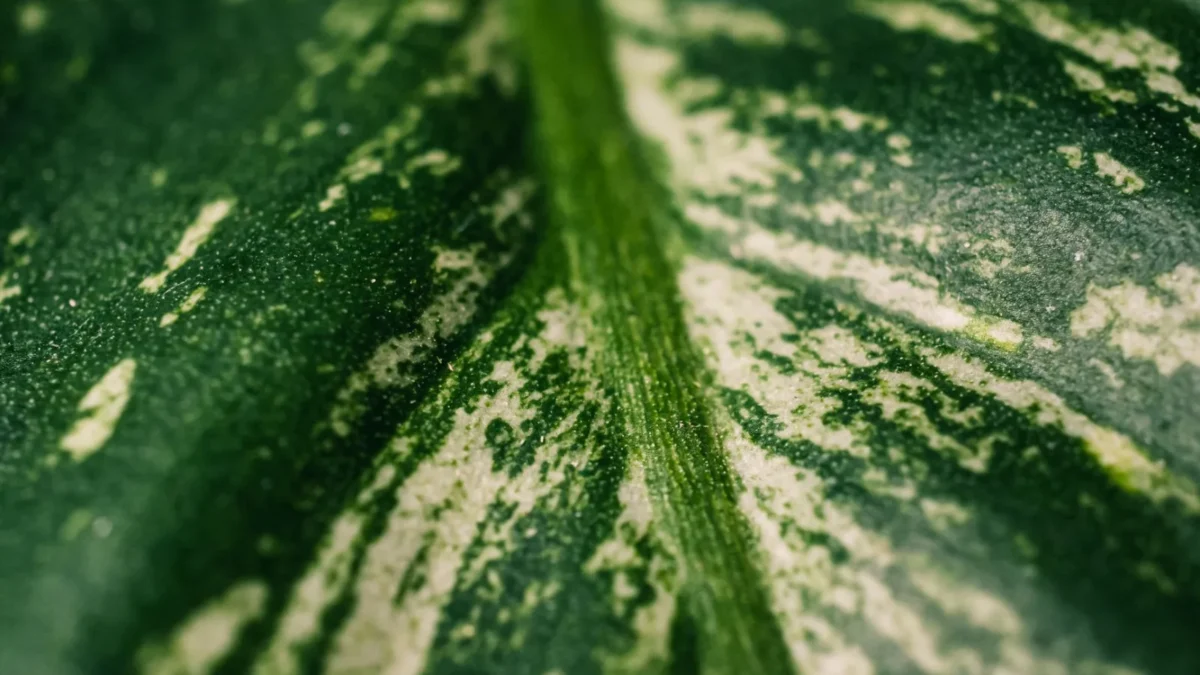
Satin pothos care is straightforward once you understand this plant’s core needs: bright indirect light, moderate watering, and humidity between 40–60%. Scindapsus pictus is a slow-growing tropical evergreen climber in the Arum family that thrives indoors with minimal fuss, making it perfect for both beginners and experienced plant collectors. This guide covers everything you need to maintain healthy satin pothos growth, from daily care routines to problem-solving.
| Botanical name | Scindapsus pictus |
|---|---|
| Light | bright indirect light; avoid direct sun |
| Watering | water when top inch of soil feels dry; avoid overwatering |
| Humidity | 40-60% |
| Temperature | 65-85°F; avoid below 60°F |
| Soil | peaty, well-draining potting mix |
| Feeding | balanced liquid fertilizer monthly during growing season |
| Size | trailing/climbing to 1m or more |
| Difficulty | easy |
| Cats | ⚠️ toxic — insoluble calcium oxalates; oral irritation, swelling, drooling, vomiting |
| Dogs | ⚠️ toxic — insoluble calcium oxalates; oral irritation, swelling, drooling, vomiting |
Key points
- Place in bright indirect light and avoid direct sun
- Water when the top inch of soil feels dry; overwatering causes root rot
- Maintain humidity of 40–60% and room temperatures of 65–85°F
- Use well-draining peaty soil and feed monthly during the growing season
- Pinch stems to shape and remove dead leaves regularly
- Propagate easily from 4–6 inch stem cuttings
- Keep away from cats and dogs, as it is toxic to both
Light Requirements for Satin Pothos
Containers are best placed in bright indirect light and should avoid direct sun. This means positioning your plant near a north or east-facing window, or a few feet back from a south or west-facing one. A spot that receives dappled light throughout the day is ideal.
If your satin pothos doesn’t get enough light, growth will slow noticeably and new leaves may be smaller or less vibrant. Conversely, direct sun can scorch the silvery markings on the leaves and fade the plant’s characteristic spotted appearance.
Watering Your Satin Pothos
Water your plant when the top inch of soil feels dry to the touch; overwatering can lead to root rot, so it’s better to err on the side of caution and avoid letting the soil become too soggy. Satin pothos is more tolerant of being under-watered than being over-watered, and they can develop root rot easily.
Curling leaves are the satin pothos’s built-in thirst indicator; if the soil is dry and the leaves curl inward, it is time to water. However, curling can also signal overwatering—if the soil is wet and the leaves are curling, the roots have rotted and can no longer take up water. Satin pothos prefer to partially dry out between waterings, and sitting in soggy soil can lead to root rot, a grave condition that causes leaves to curl and wilt.
During the growing season (spring through summer), water moderately. Reduce watering over winter when growth naturally slows.
Humidity and Temperature
Humidity
Satin pothos does best in conditions with between 40% and 60% humidity, which has the same level of humidity as their natural habitat. When humidity levels fall below 50 percent, the satin pothos may experience stress, which can manifest as leaf curling as a response to the plant’s attempt to conserve moisture in less-than-ideal conditions.
To increase humidity indoors, mist the leaves regularly, group plants together, or place the pot on a tray with pebbles and water (ensuring the pot sits above the water line).
Temperature
In the U.S., it achieves its best indoor container growth at room temperatures ranging from 65 to 85°F. Avoid temperatures that dip below 60°F because the cooler air may damage plant foliage. Prolonged exposure to temperatures below 60°F can cause the leaves to turn yellow and drop.
When the temperature drops below 50 degrees Fahrenheit, you might notice black or brown leaf sections; a temperature of 45 degrees Fahrenheit will turn your pothos leaves black and stop their growth. Keep your plant away from cold drafts, air conditioning vents, and heating ducts.
Soil and Repotting
The best soil for satin pothos be a well-draining, airy soil mix which does not get soggy while providing the required nutrients. For US growers, use a peaty potting mix. UK growers should grow under glass in a peat-free, loam-based potting compost.
Repot your satin pothos every 12–18 months or when roots begin to emerge from drainage holes. Spring is the best time to repot, as the plant is actively growing. Use a container only slightly larger than the current one—usually 1–2 inches wider in diameter—to avoid excess soil that stays too wet.
Feeding Your Satin Pothos
Apply fertilizer monthly during the growing season. When in growth, apply a balanced liquid fertilizer monthly; water sparingly at other times. Reduce fertilizing and watering over winter.
Curling leaves can indicate overfertilization, when excess nutrients—particularly from excessive fertilizer use—affect the plant’s health. If you suspect over-feeding, flush the soil with water and reduce the fertilizer frequency.
Pruning and Training
Pinch stems to shape as needed. This encourages bushier growth and prevents the plant from becoming too leggy. Pinching back the growing tips also helps direct the plant’s energy into developing new stems and leaves lower on the vine.
Remove shriveled or discolored leaves with clean, sharp pruners or scissors; dead foliage should not be allowed to accumulate in the pot, as this can encourage pest and disease development. A single yellow leaf on the lowest part of a vine every few weeks is completely normal; pothos continuously cycles out its oldest leaves as new growth emerges.
Satin pothos is typically cultivated in its juvenile phase which features ovate, entire leaves (3–4″ long) with heart-shaped bases. The mature form can reach 1 m or more in length and features dark green ovate leaves to 10 cm in length, spotted with silver on the upper surface.
Propagating Satin Pothos
Satin pothos is propagated by stem cuttings. For most plants, cuttings should be between 4 and 6 inches long. Use clean scissors or pruners to make a cut just below a node—this is where roots will develop.
Cuttings will develop a better root system when rooted in a soil-less potting mix. Cuttings are best rooted in perlite, builder’s sand, or vermiculite used alone, mixed with each other, or mixed with sphagnum peat moss.
In most cases when the roots are 1–2 inches long they can be moved to individual pots but many rooted cuttings will survive in water for extended periods of time. Once potted, treat the new plants as established specimens and maintain the same care routine.
Common Problems and Solutions
Yellow leaves
Yellow leaves dropping from the lower vine are most commonly caused by overwatering. This is especially true if the leaves feel mushy or the soil smells sour—signs of root rot. Cut back on watering frequency and ensure the pot has drainage holes. If root rot is severe, repot the plant into fresh soil and prune away any mushy, blackened roots.
Leaf curling
Leaf curling has multiple causes: underwatering, low humidity, overwatering with root rot, or overfertilization. Check the soil moisture first—if it’s dry, water thoroughly. If it’s wet, the roots have likely rotted. If humidity is below 50%, mist the plant or increase ambient humidity. If you’ve recently fertilized heavily, flush the soil with water.
Brown or black leaf spots
Soft, brown, mushy spots on a leaf are called Bacterial Leaf Spots, which come from water sitting on the leaves and rotting them. Avoid misting in low light or in the evening, and ensure good air circulation around the plant. Remove affected leaves to prevent spread.
Brown leaves are usually the result of too much intense sunlight or not enough humidity. Move the plant to a location with bright indirect light and increase humidity by misting or grouping plants together.
Is Satin Pothos Toxic to Pets?
Satin pothos is toxic to cats and dogs, with toxic principles of insoluble calcium oxalates and clinical signs including oral irritation, pain and swelling of mouth, tongue and lips, excessive drooling, vomiting, and difficulty swallowing. Pothos is not organ toxic.
Keep satin pothos out of reach of cats and dogs, and supervise children around the plant. If you suspect your pet may have ingested a potentially toxic substance, call the ASPCA Poison Control on their 24-hour emergency poison hotline: (888) 426-4435.
FAQ
How often should I water my satin pothos?
Water when the top inch of soil feels dry to the touch. During the growing season this may be weekly, but in winter, watering frequency will decrease. The plant is more tolerant of under-watering than over-watering.
Can satin pothos grow in low light?
Satin pothos will survive in low light but growth will slow significantly and leaves may become smaller and less vibrant. Bright indirect light produces the healthiest, most attractive plants.
What humidity do satin pothos need?
Satin pothos does best in conditions with between 40% and 60% humidity. If your home is drier, mist the plant regularly or place it on a pebble tray with water.
How do I propagate satin pothos?
Take 4–6 inch stem cuttings just below a node and root them in perlite, sand, or vermiculite. Once roots are 1–2 inches long, pot them into soil. Cuttings can also root in water but will develop stronger roots in potting medium.
Why are my satin pothos leaves turning yellow?
Yellow leaves are most commonly caused by overwatering. Ensure you’re letting the top inch of soil dry between waterings. Prolonged cold (below 60°F) can also cause yellowing and leaf drop.
Is satin pothos toxic to pets?
Yes, satin pothos is toxic to both cats and dogs due to insoluble calcium oxalates. Symptoms include oral irritation, drooling, and vomiting. Keep the plant out of reach and contact the ASPCA Poison Control hotline at (888) 426-4435 if ingestion occurs.
More about Satin Pothos
Sources
- Scindapsus pictus 'Argyraeus' – Plant Finder
- Scindapsus pictus 'Argyraeus'
- Satin Pothos Care: Fix Curling Leaves on Scindapsus
Photo: Sonny Sixteen / Pexels, Pexels