Satin Pothos Scindapsus pictus
Why Are My Satin Pothos Leaves Turning Black or Brown?
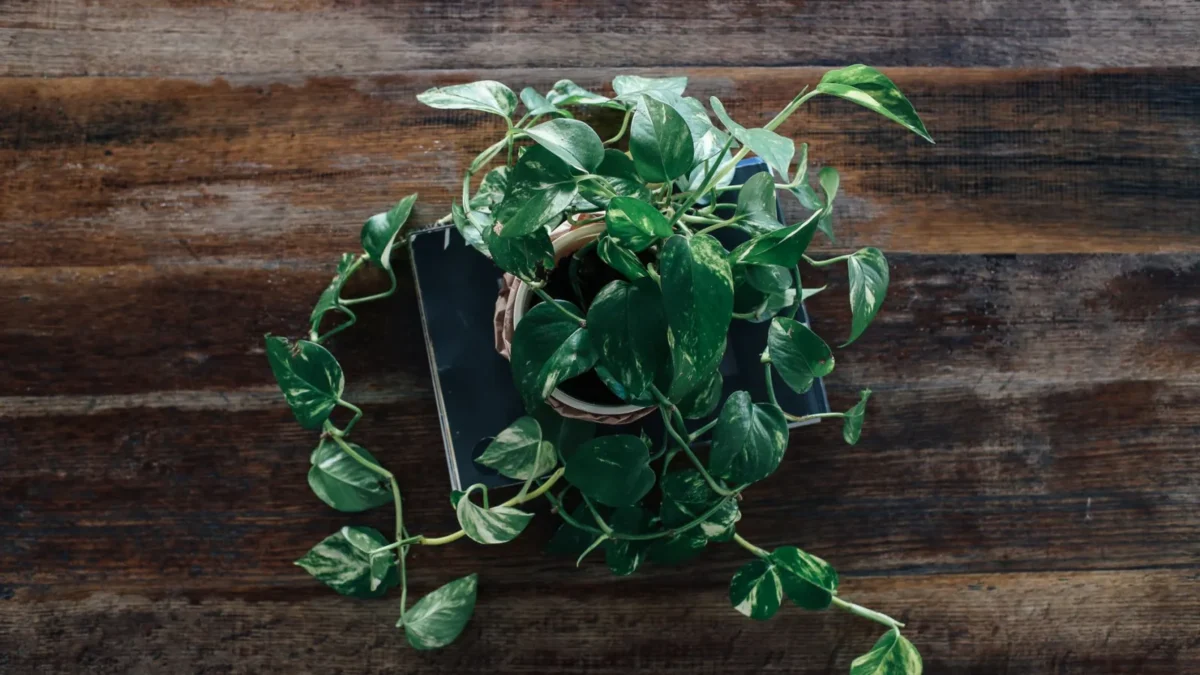
Quick answer: Black or brown satin pothos leaves are usually caused by cold temperatures below 50°F, overwatering leading to root rot, low humidity, or bacterial leaf spots from water sitting on foliage. Each has a different fix, so identifying which problem you’re dealing with is the first step.
| Botanical name | Scindapsus pictus |
|---|---|
| Light | bright indirect light; avoid direct sun |
| Watering | water when top inch of soil feels dry; avoid overwatering |
| Humidity | 40-60% |
| Temperature | 65-85°F; avoid below 60°F |
| Soil | peaty, well-draining potting mix |
| Feeding | balanced liquid fertilizer monthly during growing season |
| Size | trailing/climbing to 1m or more |
| Difficulty | easy |
| Cats | ⚠️ toxic — insoluble calcium oxalates; oral irritation, swelling, drooling, vomiting |
| Dogs | ⚠️ toxic — insoluble calcium oxalates; oral irritation, swelling, drooling, vomiting |
| What you see | Likely cause | What to do |
|---|---|---|
| Black/brown leaf sections, leaves stop growing | Temperature below 50°F | Move plant to warmer location (65–85°F) |
| Soft, brown, mushy leaves at base; soil wet but leaves curling | Overwatering and root rot | Repot into fresh, well-draining soil; water only when top inch feels dry |
| Soft, brown, mushy spots scattered on leaves | Bacterial leaf spots from water on foliage | Water at soil level only; remove affected leaves with clean scissors |
| Brown leaf tips or edges, leaves look papery | Low humidity or intense light | Increase humidity to 40–60%; move away from direct sun |
| Yellow or brown lower leaves dropping regularly | Normal aging, or overwatering if excessive | Single yellow leaf every few weeks is normal; reduce watering if many drop at once |
Understanding cold damage versus other problems
The most dramatic reason your satin pothos leaves turn black is cold exposure. Prolonged temperatures below 50°F will blacken leaves and stop growth entirely. Even milder cold at 60°F can eventually cause yellowing and leaf drop. Move your plant to a warm room—ideally 65–85°F—and new growth should appear healthy within weeks.
Overwatering and root rot
Root rot is the second major culprit. Satin pothos prefers to dry out slightly between waterings, and sitting in soggy soil destroys the roots. When roots rot, they can no longer absorb water, so leaves turn mushy, brown, and wilt even though the soil is wet.
To fix this:
- Remove the plant from its pot and inspect the roots
- Trim away any black, mushy roots with clean scissors
- Repot into fresh, well-draining potting mix
- Water only when the top inch of soil feels dry
Humidity and leaf spots
Brown or papery leaf tips often signal humidity below 40–60%, which is lower than your plant’s natural habitat needs. Mist the leaves weekly or place the pot on a tray with pebbles and water to raise humidity around the plant. Avoid getting water on the leaves during watering—soft, brown, musty spots called bacterial leaf spots develop when moisture sits on foliage. Water at soil level only and remove any spotted leaves with clean pruners.
Preventing black and brown leaves
Keep your satin pothos away from cold drafts, heating vents, and temperatures below 60°F. Place it in bright indirect light, never direct sun, which can also scorch leaves. Let the soil dry slightly between waterings—this plant is more tolerant of underwatering than overwatering—and maintain humidity between 40 and 60 percent. Remove any shriveled or discolored leaves promptly so dead foliage doesn’t encourage pests or disease.
Read the full guide: Satin Pothos Care: The Complete Guide
More about Satin Pothos
The same problem in other plants
- Why Is My Asparagus Fern Turning Brown?
- Why Are My Venus Flytrap Leaves Turning Black?
- Why Are My Ficus Audrey Leaves Turning Brown and Falling Off?
- Why Are My Rex Begonia Leaves Turning Brown?
Sources
- Scindapsus pictus 'Argyraeus' – Plant Finder
- Satin Pothos Care: Fix Curling Leaves on Scindapsus
- Pothos Problems: Yellow Leaves, Brown Tips Fixed
Photo: Rachel Claire / Pexels, Pexels