Satin Pothos Scindapsus pictus
Is Satin Pothos Toxic to Cats, Dogs, and Humans?
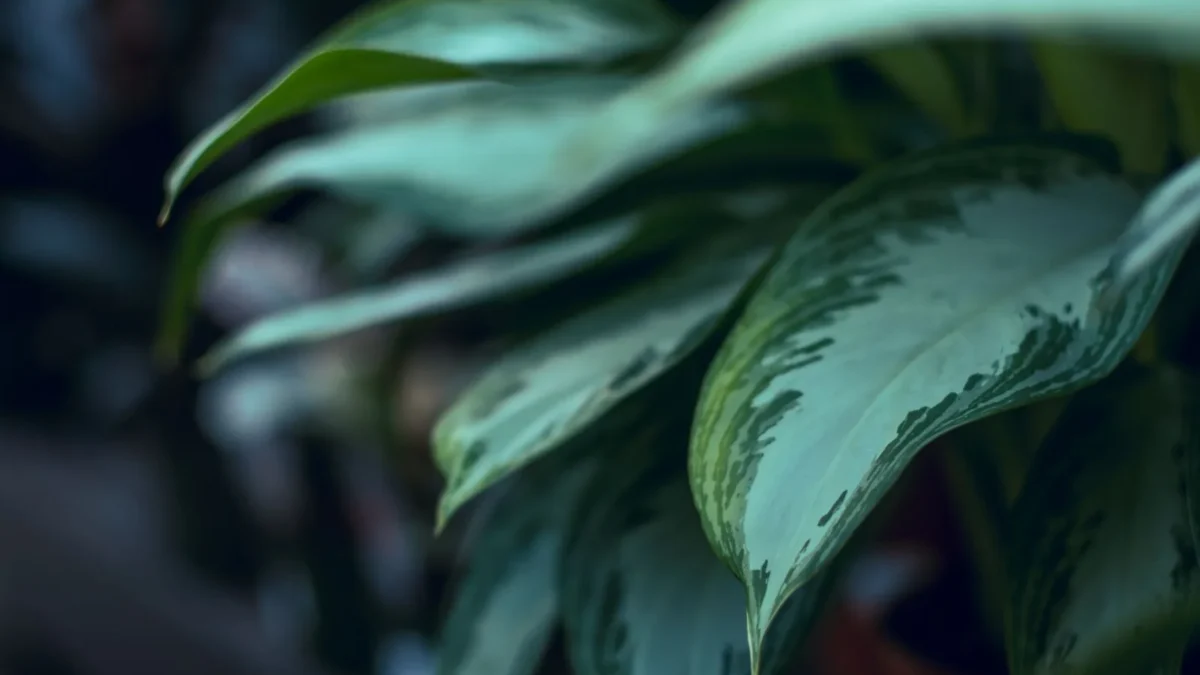
Quick answer: Is satin pothos toxic to cats?
Yes, satin pothos is toxic to cats. The plant contains insoluble calcium oxalates, which can cause oral irritation, pain and swelling of the mouth, tongue and lips, excessive drooling, vomiting, and difficulty swallowing. Satin pothos is also toxic to dogs, with the same toxic compounds and symptoms.
| Botanical name | Scindapsus pictus |
|---|---|
| Light | bright indirect light; avoid direct sun |
| Watering | water when top inch of soil feels dry; avoid overwatering |
| Humidity | 40-60% |
| Temperature | 65-85°F; avoid below 60°F |
| Soil | peaty, well-draining potting mix |
| Feeding | balanced liquid fertilizer monthly during growing season |
| Size | trailing/climbing to 1m or more |
| Difficulty | easy |
| Cats | ⚠️ toxic — insoluble calcium oxalates; oral irritation, swelling, drooling, vomiting |
| Dogs | ⚠️ toxic — insoluble calcium oxalates; oral irritation, swelling, drooling, vomiting |
If you have cats or dogs at home, keep this plant out of their reach. If you suspect your pet has chewed on or ingested part of the plant, call the ASPCA Animal Poison Control Center immediately at (888) 426-4435. They operate a 24-hour emergency poison hotline and can advise you on next steps based on how much your pet may have eaten.
Why is satin pothos toxic to pets?
The danger comes from insoluble calcium oxalate crystals in the plant’s leaves and stems. When a pet chews on the plant, these crystals cause immediate irritation and swelling inside the mouth, which can make swallowing painful and difficult. The severity of symptoms depends on how much plant material the pet ingested.
Is satin pothos toxic to humans?
While satin pothos contains the same insoluble calcium oxalates found in many houseplants, poisoning in humans is extremely rare. The plant is not organ toxic, meaning it doesn’t cause damage to internal organs even if ingested. That said, accidental ingestion by children should still be avoided. Keep the plant out of reach of young children who might be tempted to chew on leaves.
FAQ
What should I do if my cat ate satin pothos?
Contact the ASPCA Animal Poison Control Center at (888) 426-4435 right away. Have information ready about when your cat ate the plant and how much they may have consumed. Watch for signs of oral irritation, drooling, vomiting, or difficulty swallowing while waiting for guidance.
Can I safely grow satin pothos with pets at home?
Yes, but only if you place it where your cat or dog cannot reach it—high shelves, hanging planters, or a room you can keep them out of work well. These slow-growing trailing plants can reach 1 meter or more, so they’re often grown in elevated spots anyway.
Read the full guide: Satin Pothos Care: The Complete Guide
More about Satin Pothos
The same problem in other plants
- Is Caladium Toxic to Cats and Dogs? Pet Safety Guide
- Is Rabbit's Foot Fern Toxic to Cats and Dogs?
- Is Venus Flytrap Toxic to Cats and Dogs?
- Is Rex Begonia Toxic to Cats and Dogs?