Weeping Fig Ficus benjamina
Why Are My Weeping Fig Leaves Turning Yellow?
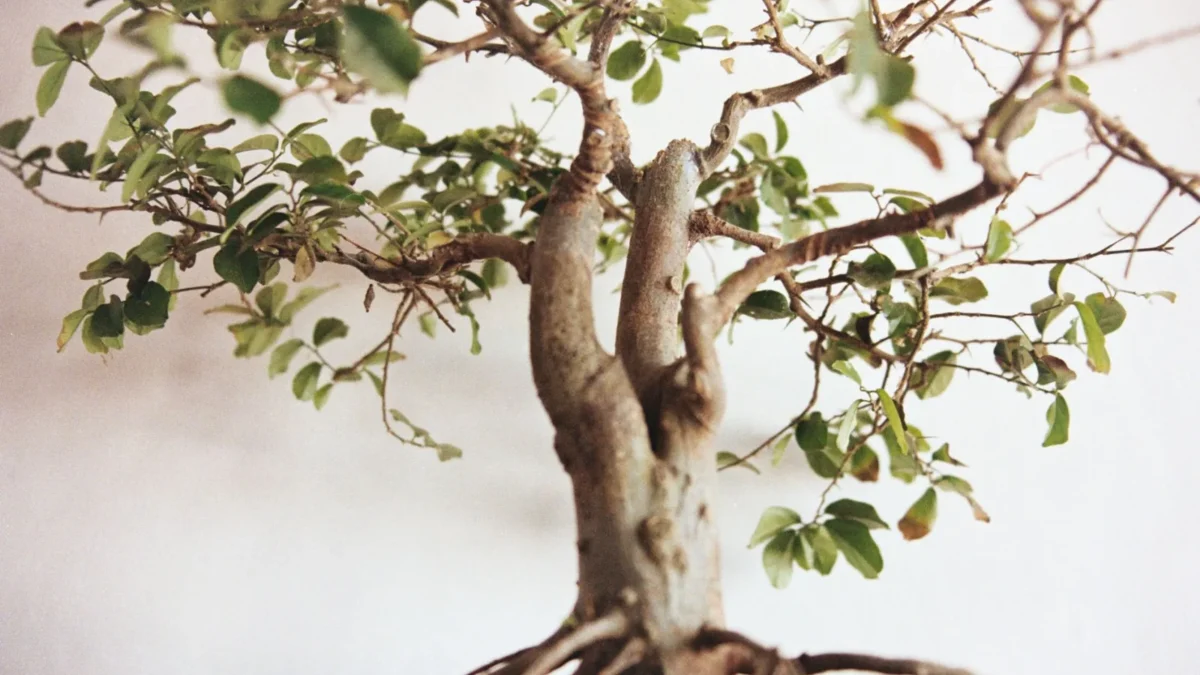
Quick answer: Yellow leaves on your weeping fig are usually caused by overwatering or poor drainage, but can also result from low light, pests, nutrient deficiencies, or sudden environmental changes. The good news is that once you identify and fix the cause, your plant will recover.
| Botanical name | Ficus benjamina |
|---|---|
| Light | bright indirect light; tolerates slightly lower light but may shed leaves |
| Watering | water when top 1-2 inches of soil dry; roughly every 7-10 days |
| Humidity | moderate to high humidity (50-65% preferred); mist regularly |
| Temperature | 65-90°F (18-24°C); avoid below 16°C (60°F) |
| Soil | soil-based potting mix; peat-free, loam-based compost |
| Feeding | balanced liquid fertilizer at half strength monthly in spring and summer only |
| Size | 2-10 feet tall |
| Difficulty | moderate |
| Cats | ⚠️ toxic — ficin and ficusin cause gastrointestinal and dermal irritation |
| Dogs | ⚠️ toxic — ficin and ficusin cause gastrointestinal and dermal irritation |
| What you see | Likely cause | What to do |
|---|---|---|
| Yellow leaves (overall or concentrated lower) with soggy soil | Overwatering or poor drainage | Allow soil to dry between waterings; check that pots have drainage holes and aren’t sitting in water |
| Yellow leaves, plant was recently moved | Adjustment to new location | Be patient—yellowing usually stops within a few weeks as the plant settles in |
| Yellowing with low light conditions | Insufficient light | Move the plant to a brighter spot with indirect light |
| Yellow leaves with fine webbing underneath | Spider mites | Wipe leaves with rubbing alcohol or spray with neem oil every 7–10 days |
| Yellow leaves with sticky residue or small bumps | Mealybugs or scale | Treat with neem oil or insecticidal soap, spraying undersides of leaves |
| Yellowing with green veins | Iron deficiency | Apply an iron-rich fertilizer or chelated iron |
How overwatering causes yellow leaves
Overwatering is the most common culprit. When you water too frequently, the roots stay waterlogged and can’t absorb nutrients effectively. This nutrient deficiency shows up first as yellowing leaves.
To water correctly, check the soil first. Water your weeping fig roughly every 7–10 days, once the top 1–2 inches of compost have dried. Soak the whole rootball until water runs from the drainage holes, then empty the saucer immediately. Make sure your plant’s pot is not standing in a dish or saucer of water.
If the problem has progressed to root rot, you’ll see yellow leaves alongside mushy black roots. Remove the infected roots and repot your plant in a new container with fresh potting mix. To prevent future issues, add perlite or coarse sand to your soil mix to improve drainage.
Why light levels and environment matter
Site your weeping fig in bright indirect light or in sunny areas with some afternoon shade. Although it can tolerate slightly lower light, too little light causes leaf shedding and yellowing. A weeping fig tucked away in a dark corner is unlikely to show full foliage—move it somewhere brighter.
When you move your weeping fig to a new location, it will need a few weeks to adjust. Some foliage may yellow and drop during this time. To minimize leaf drop, gradually move the plant to a new site in stages. For example, when returning it indoors for winter, place it on a shaded porch for a week or two before completing the move.
Pests and nutrient deficiencies
Pest problems like mealybugs or scale can cause yellowing. Look for tiny insects, sticky residue, or fine webbing on the undersides of leaves. For light infestations, wipe pests off with a cloth dipped in rubbing alcohol. For persistent problems, spray with neem oil or insecticidal soap every 7–10 days, covering the entire plant including leaf undersides.
If leaves yellow with green veins still visible, you likely have an iron deficiency. This species is prone to iron deficiency, which manifests as yellowing leaves with green veins. Supplement with an iron-rich fertilizer or chelated iron.
Prevent yellowing going forward
Erratic watering, cold draughts, and being moved are the three things most likely to cause problems. Keep your plant away from cold windows and sudden temperature swings. Maintain a temperature range of 65–90°F and moderate to high humidity of 50–65%, which you can achieve by regularly misting the leaves. Reduce watering in fall and winter when the plant is less active.
Remember: Plants remain alive and generally produce new foliage when the problem is corrected. Once you stabilize watering, light, and temperature, your weeping fig will bounce back.
Read the full guide: Weeping Fig Care: The Complete Guide
More about Weeping Fig
The same problem in other plants
- Why Are My Satin Pothos Leaves Turning Yellow?
- Why Are My Purple Shamrock Leaves Turning Green?
- Why Are My Corn Plant Leaves Turning Yellow and Brown?
- Why Are My Lucky Bamboo Leaves Turning Yellow?
Sources
- Ficus benjamina – Plant Finder
- Why is my weeping fig dropping leaves? 3 causes
- How Often to Water a Ficus Benjamina (Schedule + Signs 2026)
Photo: Zulian Yuliansyah / Pexels, Pexels