Weeping Fig Ficus benjamina
Why Is My Weeping Fig Dropping Leaves? Causes and Solutions
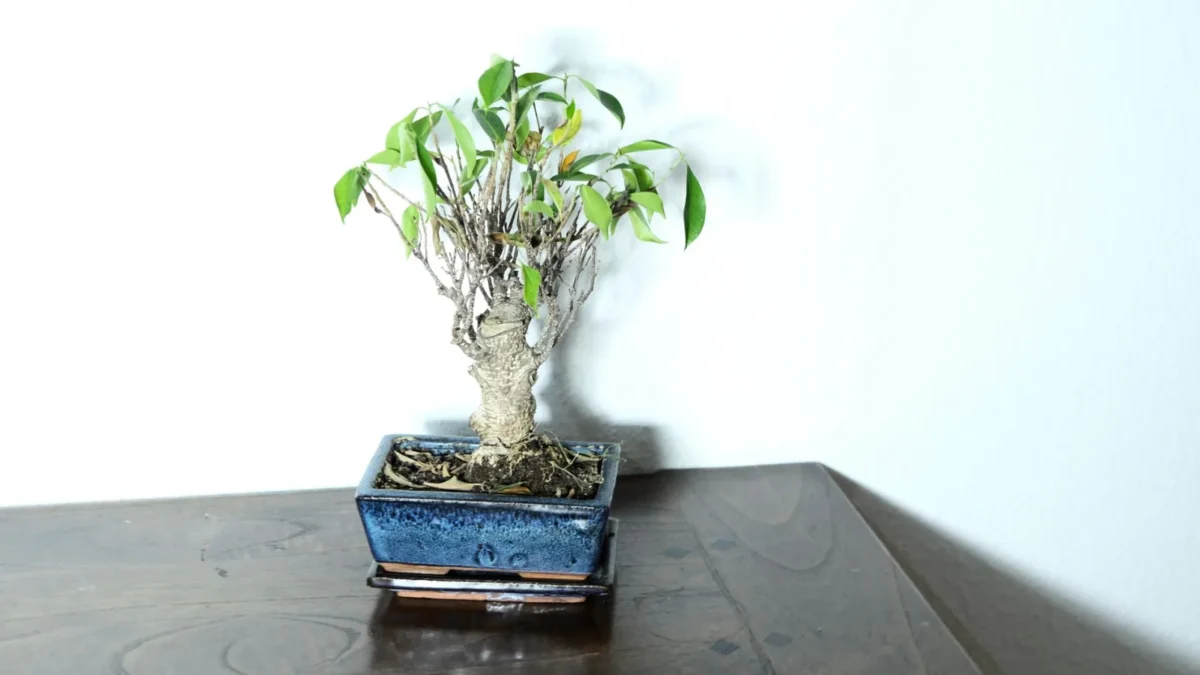
Quick answer: Your weeping fig is dropping leaves because of watering inconsistency, low light, temperature stress, or sudden changes in environment. The good news is that once you identify and fix the problem, your plant will usually regrow its foliage.
| Botanical name | Ficus benjamina |
|---|---|
| Light | bright indirect light; tolerates slightly lower light but may shed leaves |
| Watering | water when top 1-2 inches of soil dry; roughly every 7-10 days |
| Humidity | moderate to high humidity (50-65% preferred); mist regularly |
| Temperature | 65-90°F (18-24°C); avoid below 16°C (60°F) |
| Soil | soil-based potting mix; peat-free, loam-based compost |
| Feeding | balanced liquid fertilizer at half strength monthly in spring and summer only |
| Size | 2-10 feet tall |
| Difficulty | moderate |
| Cats | ⚠️ toxic — ficin and ficusin cause gastrointestinal and dermal irritation |
| Dogs | ⚠️ toxic — ficin and ficusin cause gastrointestinal and dermal irritation |
| What you see | Likely cause | What to do |
|---|---|---|
| Sudden leaf drop, often green leaves | Moving the plant or sudden temperature/light change | Move gradually to new locations; acclimate over 1-2 weeks |
| Yellowing leaves, then drop | Overwatering or poor drainage | Let top 1-2 inches of soil dry between waterings; empty saucers |
| Rapid yellowing all over, leaves drop quickly | Underwatering | Water when top 1 inch of soil is dry; don’t let it completely dry out |
| Leaves dropping in lower canopy | Low light levels | Move to a brighter spot with indirect light |
| Leaf drop with mushy roots and smell | Root rot from overwatering | Remove affected roots and repot in fresh, well-draining soil |
| Cold drafts nearby | Exposure to cold air | Move away from windows, doors, heaters in winter |
What causes leaf drop in weeping figs
Your weeping fig is sensitive to its surroundings, and erratic watering, cold drafts, and moving it are the three most common triggers for leaf drop. The plant reacts to weeks of inconsistency rather than a single mistake, so stability matters more than perfection.
Moving and environment changes
When you move your weeping fig to a new location, it needs a few weeks to adjust. To minimize shock, move it gradually in stages—for example, place it in a shaded spot for a week or two before moving it indoors for winter. Sudden changes in light and temperature are particularly stressful.
Watering problems
Water when the top 1–2 inches of compost have dried, roughly every 7–10 days. Overwatering is the most common cause of leaf drop. Yellow leaves are a sign you’re watering too much. If you see yellow leaves or leaf drop starting from the branch tips, let the top inch of soil dry out between waterings and make sure your pot isn’t sitting in a saucer of water.
Underwatering is also a problem: if leaves turn bright yellow all over and then drop, your plant isn’t getting enough water. Fix this by watering every time the soil dries to a depth of an inch.
Use lukewarm water or tap water that’s been left to sit, as cold water can shock the roots.
Low light
Weeping figs prefer bright, indirect light. Although they can tolerate slightly lower light, too little light causes them to shed leaves. If your plant is in a dark corner, move it somewhere brighter. If light is dim, reduce watering frequency to prevent root rot.
Temperature and cold drafts
Keep temperatures between 65–90°F (18–24°C). Avoid letting conditions drop below 16°C (60°F). Cold drafts from windows, doors, and heating vents will frequently cause leaf drop, so position your plant away from these areas in winter.
How to prevent leaf drop
Keep your plant’s environment stable—the same spot, consistent watering rhythm, steady temperature, and moderate to high humidity (50–65% preferred). Water on a schedule based on soil dryness, not the calendar. Check the soil by pushing your finger to the second knuckle: if it’s dry at that depth, it’s time to water. Mist the leaves regularly to maintain humidity.
If you must move your plant, do it gradually. Avoid cold water and cold drafts. Keep the plant away from sudden temperature swings and out of direct sunlight that might scorch the leaves. Once the problem is corrected, your weeping fig will recover and produce new foliage.
Read the full guide: Weeping Fig Care: The Complete Guide
More about Weeping Fig
The same problem in other plants
- Why Is My Aluminum Plant Losing Leaves? Stop the Leaf Drop Now
- Why Are My Burro's Tail Leaves Falling Off?
- Why Are My Bunny Ears Cactus Leaves Falling Off?
- Why Is My Umbrella Plant Dropping Leaves?
Sources
- Why is my weeping fig dropping leaves? 3 causes
- How Often to Water a Ficus Benjamina (Schedule + Signs 2026)
- Gardening Help FAQs
Photo: Skylar Kang / Pexels, Pexels