Weeping Fig Ficus benjamina
Is Weeping Fig Toxic to Cats, Dogs, and Other Pets?
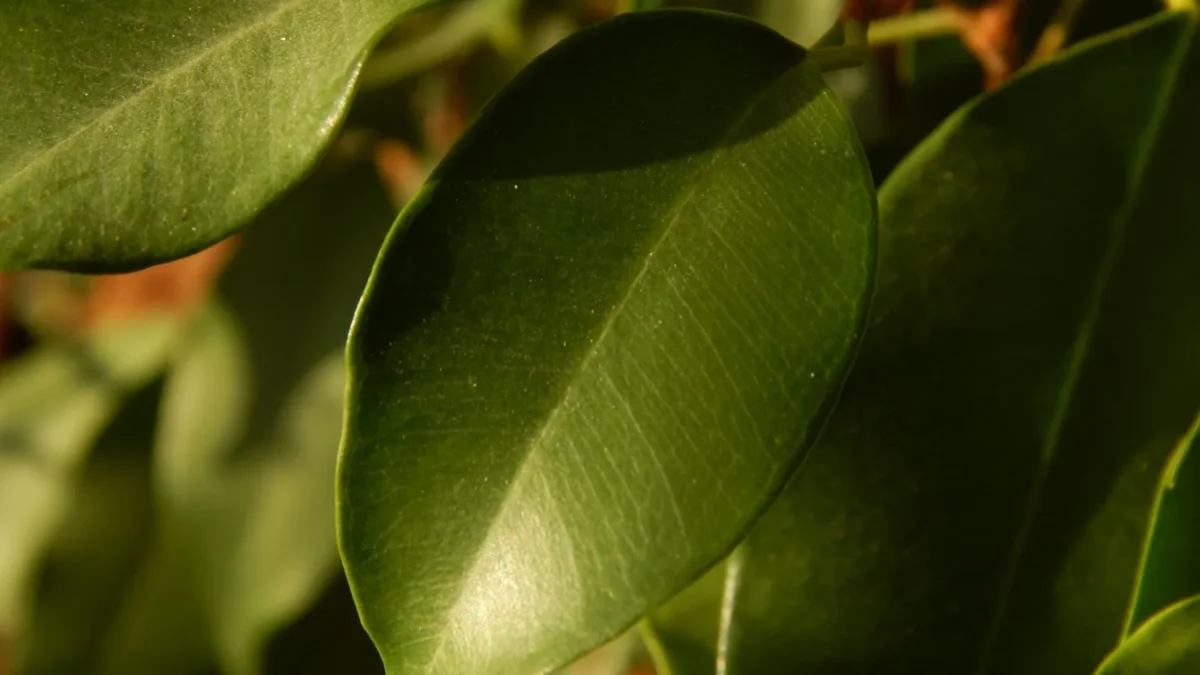
Quick answer
Quick answer: Yes, weeping fig is toxic to cats and dogs. The plant contains ficin and ficusin, compounds in its milky sap that cause gastrointestinal and dermal irritation. If your cat or dog ingests any part of this plant, contact your veterinarian or animal poison control immediately.
| Botanical name | Ficus benjamina |
|---|---|
| Light | bright indirect light; tolerates slightly lower light but may shed leaves |
| Watering | water when top 1-2 inches of soil dry; roughly every 7-10 days |
| Humidity | moderate to high humidity (50-65% preferred); mist regularly |
| Temperature | 65-90°F (18-24°C); avoid below 16°C (60°F) |
| Soil | soil-based potting mix; peat-free, loam-based compost |
| Feeding | balanced liquid fertilizer at half strength monthly in spring and summer only |
| Size | 2-10 feet tall |
| Difficulty | moderate |
| Cats | ⚠️ toxic — ficin and ficusin cause gastrointestinal and dermal irritation |
| Dogs | ⚠️ toxic — ficin and ficusin cause gastrointestinal and dermal irritation |
What makes weeping fig toxic
Weeping fig’s milky latex sap runs through the leaves, stems, and roots. This sap contains two toxic compounds: ficin (a proteolytic enzyme) and ficusin (a psoralen), both of which irritate the mouth, digestive system, and skin on contact.
When a cat chews the leaves, the sap causes immediate oral irritation, excessive drooling, and sometimes vomiting; it can also irritate the skin. The unpleasant taste and mouth discomfort usually stop cats from eating much, which limits how much harm they take in.
Symptoms to watch for
If your cat ate any part of the weeping fig, watch for decreased appetite, drooling, vomiting, and diarrhea. Skin contact with the sap may cause dermatitis or irritation on paws or face.
While weeping fig toxicity is real, the amounts cats typically ingest from chewing a leaf or two are generally not life-threatening. Even so, any ingestion warrants a call to your vet or poison control.
What to do if your pet eats weeping fig
If your animal ate this plant, call your veterinarian, the ASPCA Animal Poison Control on (888) 426-4435, or the Pet Poison Helpline on (855) 764-7661. Have the plant identification ready and describe what part your pet ate and how much, if you know.
FAQ
Is weeping fig safe for rabbits or birds?
Documented toxicity data covers cats and dogs only. For rabbits and birds, contact your vet or poison control centre if your pet has contact with or ingests any part of this plant, as they may have different sensitivities.
Is weeping fig toxic to humans?
Weeping fig’s sap is known to be toxic to cats and dogs; toxicity to humans specifically isn’t well documented, though skin contact with the sap can cause irritation. If a person ingests weeping fig, call Poison Control (1-800-222-1222 in the US) or seek medical attention.
Should I remove my weeping fig if I have cats or dogs at home?
If your cat or dog is curious about houseplants or has a history of chewing them, removing the plant is the safest choice. If you keep the plant, place it out of reach on a high shelf or in a room your pets cannot access.
Read the full guide: Weeping Fig Care: The Complete Guide
More about Weeping Fig
The same problem in other plants
- Is Burro's Tail Toxic to Cats and Dogs?
- Is Bunny Ears Cactus Toxic to Cats and Dogs?
- Is Tradescantia Zebrina Toxic to Cats and Dogs?
- Is Kalanchoe Toxic to Cats, Dogs, and People?
Sources
- Toxic and Non-toxic Plants: Fig
- Is Ficus Toxic to Cats and Dogs? Every Common Type Explained
- Are Ficus Plants Toxic to Cats?
Photo: Vitalii Bilenskyi / Pexels, Pexels