Monstera Monstera deliciosa
Why Your Monstera Isn’t Growing Leaves with Holes and How to Fix It
Quick answer
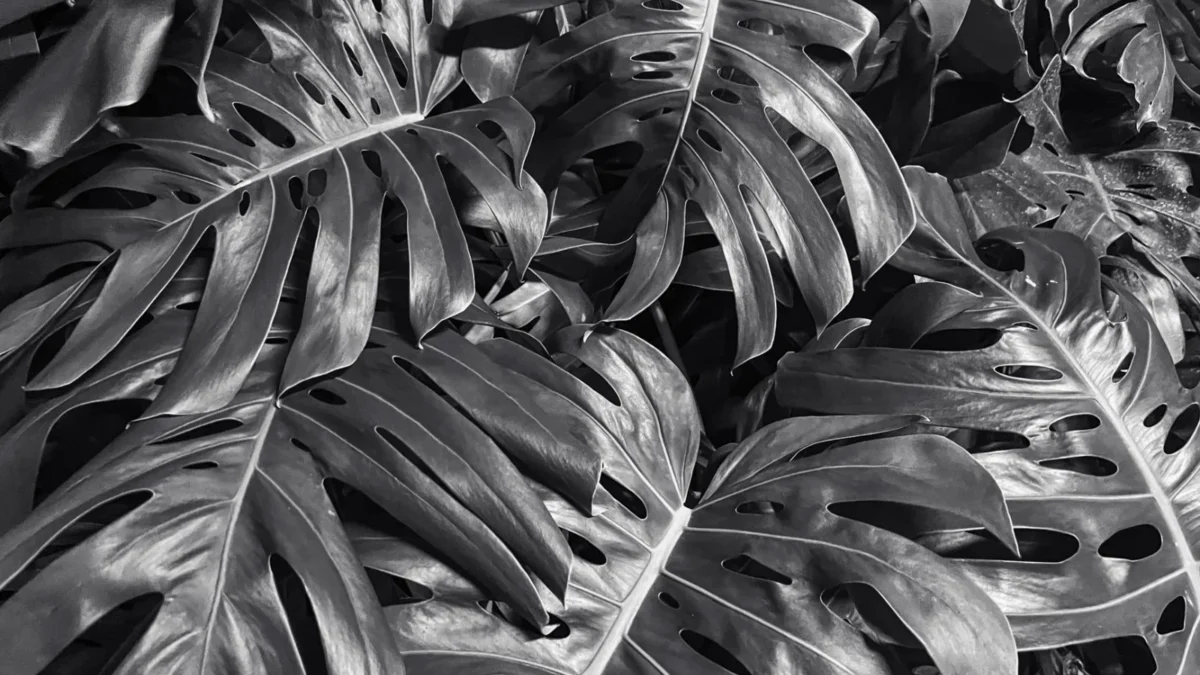
Quick answer: Your monstera isn’t growing leaves with holes because it doesn’t have enough light. Fenestration—those distinctive splits and perforations in the leaves—only develops when your plant receives 300 to 500 PPFD (photosynthetic photon flux density) for 12 to 14 hours daily, or roughly 200 to 400 foot-candles at the leaf surface. Without this level of bright indirect light, your monstera will keep producing solid leaves no matter how otherwise healthy it is.
| Botanical name | Monstera deliciosa |
|---|---|
| Light | 6-8 hours bright indirect light daily; tolerates low light but grows faster in bright indirect conditions; avoid direct |
| Watering | Water when top 2-3 inches of soil are dry; every 1-2 weeks typically; summer 7-10 days, winter 2-4 weeks |
| Humidity | Above 50%; ideally 60% or higher; use pebble tray or humidifier; avoid misting |
| Temperature | 65-85°F (18-29°C); avoid temperatures below 55°F (13°C) and cold drafts |
| Soil | Well-draining, chunky mix with perlite and orchid bark; neutral to slightly acidic pH 5.5-7 |
| Feeding | Balanced water-soluble fertilizer every 2-4 weeks during spring and summer growing season |
| Size | Up to 8-10 feet tall indoors; leaves up to 2 feet wide |
| Difficulty | easy |
| Cats | ⚠️ toxic — Calcium oxalate crystals cause mouth irritation, drooling, vomiting |
| Dogs | ⚠️ toxic — Calcium oxalate crystals cause mouth irritation, drooling, vomiting |
How much light does Monstera need indoors
Monstera deliciosa requires genuine bright indirect light to develop fenestrated leaves. Your plant needs 6 to 8 hours of bright, indirect light daily at minimum, but fenestration specifically depends on much stronger light conditions. The practical target is about 200 to 400 foot-candles delivered at the leaf surface—this is notably brighter than the minimum needed for survival.
The best window placement is an east or west-facing window placed 3 to 5 feet back from the glass, or a south-facing window 4 to 6 feet back with sheer curtains to filter direct rays. Direct sunlight, especially at midday, will scorch the leaves, so the goal is bright light without the intensity of unfiltered rays.
If your monstera is in lower light—say a north-facing window or several feet from any window—it will tolerate it and stay alive, but you won’t see those beautiful splits and holes appear. Even under fluorescent lights that keep the plant looking green, fenestration simply won’t happen without sufficient light intensity.
Why light affects fenestration
The holes and splits in monstera leaves aren’t a defect or damage—they’re a natural part of the plant’s development when conditions are right. Light triggers the fenestration response. When your plant receives strong enough indirect light consistently, it produces mature leaves with characteristic perforations. When light is weak, the plant channels its energy into basic survival rather than producing elaborate leaf shapes.
This is why improving light is usually the single most effective way to restart fenestration. If your monstera has been producing solid leaves for months or years, moving it to a brighter spot often leads to fenestrated leaves within the next few growth cycles.
Other conditions that support fenestration
While light is the dominant factor, a few other care conditions help support overall vigor and leaf development:
Temperature and humidity matter. Keep your monstera in temperatures between 65°F and 85°F (18–29°C). Humidity above 50%, ideally 60% or higher, also promotes faster, more robust growth. You can raise humidity using a pebble tray or small humidifier placed nearby.
Watering should follow the soil’s moisture, not a fixed schedule. Water when the top 2–3 inches of soil feel dry, which typically means every 1–2 weeks, though summer may require watering every 7–10 days and winter every 2–4 weeks. Proper watering keeps the plant healthy enough to produce new growth, but won’t create fenestration on its own.
Soil needs to drain well so roots stay healthy. A chunky mix with perlite and orchid bark prevents the waterlogged roots that stunt growth.
Fertilize every 2–4 weeks during spring and summer with a balanced, water-soluble fertilizer to give the plant nutrients for vigorous growth.
If you’ve addressed light and other basics but still see only solid leaves, your monstera may simply be young—very young plants sometimes produce solid leaves before fenestration begins. As it matures and you maintain bright indirect light, the fenestrated leaves will appear.
The same problem in other plants
- Why Your Amaryllis Isn't Growing and How to Encourage Growth
- Why Is My ZZ Plant Not Growing? How to Encourage New Growth
- Why Isn't Your Snake Plant Growing and How to Encourage Growth
- Why Is My Anthurium Clarinervium Not Growing?