Amaryllis Hippeastrum
Why Your Amaryllis Isn’t Growing and How to Fix It
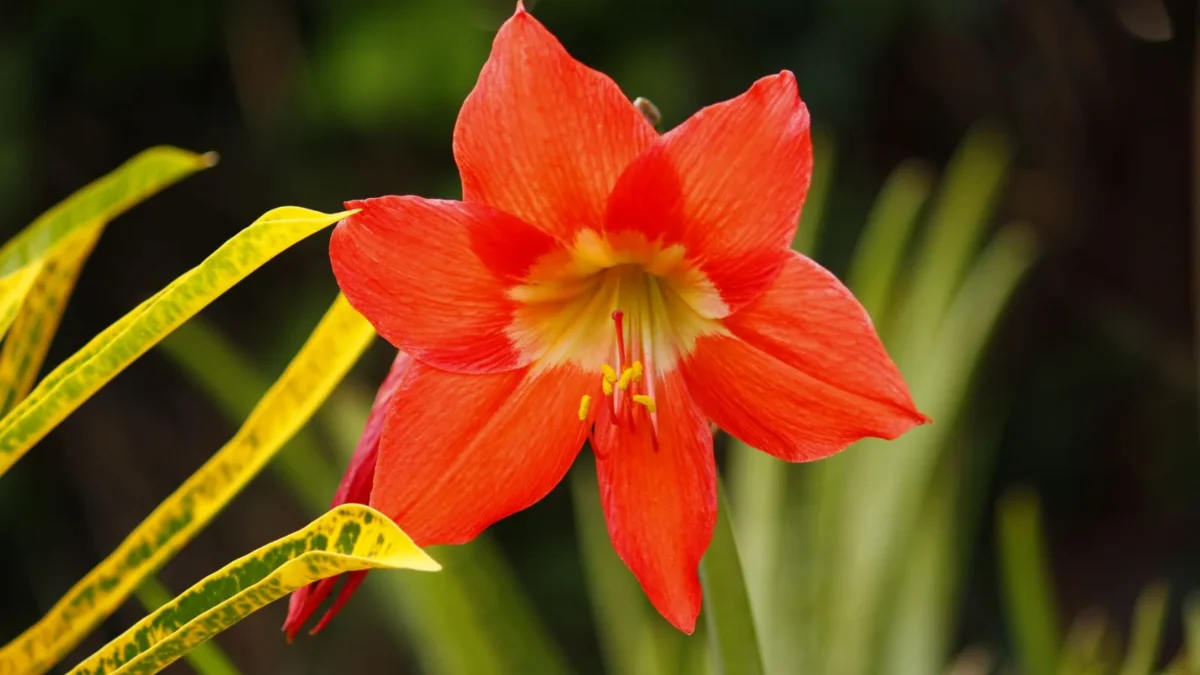
Quick answer: Amaryllis isn’t growing because of one of four problems: too little light, overwatering that rots the roots, cold temperatures, or skipping fertilizer after the flowers fade. Each has a different fix, and once you correct it, your plant will respond quickly.
| Botanical name | Hippeastrum |
|---|---|
| Light | Bright indirect light; some morning sun but not direct afternoon sun; bright light after flowering until mid-fall |
| Watering | Water when top inch of soil is dry during growing period; water sparingly until new leaves develop; avoid excess water i |
| Humidity | 40–60% preferred; average indoor humidity usually sufficient |
| Temperature | 70–75°F (21–24°C) during growing period; 55°F (13°C) September–November; around 50°F for fall dormancy; 15–18°C (60–65°F |
| Soil | Humusy, well-draining potting mix with perlite or coarse sand; peat-free John Innes No.2 or multipurpose |
| Feeding | Dilute balanced liquid fertilizer every 2 weeks during growth; high-potassium fertilization every 2–3 weeks after flower |
| Size | 1–2 feet tall, 0.75–1 foot spread; flowers 4–10 inches |
| Difficulty | moderate |
| Cats | ⚠️ toxic — Lycorine and alkaloids; vomiting, diarrhea, tremors, loss of appetite |
| Dogs | ⚠️ toxic — Lycorine and alkaloids; vomiting, diarrhea, tremors, loss of appetite |
Insufficient light is the most common growth culprit
Amaryllis plants thrive in bright light, and inadequate sunlight is a prime reason for stunted or slow growth. When your amaryllis doesn’t get enough brightness, it responds by producing pale, elongated leaves that lack the structural strength to stand upright—a condition called etiolation.
The fix is straightforward: move your plant to a brighter location. A bright east- or south-facing window usually works very well, ideally with several hours of indirect or gentle morning sun. Avoid direct afternoon sun indoors. If you can’t provide a naturally bright spot, the plant will still flower reliably from its pre-loaded bulb even in lower light, but new foliage growth and vigour depend on brightness.
After your amaryllis finishes flowering, light becomes even more critical. Continue giving bright light from the time flowers fade until mid-fall to build energy back into the bulb for next season’s bloom.
Overwatering and poor drainage stop growth by rotting roots
This is the most common mistake. Amaryllis bulbs don’t like to sit in wet soil—they prefer to dry out between waterings. If roots die from soggy conditions, they can’t absorb water or nutrients, causing leaves to yellow, wilt, and growth to halt.
Water only when the top inch of soil is dry during the growing season. When you first bring the bulb out of rest, moisten the soil lightly and wait to water again until the flower stalk begins to grow. Once the stem is growing and leaves form, water thoroughly when the top inch feels dry. Never let the bulb sit in standing water.
Use a well-draining potting mix with perlite or coarse sand to keep the root zone moist but airy. Check that your pot’s drainage hole isn’t blocked; if water is pooling, tilt the pot to drain excess immediately.
Cold temperatures and neglected feeding after flowering
Temperature matters more than many growers realize. During the growing period (winter–spring), amaryllis prefers 70–75°F (21–24°C). If your plant sits near a cold window, an air-conditioning vent, or is watered with cold tap water, the roots can be shocked, causing leaves to droop or growth to stall.
After the flowers fade, most growers make a critical error: they forget to feed the plant. Here’s the secret: the secret to keeping amaryllis thriving for years is to keep the plants actively growing after they have finished blooming. After flowering, allow the foliage leaves to grow through spring and summer in full sun with regular high-potassium fertilization every 2–3 weeks. Without this feeding and light, the bulb has no energy to build for next season’s bloom, and growth stays weak.
During active growth (before dormancy), apply a dilute, balanced liquid fertilizer every 2 weeks. Once leaves turn yellow in autumn, stop fertilizing and watering.
Distinguish dormancy from decline
Yellow leaves in autumn don’t mean failure—they’re normal. It’s normal for the leaves to turn yellow as the plant starts to go into dormancy (usually in the fall). Yellowing leaves are often the plant doing exactly what it should. After flowering and again heading into autumn, the strap leaves yellow and wither as the bulb pulls resources back for its rest period; that is normal dormancy, not decline.
If leaves yellow during active growing season and the soil is wet, that points to overwatering. Move to a brighter spot if leaves are yellow but soil is dry.
Read the full guide: Amaryllis Care: The Complete Guide
More about Amaryllis
The same problem in other plants
- Why Is My ZZ Plant Not Growing? How to Encourage New Growth
- Why Isn't Your Snake Plant Growing and How to Encourage Growth
- Why Is My Monstera Not Growing New Leaves with Holes?
- Why Is My Anthurium Clarinervium Not Growing?
Sources
- Amaryllis (Hippeastrum) Care Guide
- Amaryllis Care Guide
- Growing Hippeastrum Amaryllis Indoors – House Plants Expert
Photo: Ornán Rodríguez Velázquez / Pexels, Pexels