Anthurium Clarinervium Anthurium clarinervium
Why Is My Anthurium Clarinervium Not Growing?
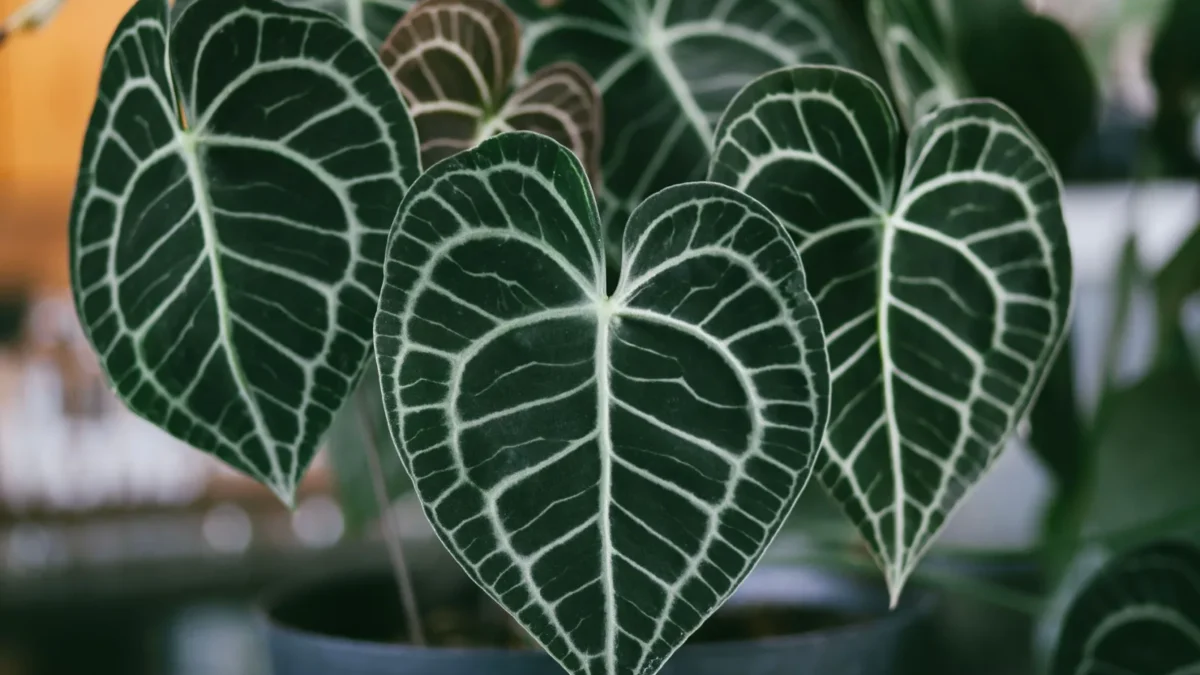
Quick answer: Your Anthurium Clarinervium is not growing because of insufficient light, low humidity below 60%, inconsistent watering, poor drainage, or lack of fertilizer during the growing season. The plant naturally grows slowly—expect one new leaf every 4–8 weeks in good conditions—but these fixes will restore steady progress.
Anthurium Clarinervium at a glance
| Botanical name | Anthurium clarinervium |
|---|---|
| Light | Bright, indirect light; avoid direct sun which scorches leaves |
| Watering | Water when top 1–2 inches of soil feel dry; use filtered or rainwater |
| Humidity | 60–85% humidity; use humidifier or moist gravel tray |
| Temperature | 65–80°F (18–27°C); keep above 55°F to prevent tissue damage |
| Soil | Acidic, chunky, well-draining mix: orchid bark, perlite, sphagnum moss, charcoal; pH 5.5–6.8 |
| Feeding | Orchid fertilizer every 2 weeks spring–autumn, or balanced liquid quarter–half strength every 4–6 weeks |
| Size | 30–60 cm tall and wide; leaves about 4 inches across |
| Difficulty | moderate |
What’s slowing your Anthurium Clarinervium’s growth
| What you see | Likely cause | What to do |
|---|---|---|
| Leggy stems, small dull leaves, no new growth | Insufficient light | Move to bright, filtered indirect location (300–800 foot-candles) |
| Brown tips and edges, stunted growth | Low humidity (below 60%) | Add humidifier or moist gravel tray |
| Soft, mushy base; entire leaves brown and yellow | Overwatering or root rot | Reduce frequency, ensure chunky, well-draining soil |
| Slow or no growth despite adequate light | Missing or infrequent fertilizer | Apply orchid fertilizer every 2 weeks spring–autumn |
| Smaller leaves, pale color | Too little light | Increase brightness to bright, indirect position |
| Yellow leaves, curled foliage | Overwatering, low humidity, or poor light | Check soil moisture, raise humidity, improve lighting |
Light is the top reason for slow growth
Without bright, indirect light, your plant won’t produce new leaves reliably. Position your flamingo flower near an east or north-facing window where it receives filtered daylight all day, or use a sheer curtain to diffuse direct afternoon sun. If stems become leggy and spaced far apart with small, dull leaves, relocate to a brighter spot immediately.
Humidity below 60% stops growth in its tracks
Your Anthurium Clarinervium needs 60–85% humidity to grow steadily. This is the single hardest variable to get right indoors. The easiest fix is a humidifier running year-round, especially in winter. Alternatively, place the pot on a tray of moist gravel or pebbles, refilling the water as it evaporates.
Water and drainage errors prevent nutrient uptake
Water only when the top 1–2 inches of soil feel dry; overwatering causes root rot, which stops growth completely. Use filtered or rainwater because tap water contains chlorine and dissolved salts that burn leaf tips and damage roots over time. Your soil must be chunky and open— mix orchid bark, perlite, sphagnum moss, and charcoal in roughly equal parts.
To prevent salt buildup that slows roots, flush the soil with plain water every 2–3 months.
Fertilizer gaps during the growing season
Infrequent fertilization during spring and summer causes stunted growth. Apply orchid fertilizer every 2 weeks from spring to autumn, or use quarter to half-strength balanced liquid fertilizer every 4–6 weeks in spring and summer. Wait about 4 weeks after repotting before feeding, as fresh soil already contains nutrients.
Your Anthurium’s thin, velvety leaves show fertilizer salt burn quickly at the tips, so flush every 2–3 months.
Temperature and consistency matter
Keep your plant between 65–80°F (18–27°C). Sudden temperature dips slow growth temporarily. Below 55°F, tissue damage begins and won’t reverse. Stable conditions—consistent humidity, watering, temperature, and light—encourage steady new leaves. Frequent changes stall growth and reduce leaf quality.
When to repot for better growth
Repot every two to three years into a slightly larger container to encourage growth, since Anthuriums are slow-growing and don’t become root-bound quickly. Fresh mix annually prevents salt stress, restores nutrients, and keeps the plant thriving.
Read the full guide: Anthurium Clarinervium Care: The Complete Guide
More about Anthurium Clarinervium
The same problem in other plants
- Why Is My ZZ Plant Not Growing? How to Encourage New Growth
- Why Isn't Your Snake Plant Growing and How to Encourage Growth
- Why Is My Monstera Not Growing New Leaves with Holes?
- Why Is My Monstera Adansonii Leggy and Not Growing?