Echeveria Echeveria
Why Are My Echeveria Leaves Drooping
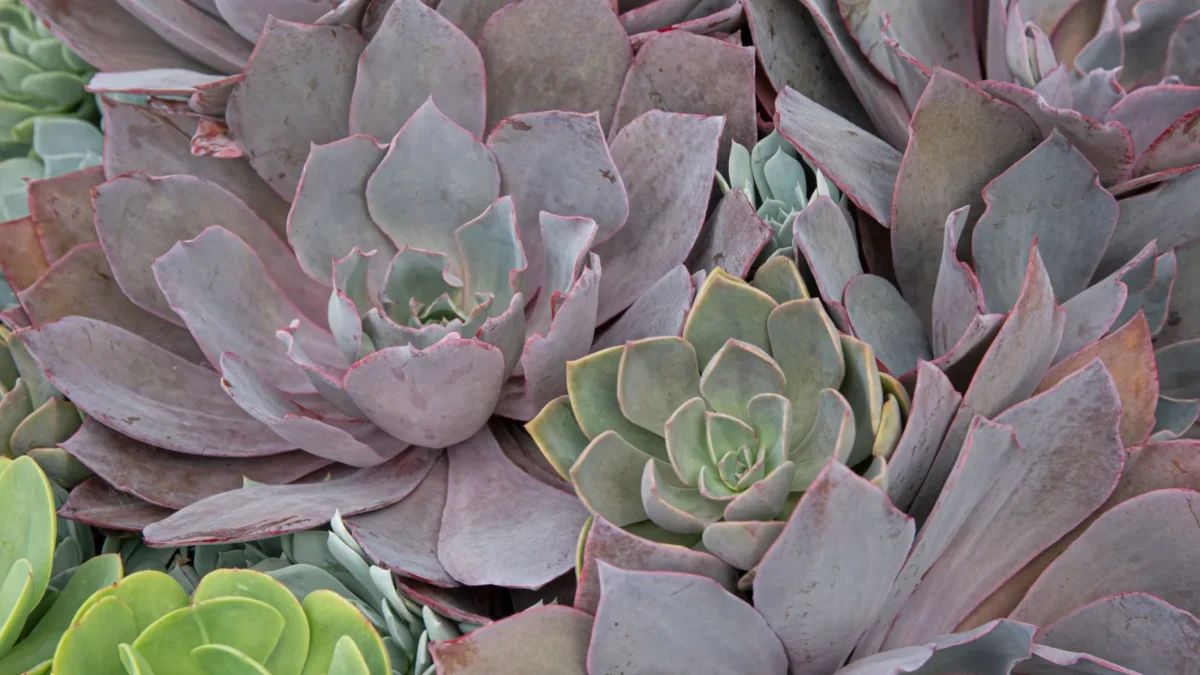
Quick answer: Echeveria leaves droop mainly due to overwatering or waterlogged soil, insufficient bright light, or exposure to cold temperatures below 45°F. Each cause has a different fix, and identifying which applies to your plant will restore its firm, upright appearance.
| Botanical name | Echeveria |
|---|---|
| Light | Bright indirect light; at least 4-6 hours daily; south or east-facing window |
| Watering | Water when soil approaches dryness; every 10-14 days summer, 28-35 days winter; never leave sitting in water |
| Humidity | 30-50%; avoid humid areas like bathrooms; humidity above 60% not ideal |
| Temperature | 65-80°F spring and summer, slightly cooler in winter; avoid below 45°F |
| Soil | Peat-free cactus compost or 1 part potting soil, 1 part perlite, 1 part coarse sand; well-draining |
| Feeding | Dilute, low-nitrogen fertilizer fortnightly during late spring and summer; not required |
| Size | 2-6 inches across in rosette form on short stems |
| Difficulty | easy |
| Cats | ✓ non-toxic |
| Dogs | ✓ non-toxic |
Why is my echeveria drooping—common causes and fixes
| What you see | Likely cause | What to do |
|---|---|---|
| Mushy, translucent, or easily falling leaves | Overwatering or root rot | Stop watering immediately, repot into dry soil, and follow the watering schedule |
| Drooping with wrinkled leaves | Underwatering | Water thoroughly when soil is completely dry |
| Drooping despite moist soil, weak growth | Insufficient light | Move to a south or east-facing window for 4–6 hours daily |
| Drooping after exposure to drafts or cold | Cold stress or temperature shock | Move away from drafty windows and maintain 65–80°F |
| Drooping in a humid bathroom or kitchen | High humidity encouraging fungal issues | Relocate to a drier area with humidity at 30–50% |
| Drooping after sudden light or temperature change | Environmental shock | Acclimate gradually to new conditions over several days |
Overwatering and root rot
Overwatering is the leading cause of drooping echeveria. These succulents store water in their fleshy leaves and need far less water than most houseplants. Water every 10–14 days in summer and 28–35 days in winter.
If the soil is wet and leaves feel mushy or look translucent, your plant likely has root rot. Act immediately: repot your echeveria into fresh, dry cactus compost or a homemade mix of 1 part potting soil, 1 part perlite, and 1 part coarse sand. Remove any dark, rotted roots before replanting. Wait at least a week before watering again.
To prevent this, never leave your echeveria sitting in water. Water only when the compost approaches dryness, and never pour water into the center rosette—it causes crown rot within days.
Weak light
Echeveria are sun worshippers and need at least 4–6 hours of bright, indirect light daily. Without enough light, the plant stretches and droops as it reaches toward the nearest light source. Leggy, weak growth is a sign your echeveria needs brighter conditions.
Move your plant to a south or east-facing window. It will take a few weeks to recover, but firm, compact growth will return.
Cold and temperature shock
Sudden cold causes leaves to droop. Echeveria prefer 65–80°F in spring and summer, and temperatures below 45°F harm the plant.
Keep your plant away from drafty windows and maintain a consistent room temperature. If you’ve recently moved your echeveria, it may be in shock from sudden light or temperature changes—allow a few days for it to adjust.
High humidity
Echeveria prefer humidity between 30% and 50%. Humidity above 60% prevents water-storing leaves from drying out properly and encourages fungal growth, leading to drooping. Avoid placing your echeveria in naturally humid areas like bathrooms or kitchens unless there is excellent ventilation.
FAQ
How often should I water my drooping echeveria to revive it?
If drooping is caused by underwatering (wrinkled leaves), water thoroughly until water drains from the bottom. If caused by overwatering, stop watering for a week and repot into dry soil. Then resume the schedule: every 10–14 days in summer, 28–35 days in winter.
Can I save an echeveria with mushy, rotting leaves?
Yes—remove it from wet soil immediately, repot into dry cactus compost, and trim away any dark, rotted roots. The healthy leaves may recover, or you can propagate them: detach plump leaves, let them callus for 1–5 days, then place on dry cactus soil. New plants grow within weeks.
Is cold from a window draft causing the drooping?
If your echeveria is near a drafty window or in a room below 45°F, it will droop. Move it to a warmer, draft-free spot and maintain steady temperatures between 65–80°F.
Read the full guide: Echeveria Care: The Complete Guide
More about Echeveria
The same problem in other plants
- Why Is My Aluminum Plant Drooping? Causes and Solutions
- Why Is My Bunny Ears Cactus Drooping?
- Why Are My Umbrella Plant Leaves Drooping?
- Why Is My Philodendron Birkin Drooping?