Asparagus Fern Asparagus setaceus
Why Is My Asparagus Fern Turning Brown? Causes and Fixes
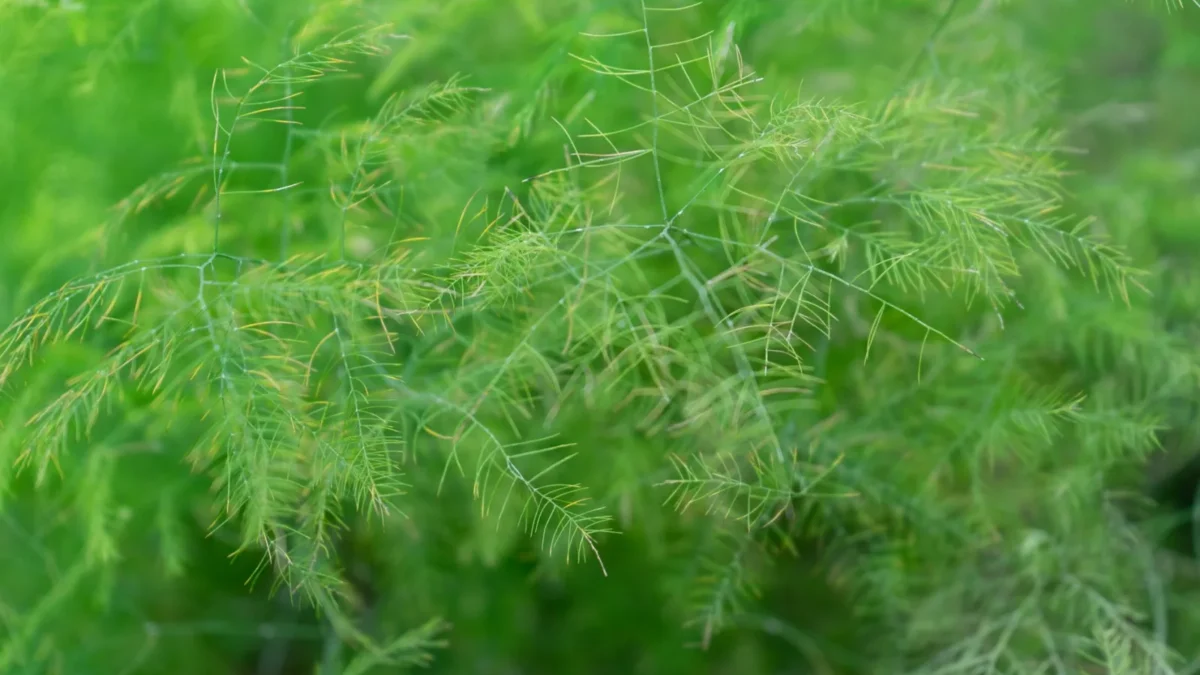
Quick answer: Asparagus fern leaves turn brown most often because of underwatering—even a single missed watering can cause brown, crispy tips. Low humidity and mineral content in tap water also cause browning, while direct sunlight scorches the delicate fronds.
| Botanical name | Asparagus setaceus |
|---|---|
| Light | Bright indirect light; avoid direct hot afternoon sun |
| Watering | Water when top 1–2 inches of soil are dry; water weekly in bright light |
| Humidity | Around 50% average humidity; increase via water tray or humidifier |
| Temperature | 65-75°F (18-24°C); tolerates minimum 50°F (10°C) |
| Soil | Well-drained, peaty/soil-based potting mix; rich, moderately fertile sandy loams |
| Feeding | Every 2-4 weeks during spring and summer with balanced, water-soluble fertilizer at half strength |
| Size | Wiry shrub with scrambling or climbing branches if supported |
| Difficulty | easy |
| Cats | ⚠️ toxic — Contains sapogenins; causes vomiting, diarrhea, skin irritation |
| Dogs | ⚠️ toxic — Contains sapogenins; causes vomiting, diarrhea, skin irritation |
| What you see | Likely cause | What to do |
|---|---|---|
| Brown, crispy tips spreading inward | Low humidity | Increase humidity to around 50% using a water tray or humidifier |
| Brown, crispy tips; dry soil | Underwatering | Water when top 1–2 inches of soil are dry, about weekly in bright light |
| Brown or scorched spots; crispy leaves | Direct sun exposure | Move plant to bright indirect light; avoid direct hot afternoon sun |
| Brown tips; white crusty soil | Excess fertilizer or mineral buildup | Use filtered or rainwater; reduce feeding to every 2–4 weeks at half strength |
| Yellowing leaves with brown tips | Poor drainage or overwatering | Ensure well-drained, peaty potting mix; don’t let soil become soggy |
Underwatering is the most common cause
Asparagus fern turns brown and crispy fastest when the soil dries out completely. Unlike true ferns, asparagus fern stores water in fleshy tuberous roots, so it tolerates one missed watering better than soggy soil—but it won’t tolerate neglect for long. The brown tips start at the leaf edges and spread inward if watering doesn’t resume.
Water when the top 1–2 inches of soil feel dry. In bright light indoors, this usually means watering about once a week. Use slow, even watering and ensure your pot has drainage holes to prevent water sitting at the roots.
Low humidity and tap water minerals
If your plant sits in dry air, the leaf tips brown first, then the damage spreads inward. Asparagus fern prefers around 50% average humidity. Increase it by placing a water tray near the plant or using a humidifier.
Tap water minerals also cause brown, crispy tips. Switch to filtered or rainwater where you can—ferns are sensitive to chlorine and mineral buildup.
Scorching from direct sun and excess fertilizer
Direct hot afternoon sun burns the delicate fronds and causes them to brown and crisp. Keep your asparagus fern in bright indirect light instead.
Overfeeding also browns the leaf tips. Signs of excess fertilizer include brown tips, stunted growth, and a white crust on the soil. Fertilize only every 2–4 weeks during spring and summer with a balanced, water-soluble fertilizer at half strength.
Prevent browning going forward
Check soil moisture weekly—water when the top 1–2 inches are dry, not before. Use rainwater or filtered water. Maintain humidity around 50% with a tray or humidifier. Keep your plant away from direct afternoon sun in bright, indirect light. Fertilize sparingly at half strength during the growing season. These simple steps will keep your asparagus fern green and healthy.
Read the full guide: Asparagus Fern Care: The Complete Guide
More about Asparagus Fern
The same problem in other plants
- Why Are My Mini Monstera Leaves Turning Brown?
- Why Are My Anthurium Clarinervium Leaves Turning Brown?
- Why Is My Rabbit's Foot Fern Turning Brown?
- Why Are My Venus Flytrap Leaves Turning Black?
Sources
- Asparagus Fern: A Complete Care Guide 🌟 – Healthy Houseplants
- Asparagus setaceus – Plant Finder
- Why Is My Asparagus Fern Turning Brown – Our Wild Garden
Photo: Eftodii Aurelia / Pexels, Pexels