Asparagus Fern Asparagus setaceus
Asparagus Fern Light Requirements: The Complete Guide
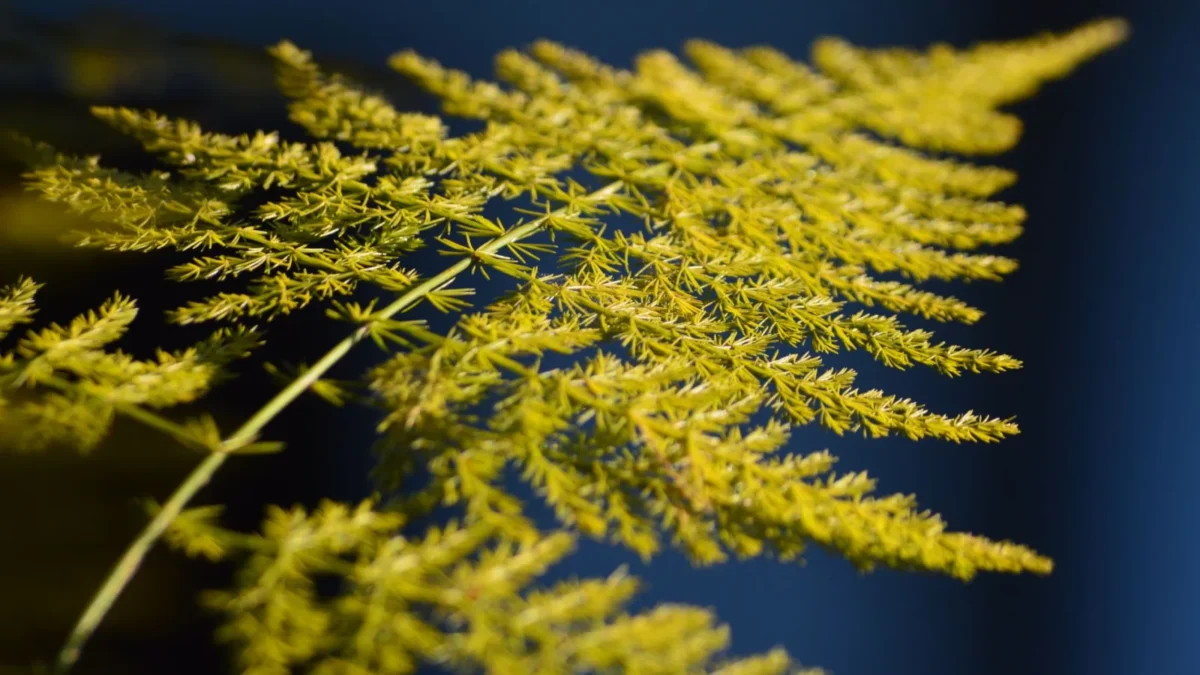
Quick answer: Asparagus ferns need bright indirect light to thrive. Avoid direct hot afternoon sun, which causes leaves to yellow. The plant grows best in part shade but tolerates periods of lower light thanks to its tuberous roots.
| Botanical name | Asparagus setaceus |
|---|---|
| Light | Bright indirect light; avoid direct hot afternoon sun |
| Watering | Water when top 1–2 inches of soil are dry; water weekly in bright light |
| Humidity | Around 50% average humidity; increase via water tray or humidifier |
| Temperature | 65-75°F (18-24°C); tolerates minimum 50°F (10°C) |
| Soil | Well-drained, peaty/soil-based potting mix; rich, moderately fertile sandy loams |
| Feeding | Every 2-4 weeks during spring and summer with balanced, water-soluble fertilizer at half strength |
| Size | Wiry shrub with scrambling or climbing branches if supported |
| Difficulty | easy |
| Cats | ⚠️ toxic — Contains sapogenins; causes vomiting, diarrhea, skin irritation |
| Dogs | ⚠️ toxic — Contains sapogenins; causes vomiting, diarrhea, skin irritation |
Understanding Your Asparagus Fern’s Light Needs
Asparagus ferns are forgiving houseplants, but light is crucial to their appearance and health. Bright indirect light keeps foliage dense and green, while the right conditions prevent the common problems that make this plant look stressed.
The key is balance. Too much direct sun scorches the delicate needle-like leaves, turning them brown and crispy. Too little light causes the plant to become leggy and sparse, with pale leaves that develop slowly.
Light Conditions That Work
Position your asparagus fern where it gets bright, filtered light throughout the day. A bright window with a sheer curtain, a few feet back from a sunny window, or an east-facing spot all work well. The plant appreciates strong light but without the intense afternoon heat of a south or west-facing wall.
If you notice leaves turning crispy, brown, or yellow with scorched spots, move the plant further from the window. Excessive light causes foliage to become crispy and needle-like leaves to shed from intense heat.
What Happens With Too Little Light
Insufficient light combined with low watering causes yellow needles that drop, making the plant look bare. If your asparagus fern is not getting enough bright light, the stems will stretch and leaves will remain sparse and pale. Move it closer to a window or to a brighter location to encourage bushier, more attractive growth.
Seasonal Adjustments
Asparagus ferns need consistent bright indirect light year-round. In winter, when natural light is weaker, place the plant in the brightest spot available, though you don’t need to increase artificial light if indoor conditions are already bright. In summer, protect it from the harsh afternoon sun on south-facing windows, which is more likely to scorch foliage than the gentler winter sun.
Pairing Light With Other Care
Light works best when combined with proper watering. In bright light, water when the top 1–2 inches of soil feel dry, which typically means about once a week indoors. Lower light means slower growth and slower soil drying, so check soil before watering—overwatering in low light will cause root problems far faster than in bright conditions.
FAQ
Can asparagus fern grow in low light?
Asparagus fern tolerates part shade and can survive in lower light, but it will become leggy and lose its compact, attractive shape. Bright indirect light is ideal for full, healthy growth.
What’s the difference between direct and indirect light?
Direct light means sun streaming unobstructed through a window onto the plant—harmful for asparagus fern, especially in the hot afternoon. Indirect light is diffused by clouds, curtains, trees, or distance from the window, giving the plant brightness without intensity.
Will my asparagus fern get scorched outside?
Yes. While asparagus ferns can be moved outdoors in mild weather, direct sun will scorch the delicate fronds. Keep it in a shaded or dappled-light spot if you move it outside.
Read the full guide: Asparagus Fern Care: The Complete Guide
More about Asparagus Fern
The same problem in other plants
- Fishbone Cactus Light Requirements: Where and How Much?
- What Light Does Monstera Siltepecana Really Need?
- What Light Does Alocasia Frydek Need to Thrive?
- What Light Does Philodendron Micans Need to Thrive?
Sources
- Asparagus Fern Light Requirements Explained – Biology Insights
- Asparagus setaceus – Plant Finder
- Plant DetailShow Menu
Photo: César+Mirna Choto / Pexels, Pexels