Rabbit's Foot Fern Davallia fejeensis
Why Is My Rabbit’s Foot Fern Turning Brown?
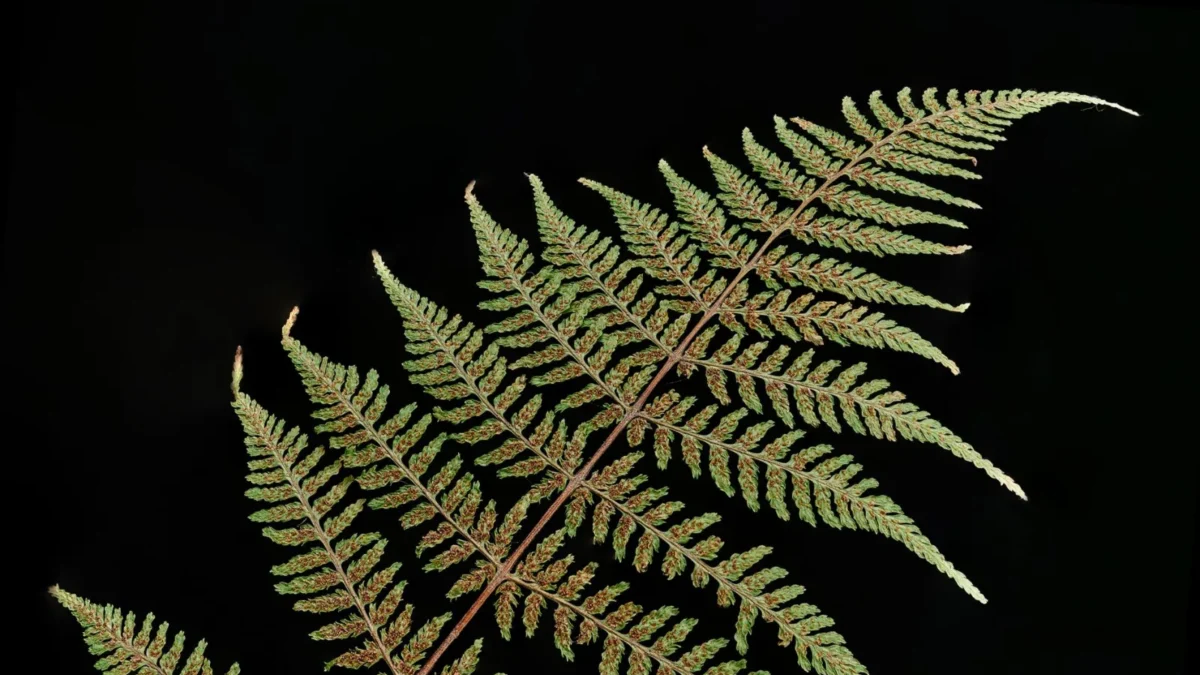
Quick answer: Brown fronds on your rabbit’s foot fern usually come from low humidity, inconsistent watering, direct sunlight, or over-fertilizing. Check which cause matches your plant’s situation using the table below, then adjust your care routine.
Rabbit's Foot Fern at a glance
| Botanical name | Davallia fejeensis |
|---|---|
| Light | Bright indirect light; avoid direct sun |
| Watering | Keep soil moist but not soggy; allow top ½ inch to dry between waterings |
| Humidity | High humidity preferred; 50-80% ideal; tolerates 40-60% |
| Temperature | 60-75°F (15-24°C) day; minimum 50°F (10°C) night |
| Soil | Coarse, fast-draining mix: orchid bark, sphagnum moss, perlite; avoid standard potting soil |
| Feeding | Feed twice monthly at ¼ strength; do not fertilize in winter |
| Size | 1-3 feet tall; 1-4 feet spread indoors |
| Difficulty | easy |
| Cats | ✓ non-toxic |
| Dogs | ✓ non-toxic |
| What you see | Likely cause | What to do |
|---|---|---|
| Brown frond tips and crispy edges | Low humidity | Increase humidity to 50–80% using a mist bottle, pebble tray, or humidifier |
| Wilting, drooping, dry crispy fronds | Underwatering | Allow only the top ½ inch of soil to dry between waterings; keep soil consistently moist |
| Limp, soft fronds; yellowing; mushy stems | Overwatering | Let the top ½ inch dry out before watering; check drainage holes and soil type |
| Scorched, brown fronds | Direct sunlight | Move to bright, indirect light away from direct sun |
| Brown frond tips despite good humidity and watering | Over-fertilizing or salt buildup | Switch to ¼-strength fertilizer fed twice monthly; skip winter feeding |
| Brown or soft rhizomes | Poor drainage or overwatering | Repot in fast-draining mix of orchid bark, sphagnum moss, and perlite |
Understanding each cause
Low humidity is the most common culprit. Your rabbit’s foot fern’s frond tips will turn brown if humidity drops below ideal levels. These ferns are native to Fiji and thrive in high humidity environments, preferring 50–80%. Even though they can tolerate 40–60% humidity indoors thanks to their fuzzy rhizomes that store water, consistent low humidity causes distress. To fix this, mist fronds regularly, place the pot on a pebble tray, or use a humidifier.
Underwatering and inconsistent watering stress the plant because it has shallow roots. Signs include drooping fronds, dry crispy leaf edges, and slow growth. The soil should be kept moist but not soggy, with only the top ½ inch allowed to dry between waterings.
Overwatering causes limp, soft fronds. Look for yellowing fronds, mushy stems near the soil line, and fungal growth on the surface. Brown rhizomes are a sign of overwatering or poor drainage. Allow the top ½ inch of soil to dry slightly between waterings to prevent this.
Direct sunlight will scorch the fronds and turn the rhizomes brown. Keep your plant in bright, indirect light.
Over-fertilizing is often misdiagnosed as low humidity. Full-strength fertilizer burns the shallow, sensitive root system and causes brown frond tips. Feed at ¼ strength twice monthly only during the growing season; skip winter feeding entirely, as fertilizing in winter causes salt accumulation that damages roots and causes persistent browning even when humidity and watering are correct.
Poor drainage and wrong soil are silent killers. Standard potting soil will rot the rhizomes. Use a coarse, fast-draining mix of chunky orchid bark, long-fibre sphagnum moss, and perlite in roughly a 2:1:1 ratio.
Preventing browning
Maintain bright, indirect light, keep humidity at 50–80%, water consistently so the soil stays moist (not soggy), and use the correct fast-draining soil mix. Keep temperatures between 60–75°F during the day and at least 50°F at night, and avoid drafts and sudden temperature swings. Feed only during the growing season at ¼ strength.
Read the full guide: Rabbit's Foot Fern Care: The Complete Guide
More about Rabbit's Foot Fern
The same problem in other plants
- Why Are My Bamboo Palm Leaves Turning Brown and Dry?
- Why Are My Mini Monstera Leaves Turning Brown?
- Why Are My Anthurium Clarinervium Leaves Turning Brown?
- Why Is My Asparagus Fern Turning Brown?
Sources
- Rabbit's Foot Fern (Davallia fejeensis) Care Guide 🌟 – Healthy Houseplants
- Rabbit’s Foot Fern
- Rabbit Foot Fern Care: The Furry-Rhizome Fern That Tolerates Drier Air – Blooming Expert
Photo: Aleksandr Nadyojin / Pexels, Pexels