Anthurium Clarinervium Anthurium clarinervium
Why Are My Anthurium Clarinervium Leaves Turning Brown?
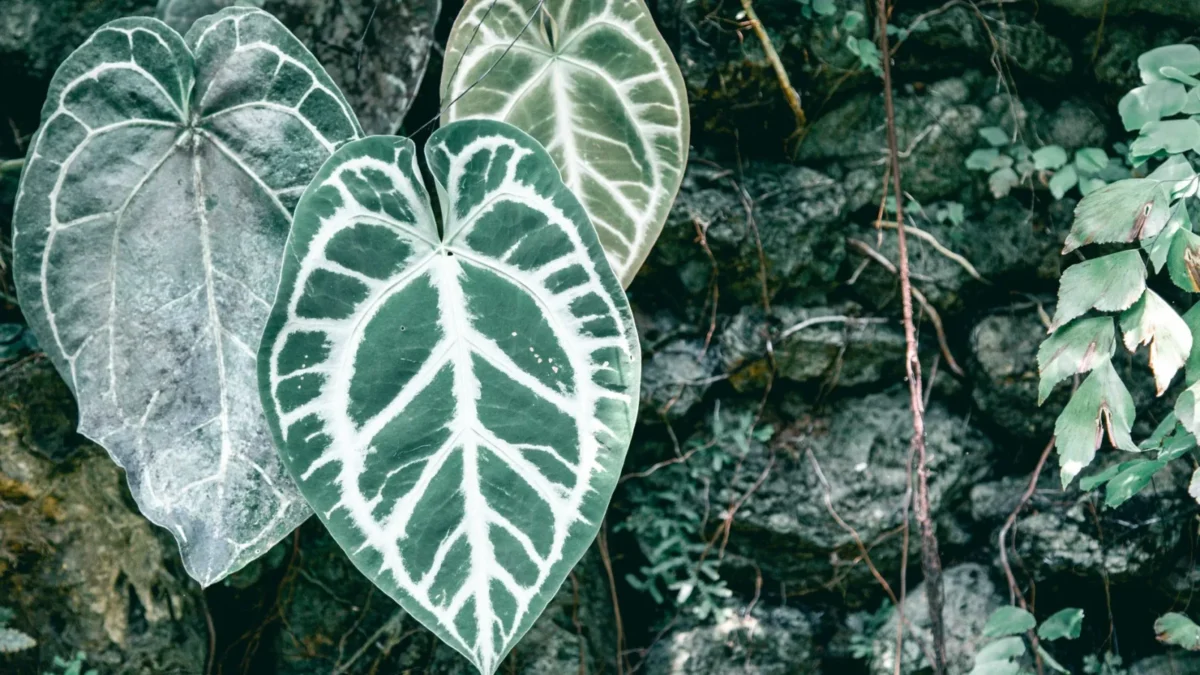
Quick answer: Brown leaves on anthurium clarinervium most often result from low humidity, watering problems, or direct sun exposure. Fix the underlying cause—increase humidity to 60–85%, water only when the top 1–2 inches of soil feel dry, and move your plant away from direct sunlight.
Anthurium Clarinervium at a glance
| Botanical name | Anthurium clarinervium |
|---|---|
| Light | Bright, indirect light; avoid direct sun which scorches leaves |
| Watering | Water when top 1–2 inches of soil feel dry; use filtered or rainwater |
| Humidity | 60–85% humidity; use humidifier or moist gravel tray |
| Temperature | 65–80°F (18–27°C); keep above 55°F to prevent tissue damage |
| Soil | Acidic, chunky, well-draining mix: orchid bark, perlite, sphagnum moss, charcoal; pH 5.5–6.8 |
| Feeding | Orchid fertilizer every 2 weeks spring–autumn, or balanced liquid quarter–half strength every 4–6 weeks |
| Size | 30–60 cm tall and wide; leaves about 4 inches across |
| Difficulty | moderate |
| What you see | Likely cause | What to do |
|---|---|---|
| Brown, crisp leaf tips and edges | Low humidity (below 60%) | Increase humidity to 60–85% using a moist gravel tray; a humidifier is most reliable for winter |
| Brown tips and edges, dry soil pulling from pot edges | Underwatering or tap water chemicals | Water when top 1–2 inches of soil feel dry; switch to filtered or rainwater |
| Entire leaves brown, yellow, mushy from base upward | Overwatering and root rot | Reduce watering frequency; ensure soil drains well; repot if roots are mushy |
| Brown spots with yellow rings on leaf surface | Leaf blight (fungal infection) | Remove affected leaves at the base; improve air circulation; avoid misting |
| Scorched, papery brown edges and tips | Direct sunlight | Move plant to bright, indirect light away from sun exposure |
| Pale or slow growth with brown discoloration | Salt buildup from tap water | Flush soil with plain water every 2–3 months; use filtered or rainwater |
Understanding what causes brown leaves
Brown leaves on your flamingo flower usually point to one of three issues: environmental stress, watering problems, or disease. The good news is that each has a clear fix once you identify it.
The most common culprit is low humidity. Your anthurium clarinervium has thicker leaves than many tropical houseplants, so it tolerates low humidity better than others, but it will struggle if the air is too dry. Brown, papery tips are the telltale sign. To raise humidity reliably, place your pot on a tray of moist gravel or pebbles, or run a humidifier in the room. Misting raises humidity only briefly and risks fungal spotting on the soft leaf surface, so it’s not ideal long-term.
Watering and water quality matter equally. Underwatering causes prolonged dryness and brown, crisp tips, but so does tap water itself. Chlorine and dissolved salts from tap water build up in the soil and burn leaf tips brown. Switch to filtered or rainwater and water only when the top 1–2 inches of soil feel dry. Every 2–3 months, flush the soil with plain water to clear salt buildup.
Direct sunlight scorches the velvety leaves, causing tips and edges to turn brown. Your flamingo flower needs bright, indirect light—never direct sun.
Overwatering and root rot are more serious. If entire leaves turn brown, yellow, and mushy from the base upward, root rot has set in. This happens when soil stays wet too long; dense, waterlogged medium starves roots of oxygen and triggers fungal rot. Repot into fresh, chunky, well-draining mix immediately—damaged roots cannot absorb water or nutrients.
Leaf blight produces brown spots ringed with yellow on the soft leaf surface. Remove and discard infected leaves by breaking the petiole close to the blade. Improve air circulation and avoid misting, which spreads the fungus.
How to prevent brown leaves
Stability is the key to keeping your anthurium clarinervium healthy. Maintain humidity at 60–85%, water when soil partially dries (never let it stay soggy), use filtered or rainwater, and keep your plant in bright, indirect light away from sun exposure. Flush the soil every 2–3 months to prevent salt stress. Check the base of the plant regularly for mushy stems or a foul smell—both signal root problems that need immediate attention. With these simple habits, brown leaves become rare.
Read the full guide: Anthurium Clarinervium Care: The Complete Guide
More about Anthurium Clarinervium
The same problem in other plants
- Why Are My Baby Tears Leaves Turning Brown?
- Why Are My Bamboo Palm Leaves Turning Brown and Dry?
- Why Are My Mini Monstera Leaves Turning Brown?
- Why Is My Rabbit's Foot Fern Turning Brown?
Sources
- Anthurium Clarinervium: The Velvet Heart with Silver Veins — The Planters' Guild
- Anthurium clarinervium
- Anthurium Clarinervium Care Guide: Light, Soil & Water – Greenery Inside
Photo: sukrit lamthong / Pexels, Pexels