Mini Monstera Rhaphidophora tetrasperma
Why Are My Mini Monstera Leaves Turning Brown
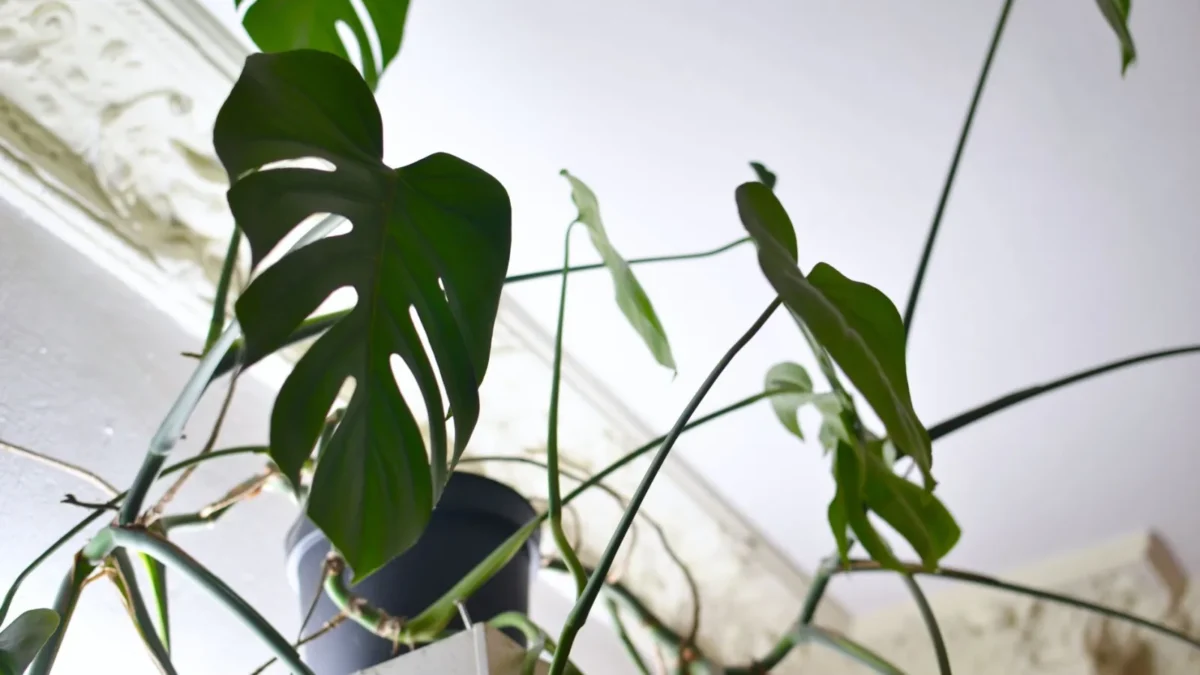
Quick answer: Brown leaves on your Mini Monstera usually come from low humidity, underwatering, or overfertilization. Check if the brown patches are dry or mushy, then adjust watering and humidity accordingly.
| Botanical name | Rhaphidophora tetrasperma |
|---|---|
| Light | Bright indirect light (300–500 fc); avoid direct sun; add grow light for mature fenestrations |
| Watering | Water when top 3–4 cm soil is dry; keep evenly moist but never wet; avoid daily watering |
| Humidity | 50–60% or higher; mist regularly to increase humidity and prevent brown leaves |
| Temperature | 65–80°F (18–27°C) ideal; tolerate 55–85°F; avoid cold drafts |
| Soil | Well-aerated potting mix with peat, perlite, pine bark, orchid bark, and sphagnum moss |
| Feeding | Balanced fertilizer monthly during spring and summer; reduce or stop in fall and winter; avoid overfertilizing |
| Size | Indoors 3–6 ft; vines can reach up to 12 ft; fast-growing with small leaves |
| Difficulty | easy |
Common causes of brown Mini Monstera leaves
| What you see | Likely cause | What to do |
|---|---|---|
| Light brown tips and edges, plant thriving otherwise | Low humidity (below 50%) | Increase humidity with regular misting |
| Dry, crispy brown patches; drooping leaves | Underwatering | Water when top 3–4 cm soil is dry; ensure consistent moisture |
| Dark brown patches; soft soil; musty smell | Overwatering or root rot | Let soil dry out between waterings; check for fungus gnats |
| Brown leaf tips specifically | Low humidity or overfertilization | Mist regularly and dilute fertilizer |
| Scorched, bleached brown spots | Too much direct sunlight | Move away from direct sun rays |
Low humidity is the most common culprit
Mini Monstera leaves turning brown at the tips and edges almost always signals humidity that’s too low. Your plant prefers humidity around 50–60% or higher. Even if your home stays at 45% humidity, your plant will likely struggle without more.
The easiest fix is misting. Use a spray bottle to mist the leaves regularly—this also removes dust and keeps your plant looking fresh. For a longer-term solution, group your plant with others (they release moisture together), place it near a kitchen or bathroom window, or set a tray filled with water and pebbles nearby.
Underwatering causes dry, drooping brown leaves
If you’re watering sporadically, your Mini Monstera will develop brown leaves. The plant does forgive occasional missed waterings, but weeks of bone-dry soil will damage the leaves and roots.
When underwatered, leaves don’t just turn brown—they feel dry and papery, and the whole plant droops. Water when the top 3–4 cm of soil feels dry to the touch. Aim for consistent, even moisture—this is the key to keeping your plant healthy. That said, avoid watering every day; let the soil dry slightly between waterings and allow it to settle evenly moist but never soggy.
Overwatering creates dark brown patches and root rot risk
Too much water causes dark brown patches (rather than light brown tips). Soil that stays wet attracts fungus gnats and eventually leads to root rot, which ruins the roots and makes the plant decline rapidly.
Always let the top layer of soil dry out between waterings. If your soil is dense or drains slowly, switch to a well-draining mix with peat, perlite, pine bark, and sphagnum moss.
Brown tips from overfertilization
Brown leaf tips can also signal fertilizer burn. Mini Monstera has sensitive roots and is susceptible to overfertilizing. Use a balanced fertilizer only once a month during spring and summer, then reduce or stop entirely in fall and winter. If your plant isn’t used to regular feeding, dilute the fertilizer more than the package recommends to prevent burn.
How to prevent brown leaves going forward
Maintain humidity between 50–60% by misting every few days. Water when the top 3–4 cm is dry, keeping soil evenly moist without becoming waterlogged. Position your plant in bright indirect light close to a window. Feed sparingly during the growing season and skip fertilizer in winter. Check the soil with your fingertip before watering to avoid guessing. These simple habits will keep your Mini Monstera healthy and green.
FAQ
Can I cut off brown leaves?
Yes, remove dead or dying leaves with clean, sharp scissors. Trim about a quarter-inch above the node. This won’t cure the underlying problem, but it keeps the plant looking neat while you fix the watering or humidity issue.
Will brown leaves turn green again?
No, individual brown patches are permanent damage and won’t recover. New growth will be healthy once you correct the cause, so focus on prevention moving forward.
What light should my Mini Monstera get?
Your plant thrives in bright indirect light (300–500 footcandles). Position it close to a bright window but away from direct sun, which can scorch the leaves.
Read the full guide: Mini Monstera Care: The Complete Guide
More about Mini Monstera
The same problem in other plants
- Why Are My Coffee Plant Leaves Turning Brown and Crispy?
- Why Are My Baby Tears Leaves Turning Brown?
- Why Are My Bamboo Palm Leaves Turning Brown and Dry?
- Why Are My Anthurium Clarinervium Leaves Turning Brown?
Sources
- How to Plant, Grow, and Care for Rhaphidophora Tetrasperma
- Why does my Mini Monstera (Rhaphidophora Tetrasperma) have brown leaves?
- Mini monstera: care, location & propagation – Plantura
Photo: Skylar Kang / Pexels, Pexels