Baby Tears Soleirolia soleirolii
Baby Tears Plant Care: The Complete Growing Guide
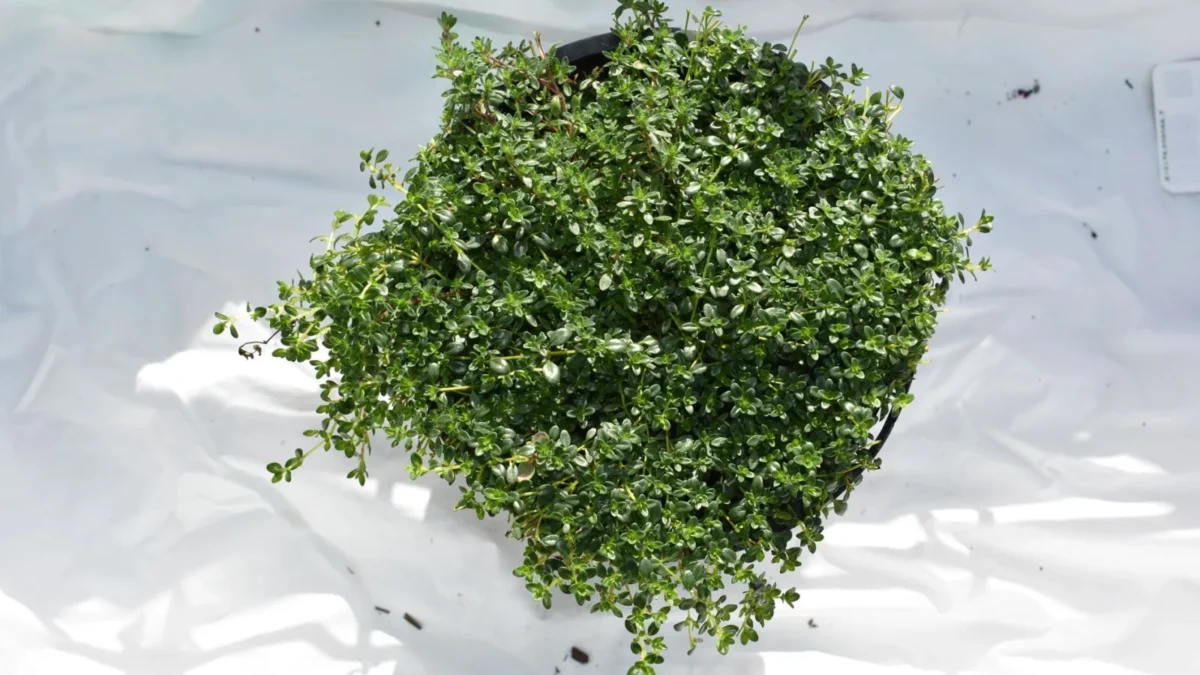
Baby Tears (Soleirolia soleirolii) is a creeping, mat-forming evergreen perennial that brings delicate, moss-like texture to indoor spaces. Its tiny rounded leaves—no bigger than a quarter inch—spread aggressively to fill containers and create lush groundcover, making the plant instantly recognizable. Learning to grow baby tears successfully means mastering one essential skill: balancing moisture without letting the soil become waterlogged. Get that right, and you’ll have a rewarding plant that responds quickly and visibly to good care.
| Botanical name | Soleirolia soleirolii |
|---|---|
| Light | Bright indirect light; tolerates partial shade. Avoid direct sun to prevent leaf scorch. |
| Watering | Keep soil consistently moist but not soggy. Water every 5-7 days; check if top 2-4 inches of soil is dry before watering |
| Humidity | Humidity above 50%; aim for about 60%. Daily misting with distilled water or plant humidifier recommended. |
| Temperature | Average room temperatures 60-75°F (16-24°C). Avoid temperatures above 78°F or below 50°F and fluctuations greater than 1 |
| Soil | Well-draining, loamy soil with peat moss. Slightly acidic, pH 5-6. Add perlite for drainage. Use pots with drainage hole |
| Feeding | Balanced liquid fertilizer every 4-6 weeks during growing season (spring and summer). |
| Size | 1-2 inches tall (sometimes to 5 inches); spreads 3-6 feet wide by fragile stems that root as they grow. |
| Difficulty | demanding |
Key points
- Keep soil consistently moist but never soggy; water every 5–7 days and check the top 2–4 inches before watering
- Provide bright indirect light and humidity above 50%, ideally around 60%
- Use well-draining loamy soil with peat moss, pH 5–6, and always use a pot with a drainage hole
- Keep room temperature between 60–75°F (16–24°C); avoid temperature swings and never expose to direct sun
- Fertilize lightly every 4–6 weeks during spring and summer only
- The plant is non-toxic to cats and dogs, but remains delicate and easily damaged
What Are Baby Tears Plants?
Baby Tears belongs to the nettle family, Urticaceae. The plant is native to certain islands in the western Mediterranean, particularly Corsica and Sardinia. Unlike many houseplants, baby tears isn’t beginner-friendly because it forgives mistakes—it’s beginner-friendly because your plant’s responses are immediate and visible. When conditions slip, you’ll know within days. This makes it easier to learn what works, even though the plant itself is demanding.
Physically, baby tears stays remarkably short, reaching only 1–2 inches tall (occasionally to 5 inches), but spreads aggressively and indefinitely, expanding to 3–6 feet wide via many-branched fragile stems that root as they creep along the soil. The leaves are shiny, rich green to lime green, forming a dense, quick-spreading groundcover.
Light Requirements for Baby Tears
Baby tears prefer bright, indirect light and tolerate partial shade. Place your plant near an east or north-facing window where light is steady but never harsh. Intense, direct light will scorch the small, delicate leaves.
While the plant tolerates lower light than most houseplants, tolerating is not thriving. In dim conditions, growth slows, older leaves drop, and the soil stays wet longer—which raises your risk of overwatering. A bleached look to the foliage signals too much direct sun. If you notice this, move the plant away from the window or filter the light with a sheer curtain.
Watering Your Baby Tears Plant
The trickiest part of growing baby tears indoors is getting soil moisture right. The soil needs to be consistently moist but never soggy or waterlogged. Water every 5–7 days depending on light and temperature, keeping the soil evenly moist.
Before you water, check the soil with your finger. Water only if the top 2–4 inches of soil is dry, or the plant is wilted. This simple step prevents the most common killer: overwatering.
Overwatering is the number-one cause of failure in baby tears. Excess water leads to yellowing leaves, collapsing stems, and root rot within days. To prevent water from settling in the plant’s centre and rotting the central leaves, water using the bottom-up method—place the pot in a saucer of water and let it absorb moisture from below.
Underwatering causes equally swift damage: rapid browning and crisp leaf drop. Never let the soil dry out completely. If the plant becomes severely dehydrated, water it well and move it to bright, indirect light away from direct sun. You might also place it inside a perforated plastic bag for about a month to raise humidity and help recovery.
Seasonal adjustments
In summer, when temperatures and evaporation are higher, water every 2–3 days or more often if humidity is low. During the growing season, once a week is typically sufficient. In winter, reduce watering frequency, but do not let the substrate dry out completely.
Humidity and Temperature
Baby tears thrive only when humidity stays above 50%. Aim for about 60% by providing daily misting with distilled water or using a plant humidifier. Mist gently to avoid leaving moisture pooled on leaves, which can invite powdery mildew and bacterial leaf spot. Use distilled water for misting to avoid the brown, crispy leaf tips caused by fluoride and chlorine in tap water.
Keep your plant in average room temperatures between 60°F and 75°F (16–24°C). Above 78°F (26°C), stems soften, leaves curl inward, and growth halts. Below 50°F (10°C), cellular metabolism slows and leaves yellow from the margins inward. Temperature fluctuations greater than 15°F (8°C) daily cause leaf drop, regardless of other conditions—this is especially problematic on drafty balconies or near HVAC vents.
Soil and Repotting
Use well-draining, loamy soil mixed with peat moss for healthy growth. Aim for slightly acidic soil with a pH between 5 and 6. Add perlite to the mix to increase drainage and prevent waterlogging. Good drainage is essential to prevent root rot. Always use a pot with a drainage hole.
Repot your baby tears every 3 to 5 years into a larger pot. When you repot, gently loosen the root ball and place the plant at the same depth in fresh soil. Water well after repotting and return it to its usual bright location.
Feeding and Fertilizer
Fertilize lightly with a balanced liquid fertilizer every 4–6 weeks during the growing season (spring and summer). Do not fertilize in autumn or winter, when growth slows. Light feeding is preferable to heavy applications; over-fertilizing can harm these delicate plants and create salt buildup in the soil.
Common Problems: Brown Leaves, Yellow Leaves, and Leaf Drop
Brown leaves and crispy tips
Low humidity or fluoride and chlorine in tap water cause leaves to turn brown and crispy at the tips. Switch to rainwater, distilled, or filtered water, and increase humidity to at least 55%. Brown spots on the plant also commonly result from overwatering—watch for yellowing leaves that eventually lead to brown spots and mushy, dark roots. If this happens, reduce watering frequency and ensure your pot drains well.
Yellow leaves
Yellowing lower leaves (closest to the soil) are a clear sign of overwatering, usually combined with too little light. Although baby tears can do well in darker locations, reduce the frequency of watering to counteract the risk of root rot. If yellowing is accompanied by mushy stems and soft roots, root rot has set in and you’ll need to repot the plant in fresh soil and amend your watering schedule.
Leaf drop
The most common reason baby tears plants lose their leaves is improper watering. Both overwatering and underwatering cause leaf drop. Check your soil moisture carefully before each watering and adjust your schedule if the plant is in low light.
Pests and Diseases
Baby tears are generally pest-free and disease-free. However, watch for aphids attacking juvenile growth in the spring. Common diseases include botrytis, southern blight, powdery mildew, and root rot. Powdery mildew and bacterial leaf spot develop when leaves stay wet too long; mist carefully and avoid wetting foliage directly. Root rot, caused by overwatering, leads to mushy stems and root decay and requires repotting in fresh soil.
How to Propagate Baby Tears
Nodal stem cuttings in water or soil are the most reliable propagation method. Take 2-inch sections that include at least one node (the small bump where leaves emerge), and place each cutting in water or moist soil in bright, indirect light.
Water propagation
Water propagation is the most beginner-friendly route. Change the water every 4–5 days. Once roots develop (around 3–5 cm long), move the cutting to soil before the water roots become long and brittle. Rooting hormone improves success; dip the cuttings in water and apply rooting hormone before planting in soil. After 3–4 weeks, stems should be well-rooted.
Soil propagation
Plant each cutting section in a well-draining soil mix and water thoroughly. Keep the soil moist but not overly wet, and place the pot in a warm, bright location. Within a few weeks, new growth should appear. Sections that are at least 5 cm (2 inches) in diameter have the best chance of success due to stored energy in the roots and stems.
Division method
Since baby tears naturalize outdoors, propagation is straightforward. Carefully pull the root ball in half, then plant one half in one pot and the other in another. Water both well. After dividing or planting new sections, you can affix a plastic bag or lid over the pot to increase humidity while the plant establishes.
Pet Safety: Are Baby Tears Toxic to Cats and Dogs?
According to the American Society for the Prevention of Cruelty to Animals (ASPCA), baby tears is classified as non-toxic to both cats and dogs. No toxic principles are documented for this plant.
However, non-toxic does not mean the plant is safe to eat. Ingesting large quantities of any plant material can cause gastrointestinal upset in cats. More importantly, the plant is delicate and easily destroyed by curious pets—your cat or dog’s vigorous chewing will likely shred it to pieces before the leaves become a digestive concern.
How to Save a Dying Baby Tears Plant
The most common killers of baby tears are underwatering and overwatering. If your plant is severely dehydrated, water it well and move it away from direct sunlight to a location with only bright, indirect light. You might also place it inside a perforated plastic bag for about a month to raise humidity around it while it recovers.
If root rot has developed (mushy stems, dark soft roots, or a foul soil odour), prune away damaged foliage and roots, then repot the plant in fresh soil. Going forward, adjust your watering schedule to let the top 2–4 inches of soil dry slightly between waterings and ensure the pot has drainage.
Recovery takes patience. A severely damaged baby tears plant may drop all visible growth but regrow from the roots over the following weeks if conditions stabilize. Keep the soil consistently moist (not soggy), maintain high humidity, and provide bright indirect light.
FAQ
How often should I water baby tears?
Water every 5–7 days, checking the top 2–4 inches of soil for dryness first. In summer, water may be needed every 2–3 days if humidity is low; in winter, reduce frequency but don’t let the soil dry out completely.
Can baby tears grow in low light?
Baby tears tolerate partial shade and lower light than most houseplants, but they don’t thrive in dim conditions. In low light, growth slows, leaves drop, and the soil stays wet longer, raising the risk of overwatering.
What humidity does baby tears need?
The plant thrives only when humidity stays above 50%, with an ideal target of about 60%. Provide daily misting with distilled water or use a plant humidifier to maintain this level.
Is baby tears toxic to cats or dogs?
According to the ASPCA, baby tears is non-toxic to both cats and dogs. However, the plant is delicate and easily damaged by pets, and ingesting large quantities of any plant can cause gastrointestinal upset.
Why are the leaves turning brown?
Brown, crispy leaf tips result from low humidity or chlorine/fluoride in tap water. Switch to distilled or filtered water and increase humidity to at least 55%. Brown spots from overwatering are accompanied by yellowing leaves and mushy roots; reduce watering and improve drainage.
How do I propagate baby tears?
Take nodal stem cuttings and root them in water (easiest method) or moist soil in bright, indirect light. Change water every 4–5 days if propagating in water, and transplant to soil once roots reach 3–5 cm. You can also divide the root ball in half and pot each section separately.
More about Baby Tears
Sources
- Baby Tears Plant Care: Water, Light & Propagation Guide
- Soleirolia soleirolii – Plant Finder
- Baby Tears Plant: A Comprehensive Care Guide For Your Soleirolia Soleirolii – The Homey Space
Photo: Tatiana Pasechnik / Pexels, Pexels