Baby Tears Soleirolia soleirolii
Is Baby Tears Safe for Cats and Dogs?
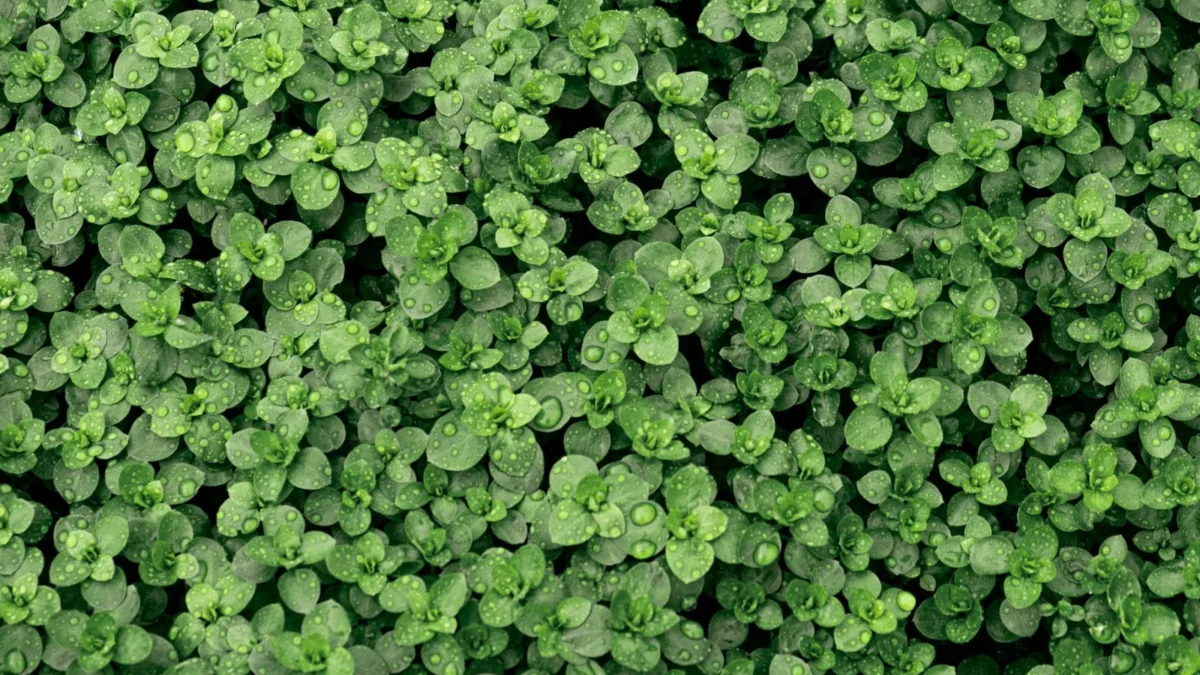
Quick answer: Baby Tears (Soleirolia soleirolii) is non-toxic to both cats and dogs, according to the ASPCA. No toxic principles are documented for this plant.
| Botanical name | Soleirolia soleirolii |
|---|---|
| Light | Bright indirect light; tolerates partial shade. Avoid direct sun to prevent leaf scorch. |
| Watering | Keep soil consistently moist but not soggy. Water every 5-7 days; check if top 2-4 inches of soil is dry before watering |
| Humidity | Humidity above 50%; aim for about 60%. Daily misting with distilled water or plant humidifier recommended. |
| Temperature | Average room temperatures 60-75°F (16-24°C). Avoid temperatures above 78°F or below 50°F and fluctuations greater than 1 |
| Soil | Well-draining, loamy soil with peat moss. Slightly acidic, pH 5-6. Add perlite for drainage. Use pots with drainage hole |
| Feeding | Balanced liquid fertilizer every 4-6 weeks during growing season (spring and summer). |
| Size | 1-2 inches tall (sometimes to 5 inches); spreads 3-6 feet wide by fragile stems that root as they grow. |
| Difficulty | demanding |
If you have cats or dogs at home and want a trailing, moss-like plant that won’t poison them if nibbled, Baby Tears is a genuinely safe choice. That said, non-toxic doesn’t mean risk-free, and the plant has other challenges pet owners should know about.
Non-toxic to cats and dogs
The ASPCA classifies Baby Tears as non-toxic to both cats and dogs. This means the plant contains no compounds known to poison either species. You won’t face the emergency vet visit that other common houseplants might trigger.
However, non-toxic is different from edible. While the plant is safe, ingesting large quantities of any plant material can cause gastrointestinal upset in cats. Most pets won’t have a problem nibbling a leaf or two, but it’s still worth discouraging the habit.
The real issue: your pet will destroy the plant
The bigger concern isn’t poisoning—it’s that Baby Tears is remarkably delicate and could easily be destroyed by a curious cat or dog. The fragile, creeping stems root as they grow and form a dense mat that’s tempting to pounce on or dig through. A single afternoon of investigation from a playful pet can shred the entire plant.
If you have destructive pets, consider placing your Baby Tears somewhere they can’t reach—a high shelf, hanging basket, or closed plant cabinet. The plant itself needs consistent care and humidity to thrive, so keeping it away from pet traffic also protects it from the extra stress.
FAQ
Can my cat eat Baby Tears?
Yes, safely. The plant is non-toxic, but eating large amounts of plant material can cause mild stomach upset. Keep nibbling to a minimum by positioning the plant out of reach.
Is Baby Tears poisonous to dogs?
No. Baby Tears is non-toxic to dogs and contains no documented toxic compounds.
Read the full guide: Baby Tears Plant Care: The Complete Guide
More about Baby Tears
The same problem in other plants
- Is Amaryllis Toxic to Cats and Dogs?
- Is Coffee Plant Toxic to Cats and Dogs?
- Is Orange Bird of Paradise Toxic to Cats and Dogs?
- Is Pencil Cactus Toxic to Dogs and Cats?
Sources
- Is Baby Tears safe for cats and dogs?
- Baby Tears Plant Care: Water, Light & Propagation Guide
- Is Baby's Tears Toxic to Cats & Dogs? No — Pet-Safe
Photo: Nur Demirbaş / Pexels, Pexels