Baby Tears Soleirolia soleirolii
Why Are My Baby Tears Leaves Turning Brown?
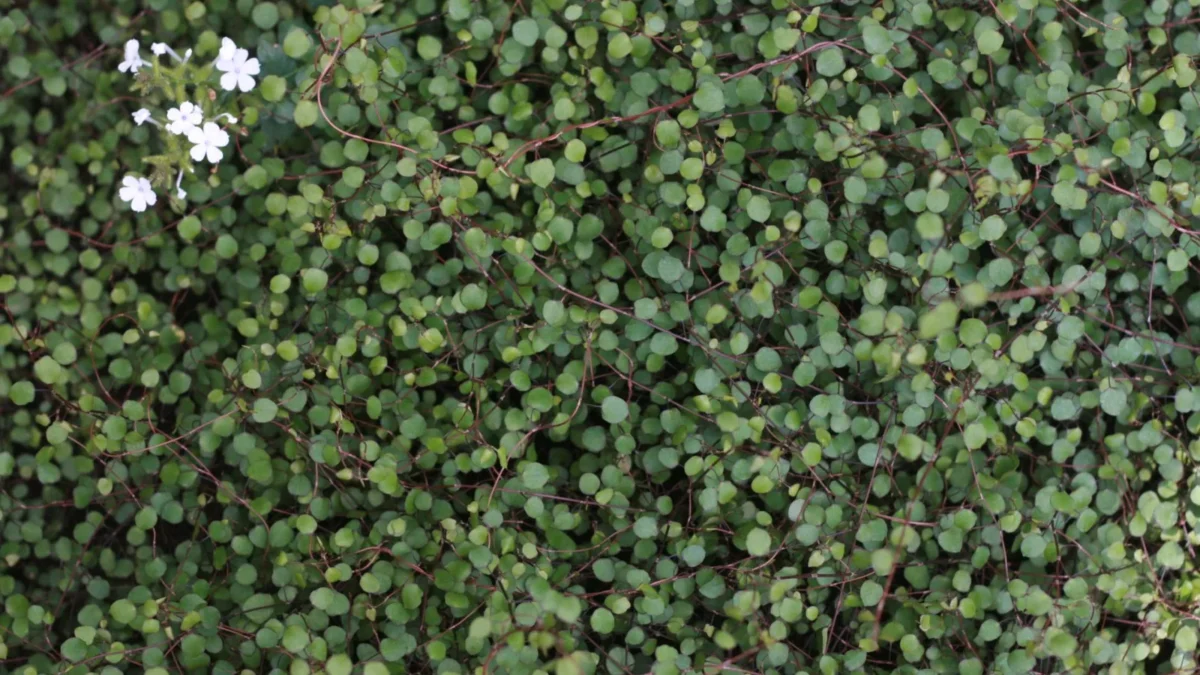
Quick answer: Brown leaves on Baby Tears usually come from overwatering, low humidity, chlorine or fluoride in tap water, or temperature stress. The good news is the plant responds fast—fix the problem and you’ll see improvement within days.
| Botanical name | Soleirolia soleirolii |
|---|---|
| Light | Bright indirect light; tolerates partial shade. Avoid direct sun to prevent leaf scorch. |
| Watering | Keep soil consistently moist but not soggy. Water every 5-7 days; check if top 2-4 inches of soil is dry before watering |
| Humidity | Humidity above 50%; aim for about 60%. Daily misting with distilled water or plant humidifier recommended. |
| Temperature | Average room temperatures 60-75°F (16-24°C). Avoid temperatures above 78°F or below 50°F and fluctuations greater than 1 |
| Soil | Well-draining, loamy soil with peat moss. Slightly acidic, pH 5-6. Add perlite for drainage. Use pots with drainage hole |
| Feeding | Balanced liquid fertilizer every 4-6 weeks during growing season (spring and summer). |
| Size | 1-2 inches tall (sometimes to 5 inches); spreads 3-6 feet wide by fragile stems that root as they grow. |
| Difficulty | demanding |
| What you see | Likely cause | What to do |
|---|---|---|
| Yellow leaves turning brown, mushy stems, dark roots | Overwatering or root rot | Stop watering for several days, repot in fresh soil, and let the pot drain between waterings |
| Brown, crispy leaf edges and drooping | Underwatering | Check the top 2–4 inches of soil; if dry, water immediately |
| Brown tips on healthy-looking leaves, crispy texture | Low humidity or hard water minerals | Switch to distilled, filtered, or rainwater and mist daily to reach 60% humidity |
| Bleached or scorched patches | Direct sunlight | Move to bright indirect light and avoid direct sun |
| Leaves curl and soften, growth stops | Temperature above 78°F | Move away from heat sources and keep room temperature between 60–75°F |
Overwatering and Root Rot
The most common reason Baby Tears leaves turn brown is overwatering. The plant sits in soggy soil, roots can’t breathe, and rot sets in. Yellowing starts first, then brown spots appear, and the stems collapse.
To prevent this, water every 5–7 days, not on a fixed schedule. Always check the soil first—stick your finger in and only water if the top 2–4 inches feel dry. In summer, when light and warmth speed things up, you may water every 2–3 days; in winter, stretch it out but never let the soil dry completely.
Use the bottom-up watering method: place the pot in a tray of water for 10–15 minutes so it drinks from below. This keeps excess moisture away from the crown and centre leaves, which are prone to rot.
If rot has already started, repot the plant into fresh, well-draining soil mixed with peat moss and perlite, and prune any blackened roots or stems.
Low Humidity and Hard Water
Baby Tears need humidity above 50%—ideally around 60%. When the air is dry, leaf edges turn brown and crispy, and the plant shuts down. Mist daily with distilled water or use a humidifier.
Chlorine and fluoride in tap water also cause brown tips and crispy edges. Switch to distilled, filtered, or rainwater, and increase humidity to at least 55%. This simple swap makes a visible difference in a few weeks.
While misting is helpful, avoid wetting the leaves before nightfall—wet foliage invites powdery mildew and bacterial leaf spot. Mist in the morning so leaves dry quickly.
Temperature and Light
Above 78°F, the stems soften, leaves curl inward, and growth halts. Below 50°F, leaves yellow from the edges inward. Keep your plant in average room temperatures between 60–75°F.
Baby Tears tolerate partial shade but thrive in bright, indirect light. Direct sun scorches the delicate leaves. If your plant is in a dim corner, it slows down, drops older leaves, and stays too wet because the soil never dries—this compounds overwatering risk. A few feet back from an east or north-facing window is ideal.
FAQ
Can I save a severely dried-out Baby Tears plant?
Yes, if it’s not too late. Water it well, move it to bright indirect light away from sun, and place it in a perforated plastic bag for about a month to raise humidity around it. The plant should recover within weeks.
Why do the lower leaves turn yellow first?
Yellow lower leaves are usually a sign of overwatering combined with too little light. In dim conditions, the soil stays wet longer, and roots rot slowly from the bottom up. Move the plant closer to a light source and reduce watering frequency.
Is poor air circulation causing brown leaves?
Poor air circulation keeps leaves damp and invites fungal diseases, but it’s usually not the main culprit on its own. Focus first on watering and humidity, and make sure air can flow around the pot.
Read the full guide: Baby Tears Plant Care: The Complete Guide
More about Baby Tears
The same problem in other plants
- How to Fix Brown Tips and Browning Leaves on Amaryllis
- ZZ Plant Leaves Turning Brown: Causes and Solutions
- Why Are My Coffee Plant Leaves Turning Brown and Crispy?
- Why Are My Bamboo Palm Leaves Turning Brown and Dry?
Sources
- Baby Tears Plant Care: Water, Light & Propagation Guide
- Baby Tears Plant: A Comprehensive Care Guide For Your Soleirolia Soleirolii – The Homey Space
- Baby's Tears Indoors (Soleirolia soleirolii)
Photo: Denisa Nistor / Pexels, Pexels