Baby Tears Soleirolia soleirolii
Why Is My Baby Tears Plant Dying and How Do I Save It
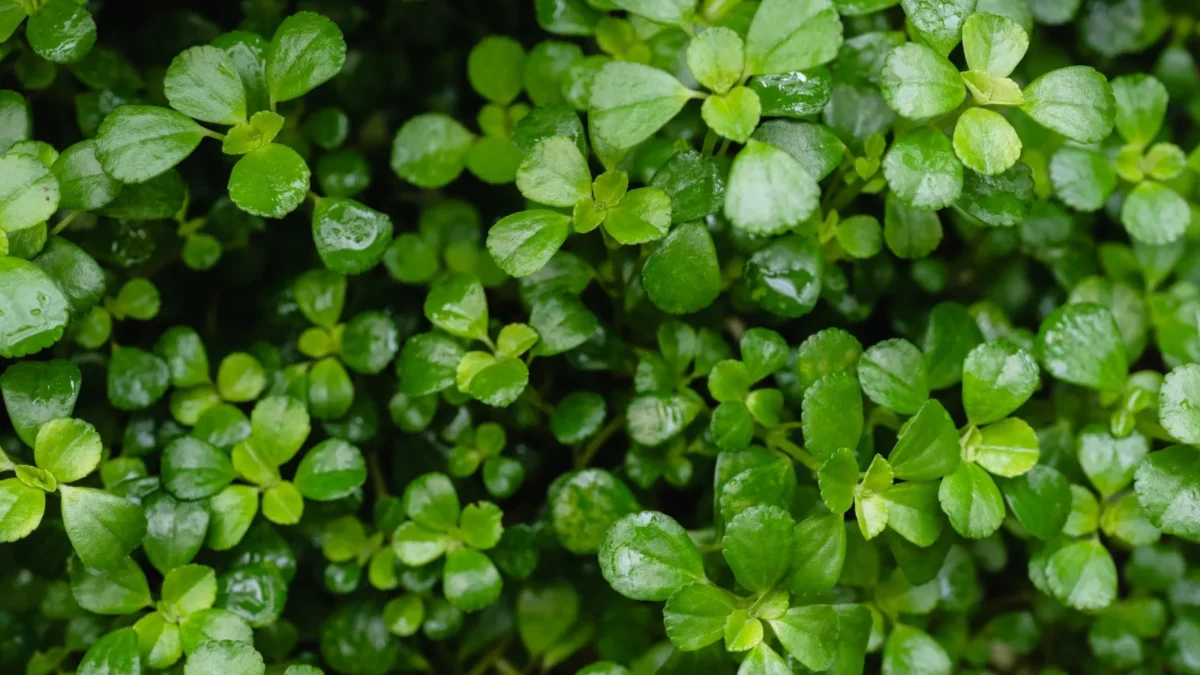
Quick answer: Your baby tears plant is dying most likely because of overwatering, which causes root rot within days, or from low humidity and improper light. Check your watering habits first, then assess light and humidity levels. Both problems are fixable if you act now.
| Botanical name | Soleirolia soleirolii |
|---|---|
| Light | Bright indirect light; tolerates partial shade. Avoid direct sun to prevent leaf scorch. |
| Watering | Keep soil consistently moist but not soggy. Water every 5-7 days; check if top 2-4 inches of soil is dry before watering |
| Humidity | Humidity above 50%; aim for about 60%. Daily misting with distilled water or plant humidifier recommended. |
| Temperature | Average room temperatures 60-75°F (16-24°C). Avoid temperatures above 78°F or below 50°F and fluctuations greater than 1 |
| Soil | Well-draining, loamy soil with peat moss. Slightly acidic, pH 5-6. Add perlite for drainage. Use pots with drainage hole |
| Feeding | Balanced liquid fertilizer every 4-6 weeks during growing season (spring and summer). |
| Size | 1-2 inches tall (sometimes to 5 inches); spreads 3-6 feet wide by fragile stems that root as they grow. |
| Difficulty | demanding |
Most Common Causes Your Baby Tears Is Dying
Baby Tears struggles with only a few things, but when they go wrong, they go wrong fast. The biggest culprit is watering.
Overwatering is the #1 cause of failure—your soil becomes soggy, roots rot, and leaves yellow and collapse within days. You’ll see mushy stems and dark, decaying roots. The tricky part is that these plants need soil that stays consistently moist but never soggy.
Underwatering causes the opposite problem: rapid browning and crisp leaf drop. Your plant wilts and becomes extremely hard to save once completely dehydrated.
The second major issue is low humidity. Baby Tears thrives only when humidity stays above 50%. Without it, leaves turn brown and crispy at the tips.
Temperature swings also kill this plant. Fluctuations greater than 15°F daily cause leaf drop regardless of other conditions—especially near vents or drafty windows. Temperatures above 78°F soften stems and curl leaves inward. Below 50°F, leaves yellow from the margins inward.
Finally, weak light combined with overwatering is a deadly pair. In dim conditions, soil never dries out, inviting root rot.
How to Save Your Dying Baby Tears
If the plant is severely dry:
Water it well and move it away from direct sun to an area with bright, indirect light only. Consider placing it inside a perforated plastic bag for about a month to raise humidity around it.
If you suspect root rot from overwatering:
1. Remove the plant from its pot and inspect the roots.
2. Prune away any damaged foliage or roots.
3. Repot in fresh, well-draining soil.
4. Adjust your watering going forward.
To fix watering and soil:
Use bottom-up watering (water the base, not the leaves), as excess moisture settling in the plant’s centre causes central leaves to rot. Only use pots with a drainage hole. Water every 5 to 7 days depending on light and temperature. Before watering, check if the top 2–4 inches of soil are dry. In summer, you may water every 2–3 days or more often if humidity is low; in winter, reduce watering but never let soil dry out completely.
Use well-draining, loamy soil mixed with peat moss. Add perlite to improve drainage further. Keep soil slightly acidic, pH 5–6.
To increase humidity:
Aim for about 60% humidity. Mist daily with distilled water or use a plant humidifier. Switch to distilled or filtered water instead of tap water, which may contain chlorine or fluoride that burns leaf tips.
On light and temperature:
Provide bright, indirect light. Move the plant away from direct sun, which scorches the delicate leaves. Keep temperatures steady between 60°F and 75°F (16–24°C). Avoid locations with large daily temperature swings.
FAQ
How often should I water Baby Tears?
Water every 5 to 7 days, checking if the top 2–4 inches of soil are dry first. In summer, increase to every 2–3 days or more if humidity is low; in winter, water less but keep soil moist.
Can brown, crispy leaves recover?
No—damaged leaves won’t turn green again. But if you fix the underlying cause (humidity, water, temperature, or light), new growth will be healthy. Remove dead leaves to direct energy to new stems.
Is my Baby Tears plant toxic to pets?
No. Baby Tears is non-toxic to both cats and dogs. However, the plant is delicate and can be easily damaged by pets, and eating large amounts of any plant material can cause mild stomach upset.
Read the full guide: Baby Tears Plant Care: The Complete Guide
More about Baby Tears
Sources
- Baby Tears Plant Care: Water, Light & Propagation Guide
- How to Plant, Grow, and Care for Baby Tears (Soleirolia Soleirolii)
- Baby Tears Plant: A Comprehensive Care Guide For Your Soleirolia Soleirolii – The Homey Space
Photo: Marina Leonova / Pexels, Pexels