Cyclamen Cyclamen persicum
Why Are My Cyclamen Leaves Curling and Turning Downward?
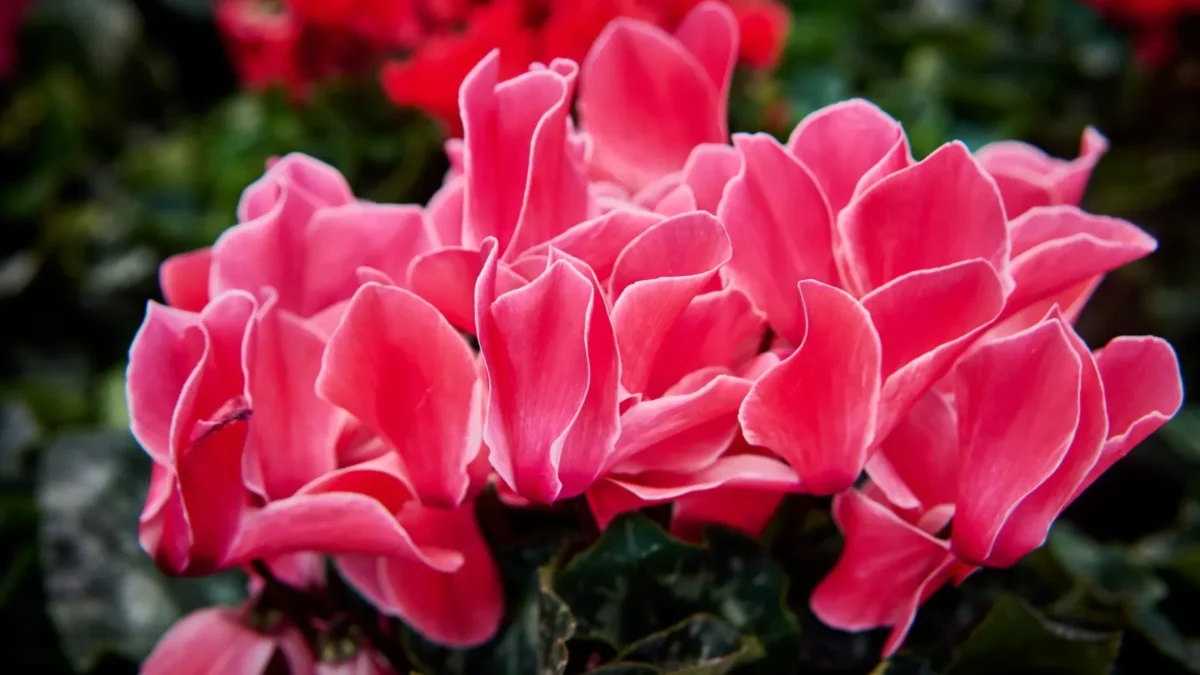
Quick answer: Cyclamen leaves curling usually means low humidity combined with warm air, though overwatering, pests, or temperature stress can also cause it. Fix it by raising humidity to 50–70%, keeping your plant cool, and watering only when the top inch of soil feels dry.
Cyclamen at a glance
| Botanical name | Cyclamen persicum |
|---|---|
| Light | Bright indirect or filtered light; 6-8 hours daily with up to 1-2 hours gentle morning sun; avoid direct afternoon sun |
| Watering | Water when top inch of soil feels dry; sit in shallow tray to absorb water then drain; reduce after flowering and keep d |
| Humidity | Above 50% preferred; 50-70% ideal; use pebble tray or humidifier |
| Temperature | 55-65°F daytime; 50-55°F nighttime; keep cool to avoid short-lived flowers |
| Soil | Peat-free, loam-based compost with tuber tops just above soil surface; well-draining |
| Feeding | Low nitrogen liquid fertilizer fortnightly when in growth |
| Size | 10-20 cm in height |
| Difficulty | moderate |
| Cats | ⚠️ toxic — Terpenoid saponins cause drooling, vomiting, diarrhea; tuber especially dangerous |
| Dogs | ⚠️ toxic — Terpenoid saponins cause drooling, vomiting, diarrhea; tuber especially dangerous |
Low humidity and warm air cause upward curling
The most common reason for cyclamen leaves curling is the air around your plant being too dry and warm. When humidity drops, the edges and undersides of leaves curl inward or cup upward as the plant loses moisture it can’t replace fast enough.
Cyclamen naturally grows in cool mountain conditions where the air stays moist. Indoors, central heating, radiators, and air conditioning quickly strip humidity away. Your plant needs humidity levels around 50–70% to stay healthy.
Raise humidity by standing your cyclamen on a shallow tray filled with moistened pebbles and using a humidifier. This stable air moisture will improve the longevity of cyclamen flowers. These methods work better than misting, which can wet the leaves and cause fungal issues.
Keep your cyclamen away from heat vents, radiators, and direct sunlight. The ideal daytime temperature is between 55° and 65°F, with a dip to 50° and 55°F at night. Warm growing conditions lead to short-lived flowers and stressed leaves.
Overwatering and poor drainage
Too much water is surprisingly damaging to cyclamen. Cyclamen like moist—but never soggy—soil. Containers that lack sufficient drainage holes cause excess water to stay in the soil, which causes stunted growth and curling leaves. Overwatering can cause root rot, leading to wilted, yellow leaves and drooping flowers.
Water when the top inch of soil feels dry to the touch. The best method is to sit your cyclamen in a shallow tray of water, allowing it to absorb what it needs then allow to drain. This bottom-watering approach prevents the tuber and crown from staying wet.
If you suspect root rot, yellow leaves and a foul odor from the soil signal it. Stop watering and let the soil dry out. With sterilized scissors, cut away the rotted roots. Dispose of the infected soil and repot in fresh, well-draining compost.
Cyclamen mites and temperature stress
Cyclamen mites are by far the most damaging invertebrate pest of florist cyclamen and cause puckering, stunting, and deformation of new foliage and flowers. They thrive in warm, humid conditions and can cause leaves to curl and become distorted. If new growth looks twisted or deformed alongside leaf curl, mites may be responsible.
Temperature swings also stress cyclamen. Excess heat or cold drafts can stress the plant, causing leaf curling and flower or stem droop. Keep your plant away from cold windows in winter and warm spots in summer.
FAQ
What’s the difference between leaves curling up and curling down?
Upward curling (cupping) signals low humidity combined with warm, dry air—especially near heat vents or radiators. Downward curling with soft, wilted stems usually means overwatering and root rot.
How do I know if it’s humidity or watering?
Check the soil first by pushing your finger into the top inch. If it feels wet or soggy, reduce watering and improve drainage. If the soil is dry but leaves still curl, raise humidity with a pebble tray or humidifier.
Is leaf curl permanent?
No. Once you fix the cause—raise humidity, lower temperature, or correct watering—new leaves will emerge healthy. Remove the curled leaves to redirect the plant’s energy into fresh growth.
The same problem in other plants
- Why Are My ZZ Plant Leaves Curling?
- Why Are My String of Dolphins Leaves Flat? The Causes and Solutions
- Why Are My Ficus Audrey Leaves Curling?
- Why Are My Satin Pothos Leaves Curling?