String of Dolphins Curio peregrinus
Why Are My String of Dolphins Growing Flat Leaves: Causes and Solutions
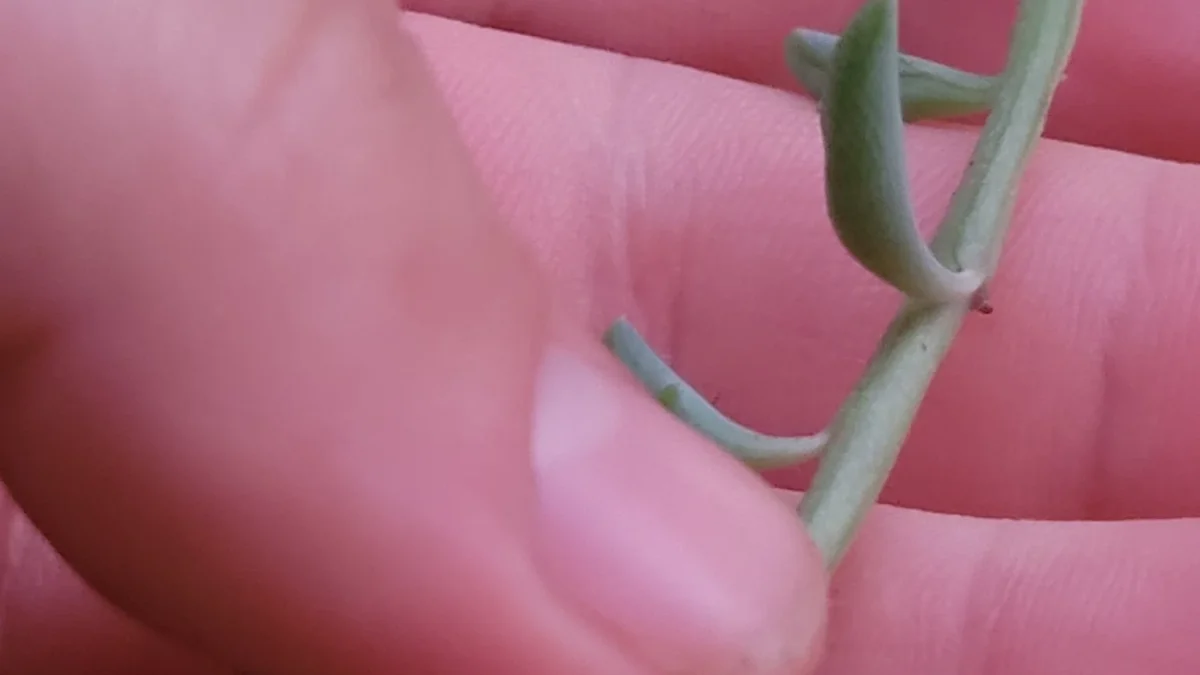
Quick answer: Your String of Dolphins is growing flat leaves because it isn’t getting enough bright light, you’re watering too often, or it needs nutrients. Each problem has a fix, and new growth will return to the iconic dolphin shape once you address the cause.
String of Dolphins at a glance
| Botanical name | Curio peregrinus |
|---|---|
| Light | Bright indirect light; 4-6 hours daily; east or west-facing window ideal |
| Watering | Water when top 2 inches of soil feel dry; every 2-3 weeks; less in winter |
| Humidity | Below 50 percent; does not need extra humidity |
| Temperature | 65-80°F |
| Soil | Well-draining succulent or cactus mix |
| Feeding | Organic fertilizer once yearly in spring; avoid over-fertilizing |
| Size | 6 inches tall; vines grow up to 3 feet |
| Difficulty | easy |
| What you see | Likely cause | What to do |
|---|---|---|
| Flat, elongated leaves on new growth | Insufficient light | Move within 60cm of a well-lit window; consider a grow light |
| Flat leaves that are soft or mushy | Overwatering; possible root rot | Let soil dry completely before watering again |
| Flat leaves that look dull and thin | Low nutrient levels | Apply organic fertilizer once in spring |
| Flat leaves with no other symptoms | Multiple mild stressors | Review light, water, and feeding together |
Why light matters most
When your String of Dolphins isn’t getting enough sunlight, the leaves flatten out as a survival response. The plant stretches its leaf surface area to capture more light and keep itself alive. This is why flat, elongated leaves are one of the first signs of insufficient light in your home.
The fix is immediate. Move your plant within 60cm of a well-lit window right away. In a typical U.S. apartment, an east or west-facing window works well, or position it 2–4 feet back from a south window with a sheer curtain. Your plant needs at least 6 hours of sunlight per day. If your space stays dim, especially in winter, a 20–30W full-spectrum LED grow light running 8–10 hours daily solves this single-handedly for most indoor plants.
New growth will show the correct dolphin shape once light improves.
Overwatering and root damage
Paradoxically, too much water also flattens the leaves. When you water more often than the soil dries, roots can’t breathe, leading to rot. Both overwatering and root rot compromise hydration and cause leaves to flatten.
The solution is to stop watering on schedule and start checking the soil instead. Water only when the top 2 inches of soil feel dry to the touch. Water thoroughly until it drains from the bottom, then wait until the soil is completely dry before watering again. In a few days, the dolphin leaves should regain their curved shape.
Leaves should plump up within 24–48 hours. If they don’t, check the roots for rot or pest damage when you next repot.
Low nutrients
Over-fertilizing can actually make String of Dolphins lose their dolphin shape. However, undernourishment contributes to flat, weak leaves. Feed with organic fertilizer once a year in spring to maintain vibrant growth. This single annual dose prevents nutritional stress without overdoing it.
Preventing flat leaves going forward
Keep your plant in bright, indirect light year-round. Avoid direct hot afternoon sun through unprotected south windows—it scorches the leaves—but don’t use “protection” as an excuse to hide the plant in shade.
Water by feel, not by calendar. Check soil moisture with your finger before watering every time. In winter, growth slows and you’ll water far less. Most U.S. apartment plants die from overwatering, not underwatering, so err on the side of drier soil.
Use a well-draining succulent or cactus mix. Regular potting soil holds too much moisture and compounds overwatering problems.
More about String of Dolphins
The same problem in other plants
- Why Are My Cyclamen Leaves Curling and Turning Downward?
- Why Are My ZZ Plant Leaves Curling?
- Why Are My Ficus Audrey Leaves Curling?
- Why Are My Satin Pothos Leaves Curling?
Sources
- String of Dolphins Care: Light, Water & Common Problems
- String of Dolphins Plant Care Guide 🌟 – Healthy Houseplants
- How to Grow and Care for String of Dolphins Plant – Succulents Box
Photo: jupal04 / iNaturalist, CC BY 4.0