Ficus Audrey Ficus benghalensis
Why Are My Ficus Audrey Leaves Curling? Causes and Solutions
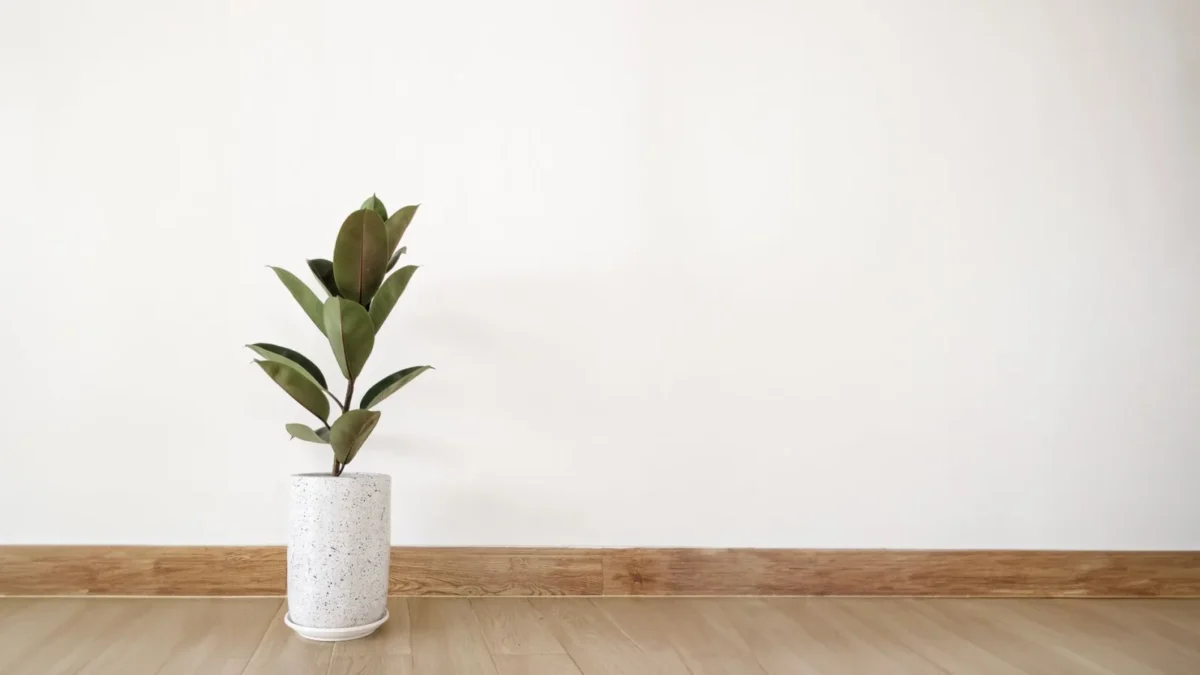
Quick answer: Ficus Audrey leaves curl because of improper watering, low humidity, or temperature stress. The most common culprit is underwatering; both overwatering and underwatering stress the plant. Low humidity also causes leaf curling, since your Ficus Audrey prefers a tropical environment.
| Botanical name | Ficus benghalensis |
|---|---|
| Light | bright indirect light; tolerates gentle morning direct sun; near south- or east-facing window |
| Watering | water when top 1-2 inches of soil dries out; every 7-10 days typically |
| Humidity | 50-80%; 60% ideal; prefers moderate to high humidity |
| Temperature | 65-80°F (15-27°C); avoid cold drafts and sudden temperature changes |
| Soil | peat-free loam-based compost with perlite and bark chippings; well-draining |
| Feeding | balanced fertilizer monthly in spring and summer; high-nitrogen for leafy growth |
| Size | 5-10 feet indoors when properly cared for |
| Difficulty | easy |
What causes Ficus Audrey leaves curling down
| What you see | Likely cause | What to do |
|---|---|---|
| Curling leaves, dry soil between waterings | Underwatering | Water immediately; check soil moisture regularly |
| Curling leaves, wet soil, mushy stems | Overwatering with poor drainage | Let soil dry out completely; repot if needed |
| Curling leaves, crispy edges, dry air | Low humidity | Increase humidity to 50–80%; mist leaves or use a humidifier |
| Curling leaves after moving or near vents | Temperature stress | Move away from cold drafts and heat sources; keep between 65–80°F |
| Curling leaves, slow growth, pale appearance | Insufficient light | Move closer to a south- or east-facing window |
Underwatering
Underwatering is the most likely cause. Water the Ficus Audrey every time the top 1 or 2 inches of soil dries up; you can also water whenever its leaves start curling inwards—the curling means the plant is thirsty and needs watering. If your pot and soil drain well, this typically means watering every 7–10 days, though your plant’s needs change with the season, temperature, humidity, and whether it’s actively growing.
When underwatered, leaves will brown and drop slowly all over the plant at once. Develop crispy, brown edges that feel brittle to the touch. You may also notice stunted growth and yellowed leaves.
Overwatering
Overwatering combined with poor drainage causes a different problem. If your pot or soil don’t drain well, the soil stays wet for days after watering, causing root stress and curled leaves. Overwatered plants show yellowing lower leaves first, soft mushy stems, and a sour smell from the pot.
If your plant is overwatered, stop watering and let the soil dry out completely (1–2 weeks). Ensure your pot has drainage holes.
Low humidity
Keep humidity levels between 50–80%, with 60% being ideal. Given its tropical origins, Ficus Audrey thrives in a humid environment; if your home has dry air, especially during winter when heating systems run, consider increasing humidity around your plant. Increase humidity by misting the leaves daily or placing a humidifier nearby.
Temperature stress
Exposure to cold drafts or extreme heat can result in curled leaves. Keep your plant away from heaters or fireplaces, which can dry out the leaves and cause curling. The plant needs protection from cold drafts or sudden temperature changes. Maintaining a stable temperature and avoiding extremes helps keep your Ficus Audrey in its comfort zone. Ficus Audrey does best in temperatures of 70°F (21°C) to 80°F (27°C).
How to prevent leaf curling on Ficus Audrey
Watering consistency: Water thoroughly once the top 1–2 inches of soil dry out, adjusting for seasonal changes. In spring and summer during active growth, water regularly; in winter, keep the compost only just moist.
Light: Position your Ficus Audrey near a south- or east-facing window with strong, consistent indirect light throughout the day, with some tolerance for gentle morning direct sun.
Humidity: Use a humidifier or mist leaves regularly, especially in winter. Grouping plants together also raises local humidity.
Temperature stability: Keep your plant away from windows with cold drafts, air conditioning vents, and heat sources like fireplaces. Aim for 65–80°F consistently.
Well-draining soil: Grow in peat-free, loam-based compost with added bark chippings to ensure excess water drains quickly.
FAQ
Can I save a Ficus Audrey with severely curled leaves?
Yes. First identify the cause (check soil moisture and humidity), then address it immediately. Underwatered plants recover quickly after watering. Overwatered plants need the soil to dry out; repot into fresh, dry soil if the root rot smell persists. Humidity and temperature improvements take 1–2 weeks to show results, so be patient.
Should I remove curled leaves?
No need to remove them unless they’ve turned brown and crispy. Once you fix the underlying cause, new leaves will grow in healthy, and curled leaves often uncurl or drop naturally as the plant recovers.
Read the full guide: Ficus Audrey Care: The Complete Guide
More about Ficus Audrey
The same problem in other plants
- Why Are My Cyclamen Leaves Curling and Turning Downward?
- Why Are My ZZ Plant Leaves Curling?
- Why Are My String of Dolphins Leaves Flat? The Causes and Solutions
- Why Are My Satin Pothos Leaves Curling?
Sources
- Ficus Audrey Care (Ficus benghalensis) – Smart Garden Guide
- Ficus Benghalensis Plant Care Guide
- Ficus Audrey Yellow Leaves: Causes & Exact Fixes
Photo: Willy Arisky / Pexels, Pexels