ZZ Plant Zamioculcas zamiifolia
Why Are My ZZ Plant Leaves Curling?
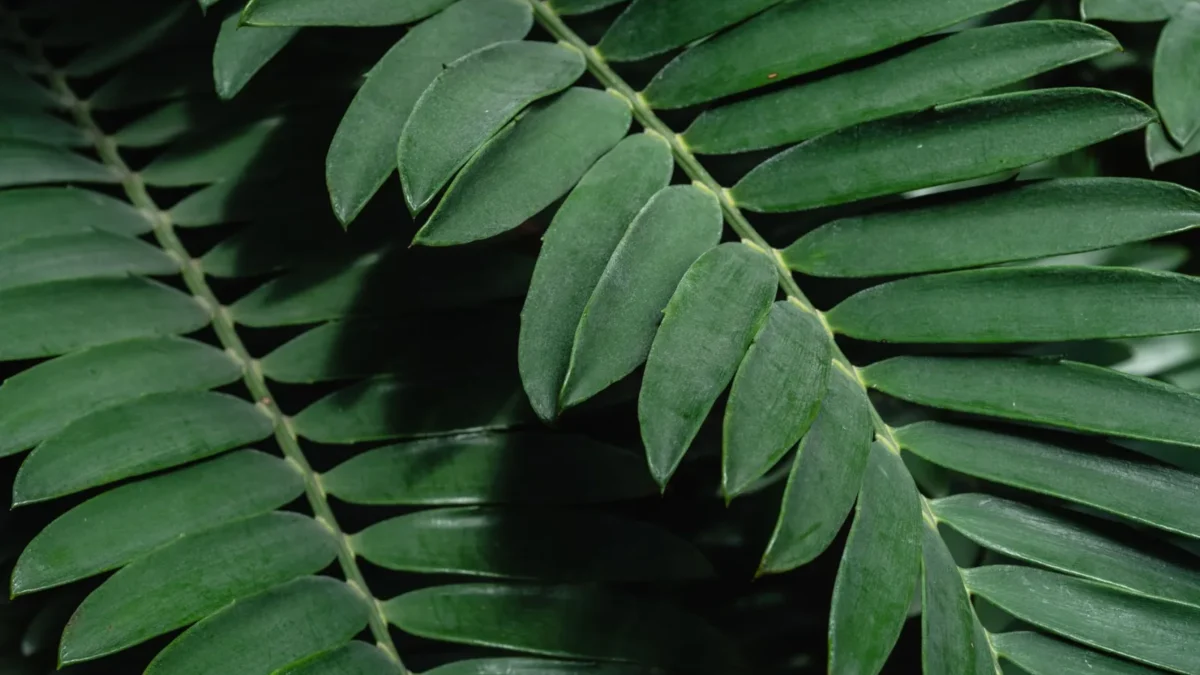
Quick answer: ZZ plant leaves curling most often signals low humidity, underwatering, cold temperatures, or pest damage. Each has distinct signs, and the fix depends on which one is happening.
| Botanical name | Zamioculcas zamiifolia |
|---|---|
| Light | Bright indirect light; tolerates low light but becomes leggy without sufficient light |
| Watering | Every 2–3 weeks spring/summer, every 4–6 weeks fall/winter when soil completely dry |
| Humidity | Tolerates any humidity level from 40–50% average to desert-dry or bathroom-humid |
| Temperature | 65–85°F ideal; keep above 60°F; avoid below 45°F |
| Soil | Well-draining mix: 1/4 compost, 1/4 sand, 1/2 potting soil; pH 6–7 |
| Feeding | Optional; standard 20-20-20 once or twice yearly or monthly during growing season |
| Size | Stems grow up to 3 ft long indoors with glossy green foliage |
| Difficulty | easy |
Humidity and Curling
While ZZ plants are remarkably adaptable to humidity levels, curling leaves can signal that yours is too dry. The plant tolerates typical household humidity of 40–50%, but very low humidity—especially in winter when heating dries indoor air—can cause leaf edges to curl inward or become papery.
Check your environment. If the air feels very dry and your plant sits near a heat source or in a room you rarely open windows in, humidity may be the culprit. The fix is straightforward: group your houseplants together (they humidify each other), run a humidifier nearby, or set the pot on a pebble tray with water beneath it.
Underwatering and Wilting
Underwatering causes stems and leaflets to wilt and wrinkle before they curl. This happens because the ZZ plant’s rhizomes (thick underground storage organs) have used up their water reserves. If you notice shriveled or wrinkly petioles (the stems connecting leaves to the main stem), or if individual leaves are falling, your plant needs water.
Check soil moisture by pushing your finger 3–4 inches down. If it feels completely dry and the plant looks limp, water thoroughly until it drains. During spring and summer, water every 2–3 weeks; in fall and winter, every 4–6 weeks. The ZZ thrives on drought far better than it tolerates wet feet, so err on the side of less water—just not to the point of permanent wilting.
Cold Temperatures
Keep your ZZ plant in temperatures between 65 and 85°F. If your home drops below 60°F—say, near a drafty window or in a cold room—growth slows and leaves may curl, become pale, or show signs of stress. Avoid temperatures below 45°F entirely. If this is happening, move the plant away from cold drafts, exterior walls, or air conditioning vents.
Pests and Damage
Spider mites and mealybugs occasionally infest ZZ plants and cause stippling, yellowing, or curling as the pests feed. If you spot fine webbing, cottony clusters on stems, or sticky residue on leaves, inspect closely with a magnifying glass. Treat with insecticidal soap or neem oil spray on the undersides of leaves, repeat every 7–10 days, and isolate the plant from others.
Similarly, too much direct sunlight can scald leaves, causing them to curl, whiten, yellow, and brown. Move the plant to bright indirect light instead—a north-facing window or 5–8 feet from an east or west window works well.
Preventing Curling Leaves
Keep the soil mostly on the dry side by checking it before watering. Maintain steady warmth above 60°F, avoid harsh direct sun, and don’t let the air become dessert-dry. Wipe leaves monthly to keep them dust-free and maximize light absorption. These habits will help your ZZ plant maintain its attractive glossy foliage and prevent most curling problems.
The same problem in other plants
- Why Are My Cyclamen Leaves Curling and Turning Downward?
- Why Are My String of Dolphins Leaves Flat? The Causes and Solutions
- Why Are My Ficus Audrey Leaves Curling?
- Why Are My Satin Pothos Leaves Curling?
Sources
- How Often to Water a ZZ Plant (Schedule + Signs 2026)
- ZZ Plant: How to care for the Zamioculcas Zamiifolia
- Zamioculcas (ZZ plant) care: expert tips for plants
Photo: Marina Leonova / Pexels, Pexels