Echeveria Echeveria
Echeveria Care: The Complete Guide
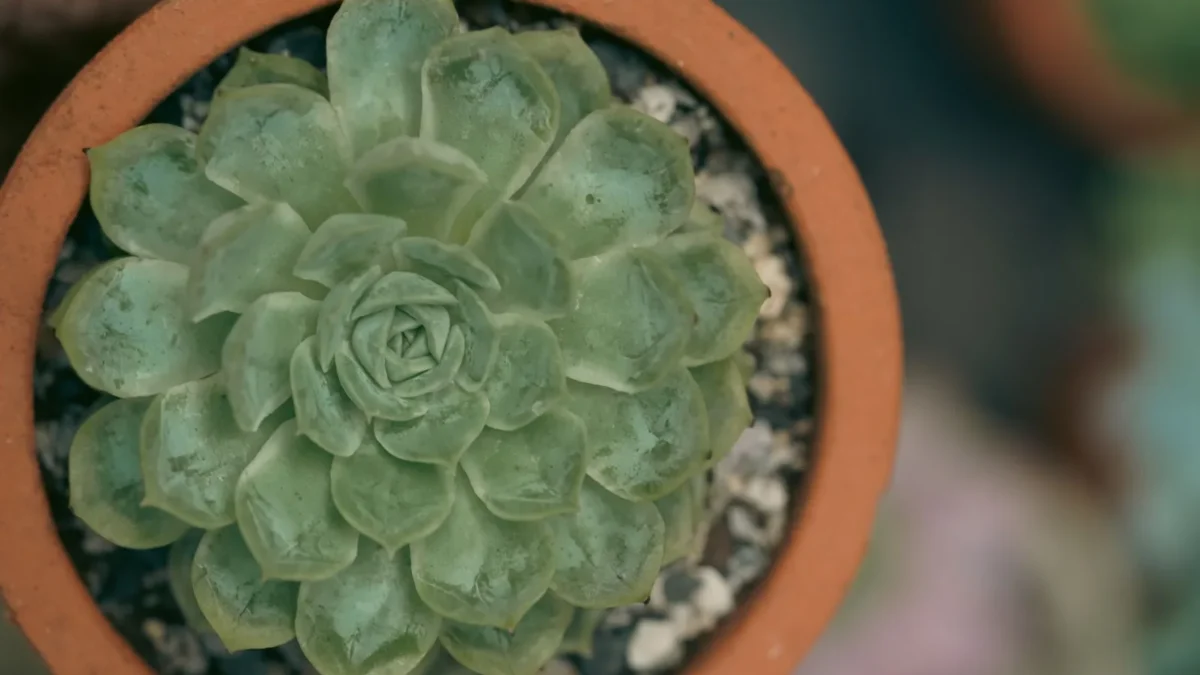
Echeveria care is straightforward once you understand this succulent’s simple needs. These compact, fascinating rosettes are easy to grow and thrive when given bright indirect light, infrequent watering, and well-draining soil. Master these basics and your echeveria will reward you with vibrant, healthy growth year-round.
| Botanical name | Echeveria |
|---|---|
| Light | Bright indirect light; at least 4-6 hours daily; south or east-facing window |
| Watering | Water when soil approaches dryness; every 10-14 days summer, 28-35 days winter; never leave sitting in water |
| Humidity | 30-50%; avoid humid areas like bathrooms; humidity above 60% not ideal |
| Temperature | 65-80°F spring and summer, slightly cooler in winter; avoid below 45°F |
| Soil | Peat-free cactus compost or 1 part potting soil, 1 part perlite, 1 part coarse sand; well-draining |
| Feeding | Dilute, low-nitrogen fertilizer fortnightly during late spring and summer; not required |
| Size | 2-6 inches across in rosette form on short stems |
| Difficulty | easy |
| Cats | ✓ non-toxic |
| Dogs | ✓ non-toxic |
Key points
– Provide at least 4–6 hours of bright indirect light daily from a south or east-facing window
– Water every 10–14 days in summer and 28–35 days in winter; only when soil approaches dryness
– Use well-draining cactus compost or a homemade mix of potting soil, perlite, and coarse sand
– Keep temperature between 65–80°F in spring and summer; avoid temperatures below 45°F
– Maintain humidity between 30–50% and avoid humid rooms like bathrooms
– Propagate easily from leaf or stem cuttings
Light Requirements for Echeveria
Echeverias are sun worshippers and need plenty of bright, indirect light to thrive. Your plant should receive at least 4–6 hours of bright light per day. Place your echeveria near a south or east-facing window where it can soak up the rays. They enjoy bright but indirect light, so direct afternoon sun through a glass pane is fine, but avoid intense midday rays that could scorch the leaves.
If your echeveria isn’t getting enough light, it might start to droop as it stretches toward the nearest source of sunlight. Leggy plants or weak new growth can indicate too little light. Move plants to a brighter area. Conversely, sudden changes in light can send your plant into shock, resulting in droopy leaves.
Watering Your Echeveria
Proper watering is the single most important aspect of echeveria care. Overwatering is the number one killer of succulents, so the golden rule is to water only when the soil is completely dry. Water should be applied once the compost approaches dryness.
Echeveria stores moderate amounts of water in its rosette leaves. Water every 10–14 days in summer and every 28–35 days in winter. The soak-and-dry method works well for all succulents because it replicates their natural setting. Water deeply until water trickles out of the drainage holes, then dump any excess water from the saucer to ensure roots don’t stay too damp. Never leave them sitting in water, and reduce watering in winter, otherwise the roots may rot.
Signs Your Plant Needs Water
Wrinkled leaves indicate the plant needs more water. If leaves look shriveled despite adequate light, it’s time to water.
Critical Watering Mistakes to Avoid
Never let water sit in the center rosette of an echeveria; water collected in the leaf cup causes crown rot within days, especially indoors where airflow is limited. Always water the soil, not the leaves. Mushy leaves on your echeveria is a clear indicator of overwatering or root rot. Look for leaves that are mushy, translucent, or falling off easily; these are tell-tale signs of rot, often starting from the bottom leaves. Dark, rotted areas indicate you are overwatering.
Wait at least a week after repotting to water your echeveria to reduce the risk of root rot.
Water Quality
Fluoride in tap water can damage the leaves, so use rainwater if possible.
Humidity, Temperature, and Seasonal Care
Echeverias generally do best with humidity levels between 30% and 50%. They prefer drier air, similar to their native environments. Humidity above 60% is not ideal because their water-storing leaves have difficulty drying out. It is best to avoid placing echeverias in naturally humid areas of the home, such as bathrooms or kitchens, unless there is excellent ventilation.
Temperature Requirements
Ideally, echeveria prefer 65 to 80 degrees F in spring and summer, slightly cooler in winter. Echeverias are not tolerant of extreme cold or frost; temperatures below 45°F generally harm the plant.
Keep your plant away from drafty windows and ensure the room stays at a consistent temperature that mimics its native habitat. Sudden cold can cause leaves to droop.
Winter Care for Echeveria
In winter, if kept too warm and/or watered too regularly, they’ll make weak, spindly growth that can spoil their good looks. Reduce watering frequency and lower the temperature slightly to help your echeveria enter dormancy naturally.
Soil and Repotting Echeveria
Drainage is critical for echeveria care. Plant them in peat-free cactus compost, which is gritty and sharply draining, in a pot with plenty of drainage holes.
If you prefer to make your own soil, a simple homemade mix works beautifully: 1 part potting soil, 1 part perlite, and 1 part coarse sand is an ideal medium for indoor echeveria plants. This combination ensures water drains quickly and roots don’t stay damp.
When and How to Repot
Spring is the best time to repot echeveria, as the plant is entering its active growing season. Plan to repot your echeveria at least once every two years, but once a year is better.
To repot, make sure the soil is dry before repotting. Place your echeveria at the same depth it was growing before, firm the potting mix gently around the roots, and wait one week before watering; this helps the plant settle and reduces the risk of root rot.
Feeding and Fertilizer
Fertilizing is optional for echeveria care. Apply a dilute, low-nitrogen fertilizer fortnightly during late spring and summer. However, regular fertilizing is not a requirement for growing echeveria, as they are accustomed to growing in nutrient-poor soil.
Be cautious with fertilizer: echeverias are susceptible to fertilizer burn if over-fertilized. If you choose not to fertilize at all, your plants will still thrive. Many experienced growers skip fertilizer entirely and simply repot annually with fresh soil.
Pruning and Propagation
Echeverias rarely need pruning since they grow slowly and maintain a compact rosette form. Remove any dead or damaged leaves at the base to keep the plant tidy. If your echeveria becomes leggy or weak, propagation offers an excellent way to rejuvenate the plant or create new ones.
Propagation via Leaf Cuttings
Propagation via leaf cuttings is probably the easiest and most popular method. Echeverias have fleshy leaves that can be detached very easily and from which new plants grow. Choose plump, vibrant leaves and let them callus for 1–5 days before planting.
Allow the leaf to callous over for 5–6 days by letting it sit out in a cool, shaded spot; this helps prevent rotting when you propagate it. Once calloused, simply place the leaf on top of a well-draining cactus/succulent soil mix in a pot or tray. Water sparingly until roots develop—this can take anywhere from 2–6 weeks. Leaf cuttings will reliably develop into new plantlets as quickly as a few weeks.
Propagation via Stem Cuttings
You can also propagate from stem cuttings for faster results. Cut a stem that is at least 2–3 inches long and has a group of leaves at the top; remove the bottom leaves to reveal the stem end.
Allow both types of cuttings to dry out for a few days so that the cut end scabs over; place the cutting in a spot away from direct sunlight and warm. Once calloused, you can either stick the cutting directly into a well-draining soil mix or suspend it over a glass of water; if rooting in soil, just bury the bottom 1–2 inches of the cutting. In 2–4 weeks, you should start seeing roots emerging. If using water, refresh it weekly.
Common Problems and Solutions
Drooping or wrinkled leaves: Wrinkled leaves indicate the plant needs more water. However, if leaves droop immediately after a temperature change or exposure to cold air, this is shock. Keep your plant away from drafts and maintain consistent temperatures. Ensure your echeveria is receiving adequate light, as leggy or drooping growth often signals insufficient brightness.
Mushy or translucent leaves: This is the most serious problem and indicates overwatering or root rot. Check for mushy, translucent leaves or leaves falling off easily from the bottom of the rosette. If caught early, remove the plant from wet soil, allow it to dry completely, and repot into fresh, dry cactus compost. Reduce watering frequency and ensure drainage holes are clear.
Yellowing or whitening leaves with brown scabs: Yellowing or whitening of leaves followed by brown scabs can indicate too much sun exposure, or that plants were introduced too quickly to brighter light. Move plants to a spot that receives less light. If you’re moving an echeveria to brighter conditions, do so gradually over 1–2 weeks to prevent leaf damage.
Weak, spindly growth in winter: In winter, if kept too warm and/or watered too regularly, they’ll make weak, spindly growth that can spoil their good looks. Lower the temperature slightly and reduce watering to help your plant rest during the dormant season.
Leggy or stretching growth: Leggy plants or weak new growth can indicate too little light. Move plants to a brighter area. A south or east-facing window is ideal.
High humidity issues: Echeverias prefer drier air. High humidity can encourage fungal growth and lead to drooping leaves. Avoid placing your echeveria in bathrooms, kitchens, or other humid spaces unless ventilation is excellent. Keep humidity between 30–50%.
Pet Safety: Is Echeveria Toxic?
Echeveria is completely safe for your pets. Echeveria is non-toxic to dogs and non-toxic to cats. Echeverias contain absolutely no cardiotoxins, saponins, or insoluble oxalates. You can grow echeveria with complete confidence if you have cats or dogs at home, and there’s no risk even if your pet nibbles a leaf.
FAQ
How often should I water my echeveria in summer versus winter?
Water every 10–14 days in summer and every 28–35 days in winter. This reflects the plant’s natural growth cycle and reduced water needs during dormancy.
What’s the best soil for echeveria?
Use peat-free cactus compost or make your own: 1 part potting soil, 1 part perlite, and 1 part coarse sand. Both ensure excellent drainage.
Can I propagate echeveria from a single leaf?
Yes, leaf propagation is the easiest method. Choose plump, vibrant leaves, let them callus for 5–6 days, place them on cactus soil, and water sparingly. New plantlets will develop as quickly as a few weeks.
What temperature does echeveria need?
Echeveria prefer 65 to 80 degrees F in spring and summer, slightly cooler in winter. Temperatures below 45°F generally harm the plant.
How much light does echeveria need?
Echeveria need at least 4–6 hours of bright light per day. Place them near a south or east-facing window for best results.
Do I need to fertilize my echeveria?
Regular fertilizing is not required. If you choose to fertilize, apply dilute, low-nitrogen fertilizer fortnightly during late spring and summer.
More about Echeveria
Sources
- Echeveria / RHS Plant Guide
- How to Grow Echeveria: Care, Planting, & Types
- How to Grow and Care for Echeveria – World of Succulents
Photo: Atul Mohan / Pexels, Pexels