Echeveria Echeveria
How Often Should You Water Echeveria? A Seasonal Guide
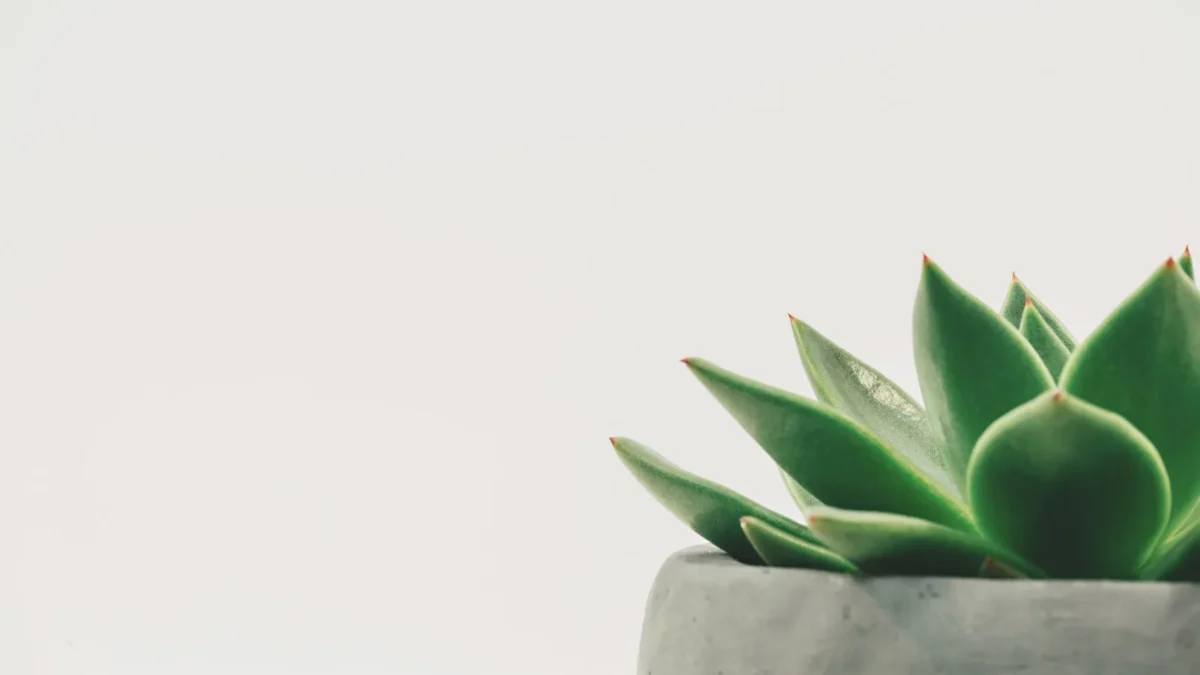
Quick answer: How often? Water your Echeveria every 10–14 days during spring and summer, and every 28–35 days in winter. The key is to water only when the soil approaches dryness, never leaving the plant sitting in water.
| Botanical name | Echeveria |
|---|---|
| Light | Bright indirect light; at least 4-6 hours daily; south or east-facing window |
| Watering | Water when soil approaches dryness; every 10-14 days summer, 28-35 days winter; never leave sitting in water |
| Humidity | 30-50%; avoid humid areas like bathrooms; humidity above 60% not ideal |
| Temperature | 65-80°F spring and summer, slightly cooler in winter; avoid below 45°F |
| Soil | Peat-free cactus compost or 1 part potting soil, 1 part perlite, 1 part coarse sand; well-draining |
| Feeding | Dilute, low-nitrogen fertilizer fortnightly during late spring and summer; not required |
| Size | 2-6 inches across in rosette form on short stems |
| Difficulty | easy |
| Cats | ✓ non-toxic |
| Dogs | ✓ non-toxic |
The Golden Rule for Watering Echeveria
Overwatering is the number one killer of succulents, so the most important principle is to water only when the soil is completely dry. Echeveria stores moderate amounts of water in its rosette leaves, which means it can go longer between waterings than most houseplants.
The best approach is the soak-and-dry method: water thoroughly until it drains out the bottom, then let the soil dry completely before watering again. This mimics the natural rainfall pattern in the plant’s native Mexican habitat.
Water deeply about once every 2 to 4 weeks indoors until water trickles out of the drainage holes, then empty any excess from the saucer so roots don’t stay too damp. Never let water sit in the center rosette of an Echeveria—water collected there causes crown rot within days, especially indoors where airflow is limited.
Summer vs Winter Watering Schedules
Summer watering (spring and summer growing season): Water every 10–14 days. During these months, your Echeveria is actively growing and using water more quickly.
Winter watering (fall and winter dormancy): Water every 28–35 days. The plant enters a rest period and needs far less water. In winter, if kept too warm and watered too regularly, weak spindly growth can spoil the plant’s appearance.
Temperature affects watering needs directly. Keep your Echeveria between 65–80°F in spring and summer, slightly cooler in winter. Temperatures below 45°F harm the plant.
Signs Your Echeveria Needs Water or Is Being Overwatered
Underwatered: Wrinkled leaves are a clear sign your Echeveria needs more water.
Overwatered: Watch for mushy, translucent leaves or leaves falling off easily—these indicate rot, often starting from the bottom leaves. Dark rotted areas anywhere on the plant show you’re overwatering.
If you notice mushy leaves, reduce watering immediately and ensure your pot has drainage holes in the base. Root rot often develops when water sits around the roots too long.
FAQ
Can I use tap water?
Fluoride in tap water can damage the leaves, so rainwater is better if possible.
How does humidity affect watering?
Echeveria prefers humidity between 30–50%. Humidity above 60% is not ideal because their water-storing leaves have difficulty drying out; avoid placing them in naturally humid areas like bathrooms unless there is excellent ventilation. High humidity can encourage fungal growth and lead to drooping leaves.
When should I water after repotting?
Wait at least a week after repotting to water your Echeveria to reduce the risk of root rot.
Read the full guide: Echeveria Care: The Complete Guide
More about Echeveria
The same problem in other plants
- How Often Should You Water a Weeping Fig?
- How Often Should You Water Kalanchoe?
- How Often Should You Water Lucky Bamboo?
- How Often to Water Haworthia: The Right Schedule
Sources
- Echeveria / RHS Plant Guide
- How to Grow & Care for Echeverias – Ultimate Care Guide
- Succulent Watering Schedule: Indoor & Outdoor Guide by Season (2026)
Photo: Scott Webb / Pexels, Pexels