Echeveria Echeveria
How to Propagate Echeveria: Leaf and Cutting Methods
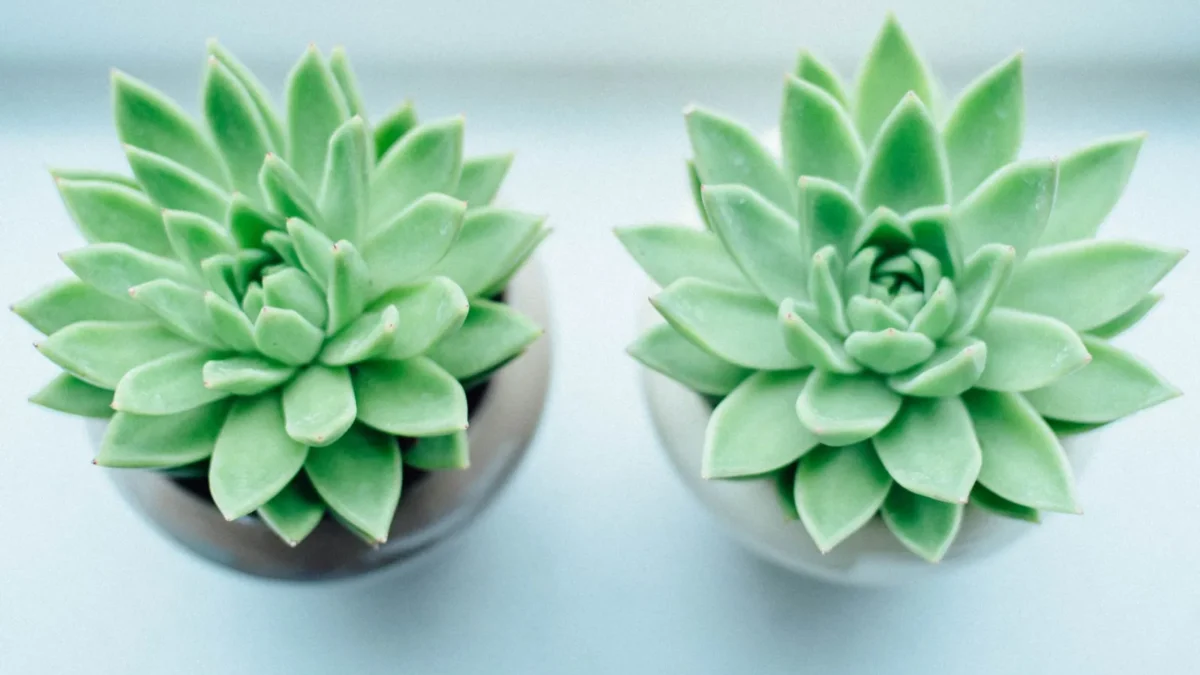
Quick answer: Here’s how: You can propagate echeveria easily using two methods—leaf cuttings and stem cuttings. Both produce new plants reliably within a few weeks to months, making this an ideal project for beginners.
| Botanical name | Echeveria |
|---|---|
| Light | Bright indirect light; at least 4-6 hours daily; south or east-facing window |
| Watering | Water when soil approaches dryness; every 10-14 days summer, 28-35 days winter; never leave sitting in water |
| Humidity | 30-50%; avoid humid areas like bathrooms; humidity above 60% not ideal |
| Temperature | 65-80°F spring and summer, slightly cooler in winter; avoid below 45°F |
| Soil | Peat-free cactus compost or 1 part potting soil, 1 part perlite, 1 part coarse sand; well-draining |
| Feeding | Dilute, low-nitrogen fertilizer fortnightly during late spring and summer; not required |
| Size | 2-6 inches across in rosette form on short stems |
| Difficulty | easy |
| Cats | ✓ non-toxic |
| Dogs | ✓ non-toxic |
Leaf Propagation from Echeveria
Propagation via leaf cuttings is probably the easiest and most popular method. Echeverias have fleshy leaves that detach very easily and grow into new plants with minimal effort.
- Choose plump, vibrant leaves and carefully detach them from the mother plant by gently twisting and pulling from the base.
- Let the leaves callus over for 5–6 days by placing them in a cool, shaded spot. This protective layer prevents rotting when you begin propagation.
- Place each calloused leaf on top of a well-draining cactus or succulent soil mix in a pot or tray.
- Water sparingly until roots develop—this can take 2–6 weeks.
- Leaf cuttings will reliably develop into new plantlets as quickly as a few weeks.
Stem Cuttings and Water Propagation
Stem cuttings give you a faster-growing rosette and work equally well indoors. Cut a stem that is at least 2–3 inches long with a group of leaves at the top, then remove the bottom leaves to reveal the stem end.
Allow the cutting to dry out for a few days so that the cut end scabs over; place it in a spot away from direct sunlight and warm. Once calloused, you can either stick the cutting directly into a well-draining soil mix or suspend it over a glass of water. If rooting in soil, bury the bottom 1–2 inches of the cutting.
In 2–4 weeks, you should start seeing roots emerging. If using water, refresh it weekly.
Common Mistakes When Propagating Echeveria
Overwatering is the most common problem during propagation. Unlike established plants that tolerate brief dry spells, young cuttings and leaf rosettes are vulnerable to rot if kept too wet. Let the soil dry completely between waterings. Never leave propagating material sitting in water; water accumulated in the base causes rot quickly indoors.
Insufficient light will cause weak, spindly growth. Place your propagating tray or pot near a south or east-facing window where it receives at least 4–6 hours of bright indirect light daily., Avoid placing propagating trays in humid areas like bathrooms; humidity above 60% encourages fungal problems.
FAQ
How long until propagated echeveria are ready to pot up?
Leaf cuttings produce new plantlets within a few weeks, while stem cuttings develop roots in 2–4 weeks. Once roots are well developed and new growth appears, pot them into individual containers with well-draining cactus compost.
Can I propagate echeveria in water?
Yes. After callousing, suspend your stem cutting over a glass of water and refresh it weekly. Water rooting works, though soil rooting is more reliable for echeveria because it mimics the dry conditions of their native habitat.
Do I need to fertilize new propagations?
No. Young plants do not require fertilizer; they thrive in nutrient-poor soil as they would in nature. Wait until the rosette is established before applying a dilute, low-nitrogen fertilizer fortnightly during late spring and summer.
Read the full guide: Echeveria Care: The Complete Guide
More about Echeveria
The same problem in other plants
- How to Propagate Cast Iron Plants: Step-by-Step Guide
- How to Propagate Polka Dot Plant from Cuttings
- How to Propagate Lucky Bamboo From Cuttings and Stems
- How to Propagate Haworthia: Step-by-Step