Echeveria Echeveria
Is Echeveria Toxic to Cats and Dogs?
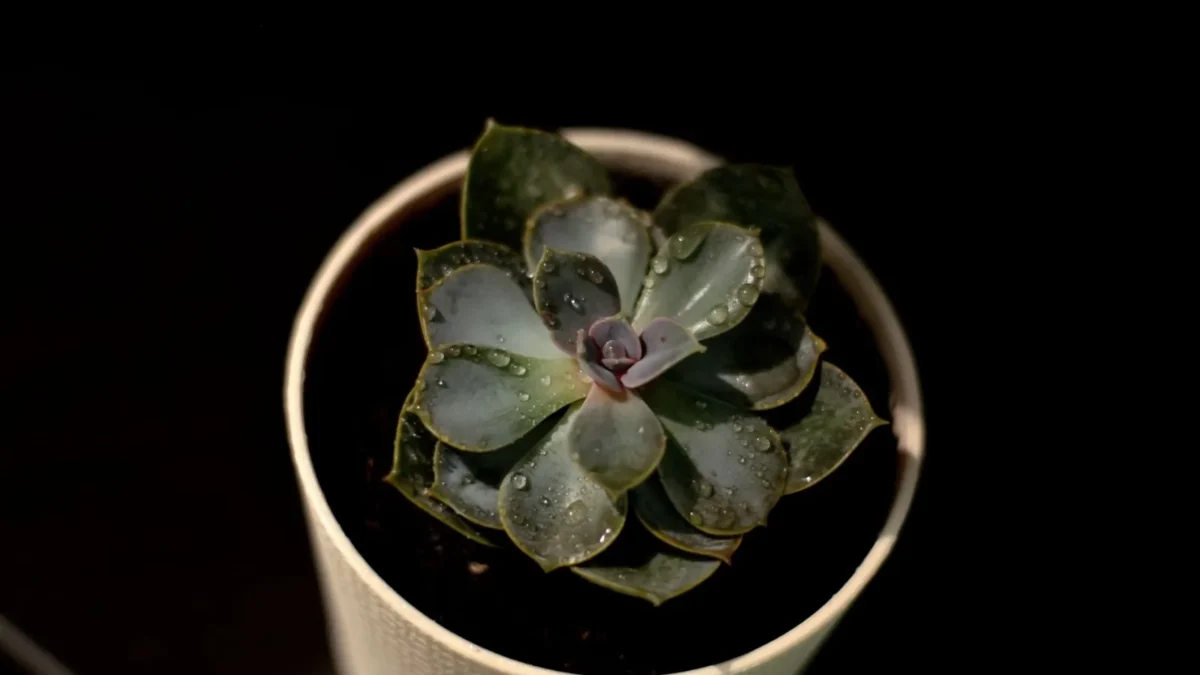
Quick answer: Echeveria is non-toxic to cats and non-toxic to dogs. The plant contains no cardiotoxins, saponins, or insoluble oxalates, making it completely safe if your pet chews or ingests it.
| Botanical name | Echeveria |
|---|---|
| Light | Bright indirect light; at least 4-6 hours daily; south or east-facing window |
| Watering | Water when soil approaches dryness; every 10-14 days summer, 28-35 days winter; never leave sitting in water |
| Humidity | 30-50%; avoid humid areas like bathrooms; humidity above 60% not ideal |
| Temperature | 65-80°F spring and summer, slightly cooler in winter; avoid below 45°F |
| Soil | Peat-free cactus compost or 1 part potting soil, 1 part perlite, 1 part coarse sand; well-draining |
| Feeding | Dilute, low-nitrogen fertilizer fortnightly during late spring and summer; not required |
| Size | 2-6 inches across in rosette form on short stems |
| Difficulty | easy |
| Cats | ✓ non-toxic |
| Dogs | ✓ non-toxic |
Is echeveria toxic to cats?
Echeveria is safe for cats. Unlike lilies, oleander, or dieffenbachia, this compact succulent poses no poisoning risk to feline companions. If your cat nibbles the leaves or stems out of curiosity, there’s no need to panic—no harmful compounds will affect them.
Is echeveria toxic to dogs?
Echeveria is also non-toxic to dogs. You can safely place this plant where your dog can reach it without worrying about accidental ingestion causing harm. The absence of cardiotoxins, saponins, and insoluble oxalates means your dog won’t experience poisoning from chewing the leaves.
Safe placement around pets
While echeveria won’t poison your cats or dogs, you may still want to keep it out of reach for other reasons. Some pets enjoy knocking over small potted plants, and the soil or pot could create a mess. Additionally, repeatedly chewed leaves will damage the appearance of your echeveria, which grows in a rosette 2–6 inches across.
Place your echeveria where it receives bright, indirect light for 4–6 hours daily, ideally near a south or east-facing window. This positioning often keeps it naturally away from areas where pets spend most of their time, while still giving the plant the light it thrives on.
FAQ
Is echeveria toxic to humans?
The plant is safe for humans as well. There are no documented harmful effects from handling or accidental ingestion.
What should I do if my pet ingests echeveria?
No action is needed. Since echeveria is non-toxic to both cats and dogs, ingestion won’t cause poisoning. If your pet shows any unusual symptoms unrelated to the plant (vomiting, lethargy, or diarrhea from other causes), contact your veterinarian.
Read the full guide: Echeveria Care: The Complete Guide
More about Echeveria
The same problem in other plants
- Is Polka Dot Plant Toxic to Cats and Dogs?
- Is Cast Iron Plant Toxic to Cats and Dogs?
- Is Lucky Bamboo Toxic to Cats, Dogs, and Other Pets?
- Is Haworthia Toxic to Cats, Dogs, and Other Pets?
Sources
- How to Grow Echeveria: Care, Planting, & Types
- Echeveria – Care Tips for Growing Succulents Indoors
- Toxic and Non-toxic Plants: Variegated Wax Plant
Photo: Snow White / Pexels, Pexels